
A Muslim-majority booth in West Bengal's Rajarhat New Town delivered 637 votes to the BJP, while the TMC got five and the CPI(M)-ISF alliance just one. The stark contrast with a neighbouring booth and an extra counting round have fuelled questions over the result.
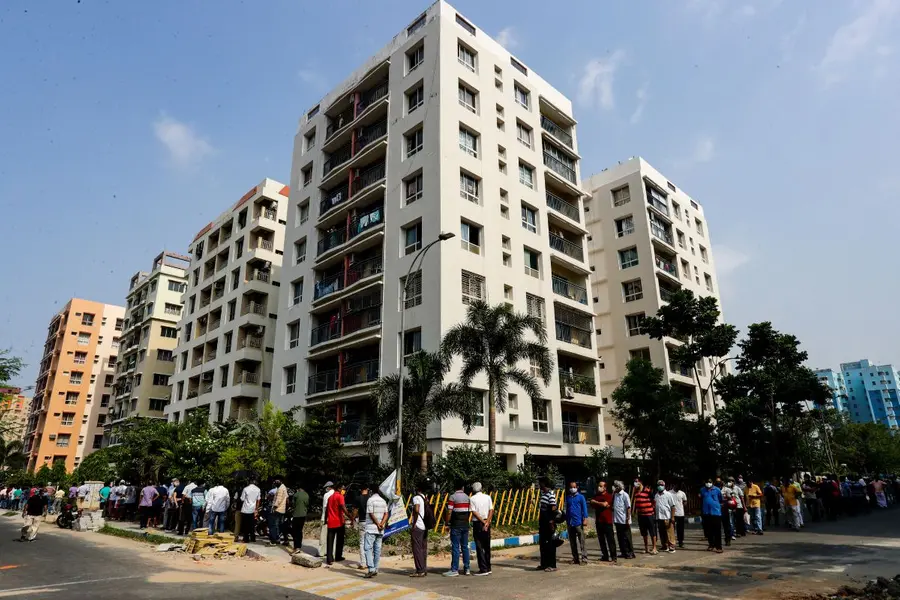
A single polling booth in West Bengal’s Rajarhat New Town constituency has become the centre of a growing political controversy after its voting pattern diverged sharply from neighbouring booths and the demographic profile of the area.
According to the official result, BJP candidate Piyush Kanodia secured 637 of the 656 votes polled at Booth 164.
In comparison, TMC candidate Tapash Chatterjee received just five votes, while CPI(M)-ISF alliance candidate Saptarshi Deb managed only one vote.
The outcome has triggered disbelief among residents, opposition leaders and political workers, many of whom have described the result as difficult to explain. Booth 164 is located in a predominantly Muslim neighbourhood where nearly 88 per cent of registered voters belong to the Muslim community. Yet BJP accounted for nearly 97 per cent of the votes cast at the booth.
What has intensified the debate is the contrast with neighbouring Booth 165, which serves voters from the same locality and, in several cases, even members of the same families.
There, the voting pattern was almost the reverse. Deb received 299 votes, Chatterjee secured 290, while Kanodia managed only 32 votes.
The extraordinary gap between two adjacent booths has prompted questions from locals, who argue that the numbers do not reflect the political mood of the area.
Several residents have said the result is hard to reconcile with both the constituency’s social composition and its traditional voting behaviour.
The controversy is further linked to the counting process in the New Town Assembly seat. While candidates had expected 17 rounds of counting based on the number of electronic voting machines used in the constituency, the final tally was completed after 18 rounds.
The result for the seat was declared on May 5, a day after results were announced across the rest of West Bengal, adding another layer of scrutiny to an already contentious outcome.
Published: 13 Jun 2026, 03:59 pm IST
Related Topics
Disclaimer: Kindly avoid objectionable, derogatory, unlawful and lewd comments, while responding to reports. Such comments are punishable under cyber laws. Please keep away from personal attacks. The opinions expressed here are the personal opinions of readers and not that of Mathrubhumi.
