

With this unprecedented uptick in cases this year due to the JN.1 variant, Kerala continues to report the most active cases (1,487), followed by Delhi (562) and Maharashtra (526).
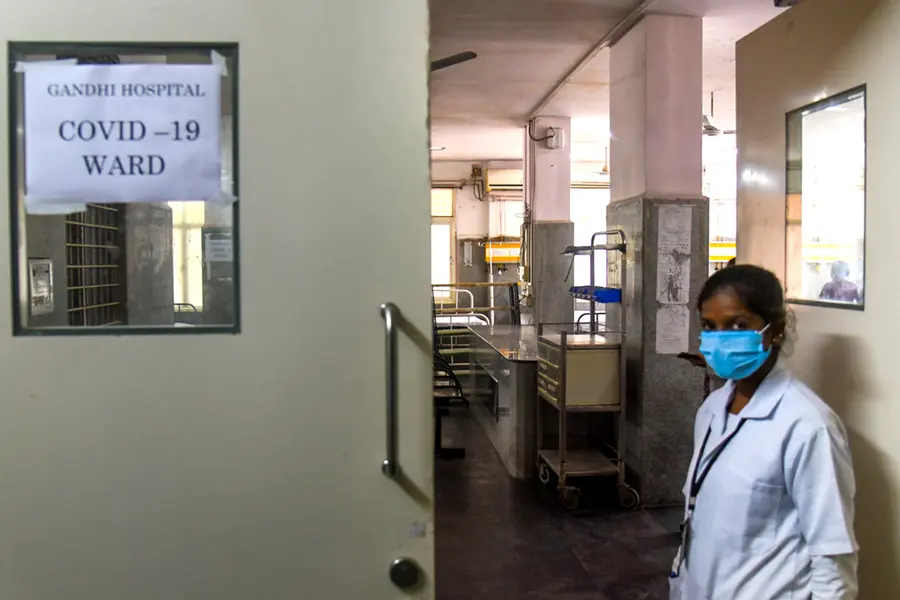
Kozhikode: According to the Ministry of Health and Family Welfare's most recent data, which was made public on Friday morning, India now has 5,364 active COVID-19 cases, with 498 new cases reported in the last 24 hours. At least four deaths were reported in the same period.
Two of the four people who died were from Kerala, and one each was reported from Punjab and Karnataka. All four of the fatalities were senior people with pre-existing illnesses like pneumonia, diabetes, and high blood pressure.
With almost 5,000 ongoing infections, India is witnessing a new surge in COVID-19 cases. New variants such as LF.7, XFG, JN.1, and the recently discovered NB.1.8.1 subvariant are to blame for this comeback.
With this unprecedented uptick in cases, especially due to the JN.1 variant, a new strain of the Omicron variant carrying an additional mutation in its spike protein, doctors and diagnostic experts are warning people not to delay testing if symptoms appear as timely testing can help detect the virus early, prevent its spread, and reduce the risk of complications.
Symptoms: The JN1 Covid variant, known for its high transmissibility, may present mild or unusual symptoms such as sore throat, runny nose, fatigue, body aches, or mild fever. However, ignoring these signs or delaying testing may lead to further spread within families, workplaces, and communities.
Common signs: According to experts, the new COVID-19 variants have symptoms similar to Omicron and are usually mild. Common signs include sore throat, tiredness, cold, cough, and fever. The earlier symptom of losing taste and smell is not seen much now. In the JN.1 variant, some people also get mild but ongoing fever, low appetite, loose motions, or stomach upset. These signs should not be ignored as just tiredness. Getting tested and isolating at the right time can help stop the virus from spreading.
Dr. Rajesh Bendre, National Technical Head and Chief Pathologist at GlobalPathologist Laboratory, Apollo Diagnostic, said that it is unwise for people to take the symptoms casually and not get tested. Common flu symptoms and those of COVID-19, particularly the JN1 COVID variant, are mostly similar, thus confusing people. "One must value the benefits of earlier testing. Otherwise, it will be too late to isolate and save the patient," the doctor added.
Speaking about spike protein mutations, Dr Urvi Maheshwari, Internal Medicine Expert, Zynova Shalby Hospital, Mumbai, said that the JN.1 variant is a subvariant of Omicron BA.2.86, and is rapidly spreading in Asia. “The cases of this variant are spiking in India. It carries additional spike protein mutations, which may enhance its ability to evade immunity from previous infections or vaccines. Unlike earlier Omicron subvariants, JN.1 shows increased transmissibility but does not currently appear to cause more severe illness. People are advised to remain calm and composed and adhere to the COVID protocol of masking, hand sanitizing, and social distancing,” the doctor said.
Prevention is better than cure: Dr Maheshwari advised people to sanitize their hands, maintain a safe distance from sick people, avoid crowded places, disinfect frequently touched surfaces, practice good personal hygiene and cough etiquette, use a handkerchief or a tissue while sneezing, and discard it properly after usage. “Take vaccination and booster, wear a mask while traveling locally, nationally, or even internationally, and ensure there is proper ventilation at home,” she added.
How to protect children? Doctors say that just like adults and senior citizens, children are also at a greater risk of COVID-19 infection. Hence, it is the need of the hour to take utmost care of children. Dr. Bobby Sadawarti, Consultant Pediatrician, Neonatologist, Allergy specialist, and Lactation Consultant, AIMS Hospital, Dombivli, said that parents should take extra precautions to protect their children, especially those too young to be vaccinated. He suggested a few simple and effective tips to keep children safe. Have a look:
- Encourage regular handwashing for 20–30 seconds.
- Ensuring children wear well-fitting masks in crowded indoor spaces.
- Avoiding unnecessary outings can go a long way in protecting them.
- Maintaining good immunity through a healthy diet, sufficient sleep, and physical activity is of utmost importance.
- Parents should serve meals rich in fruits, vegetables, and fluids, while cutting down on junk and processed food.
- Keeping children’s routine vaccinations up to date, including flu and COVID-19 vaccines, if eligible, is a must.
- Monitor for symptoms such as cough, fever, cold, or fatigue, and consult a doctor promptly if they appear.
- Clean the home environment regularly, especially toys, tables, and doorknobs, and talk to children about safety measures without scaring them.
Dr Sadawarti said that by following these aforementioned steps, parents can significantly reduce the risk of infection and help keep their children healthy and safe.
Published: 06 Jun 2025, 03:41 pm IST
ABOUT THE AUTHOR
Related Topics
Disclaimer: Kindly avoid objectionable, derogatory, unlawful and lewd comments, while responding to reports. Such comments are punishable under cyber laws. Please keep away from personal attacks. The opinions expressed here are the personal opinions of readers and not that of Mathrubhumi.