
Delhi recorded a minimum temperature of 3.8°C today as cold wave conditions persisted while air quality remained ‘very poor’.
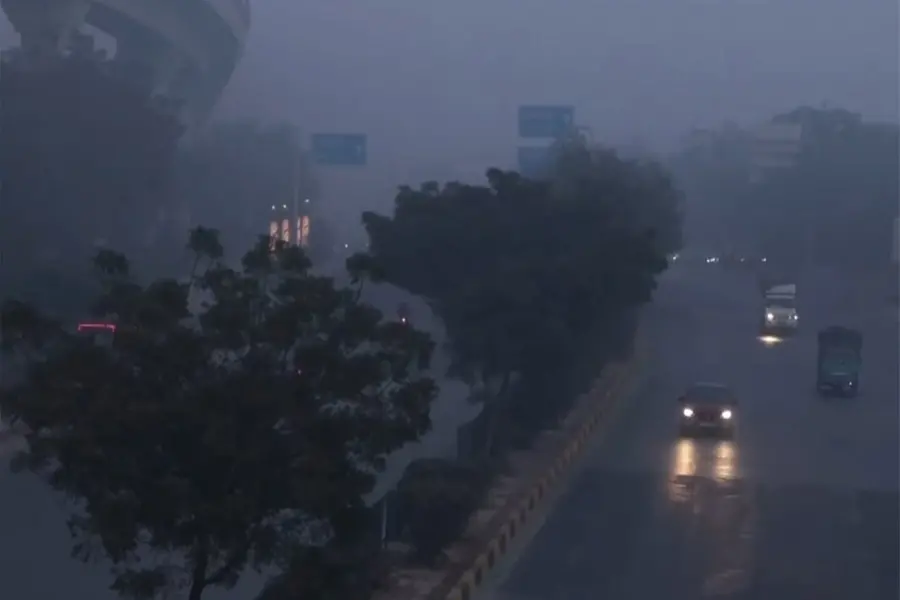
New Delhi: Delhi recorded a slight rise in minimum temperature on Wednesday, settling at 3.8°C, even as cold wave conditions continued to grip the national capital, according to the India Meteorological Department (IMD). Despite the marginal relief from the cold, Delhi's air quality remained a major concern. The city’s overall Air Quality Index (AQI) stood at 360, placing it in the ‘very poor’ category.
Several air quality monitoring stations reported AQI levels above 300, signalling serious health risks. Some locations slipped into the ‘severe’ category with readings crossing 400. As per Central Pollution Control Board (CPCB) data, Anand Vihar registered an AQI of 366, Bawana 361, Punjabi Bagh 366, Wazirpur 386, and Chandni Chowk 397. Jahangirpuri reported alarming levels with an AQI of 420, while RK Puram and Dwarka Sector 8 recorded 407 and 403, respectively.
AQI between 301 and 400 is classified as ‘very poor’, while 401 to 500 is ‘severe’. Prolonged exposure can affect respiratory and heart health, especially among children, senior citizens, and patients with existing conditions. Experts warn residents to limit outdoor activities during peak pollution hours.
The IMD has forecast that the cold wave in Delhi will persist over the next two to three days. The city may continue to witness shallow to moderate morning fog. Minimum temperatures are expected to stay between 3°C and 5°C, while maximum temperatures may remain near normal at 19°C to 21°C.
Fog conditions have also impacted flight operations at Hindon Airport, where authorities have issued a travel advisory. Passengers have been urged to check flight status before travelling, as visibility-related delays are possible.
Delhi has been experiencing harsh winter conditions over the past few days, with the minimum temperature dropping to 3°C on Tuesday, marking the coldest morning of the season. However, the IMD predicts a gradual rise in minimum temperatures by 3°C to 5°C over the next five days.
Health advisories remain in place. The IMD has warned of increased chances of flu, cold-related illnesses, runny nose, and nosebleeds due to prolonged exposure to cold. Residents have been advised to take precautions against both cold weather and Delhi's pollution levels.
IANS
Published: 14 Jan 2026, 10:29 am IST
Related Topics
Disclaimer: Kindly avoid objectionable, derogatory, unlawful and lewd comments, while responding to reports. Such comments are punishable under cyber laws. Please keep away from personal attacks. The opinions expressed here are the personal opinions of readers and not that of Mathrubhumi.
