
Delhi's electoral-roll revision faces fresh scrutiny as a PIL questions the disclosure of notices issued to 33 lakh voters, while the Supreme Court is set to hear a plea challenging SIR-related exclusions.
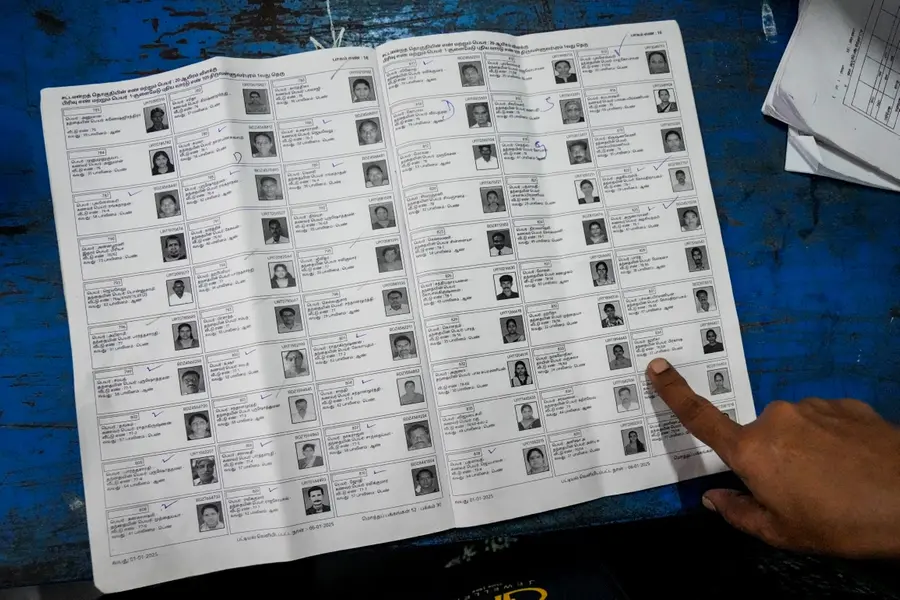
New Delhi: The Special Intensive Revision (SIR) of Delhi's electoral rolls has come under fresh legal scrutiny, with a PIL alleging that the Election Commission of India has not disclosed the names and reasons of around 33 lakh voters who were issued notices.
Separately, the Supreme Court is scheduled to hear a plea challenging the deletion of names from the electoral roll under the SIR exercise.
Also Read

Delhi SIR faces legal scrutiny
The latest developments come after the publication of Delhi's draft electoral roll following the SIR exercise. Around 47.7 lakh names were left out of the draft roll, according to data reported from the Delhi Chief Electoral Officer's office. The claims and objections process began on August 31 and is scheduled to continue until September 30.
The Election Commission's SIR process is intended to verify electoral records and identify entries involving voters who may have died, permanently shifted, been enrolled elsewhere or otherwise could not be verified. The scale of the exclusions has, however, led to legal and political scrutiny.
A PIL has now alleged that the names and reasons relating to notices issued to about 33 lakh electors have not been disclosed. The allegation forms part of the wider legal challenge to the manner in which voters have been identified for exclusion or verification.
Supreme Court to hear challenge
The Supreme Court is scheduled to hear on Monday a plea challenging the deletion of names from Delhi's electoral roll under the SIR exercise. The court's consideration will provide a judicial forum for arguments concerning the procedure followed during the revision and the safeguards available to voters whose names are not included in the draft roll.
The Supreme Court's official website lists current case and hearing information, including its listing notices.
The legal challenge does not, by itself, establish that all excluded voters were wrongly removed. The status of individual entries can depend on the verification process, supporting documents, claims and objections, and decisions taken by the electoral authorities.
What the Delhi SIR data shows
An audit by the Sabar Institute and Voter Adhikar Manch examined data published by the Election Commission and the Delhi Chief Electoral Officer. It found that 47,27,762 electors had been classified as absent, shifted, dead or duplicate during the SIR process. That figure represented about 32.8 per cent of the electoral roll at the start of the exercise, according to the audit.
The audit recorded 31,59,223 electors as permanently shifted, 11,73,552 as untraceable or absent, 2,82,412 as dead and 1,41,535 as enrolled elsewhere or duplicate voters. These figures describe the classifications recorded in the electoral data examined by the audit and do not mean that every voter in these categories has been permanently removed from the final electoral roll.
The study also compared the number of excluded electors with the winning margins in the 2025 Delhi Assembly election. According to the report, the number exceeded the winning margin in 68 of the Capital's 70 constituencies.
Deletions before the SIR
The audit also drew attention to changes in Delhi's electoral roll before the formal SIR exercise began.
According to the study, Delhi had 1,56,14,000 electors on January 31, 2025, when the Assembly election was held. By June 30, 2026, the number had fallen to 1,45,10,299. The audit said 11,03,701 electors had been deleted during this period, before the SIR began.
The report said deletions rose sharply during the months immediately preceding the SIR, with 3,39,509 names removed in April 2026.
These figures have become part of the wider debate over how electoral rolls should be revised, particularly regarding verification, notice, claims and objections.
Some constituencies recorded higher exclusion rates
The audit found considerable differences between constituencies. It reported exclusion rates of more than 40 per cent in more than 10 constituencies.
Tughlakabad recorded the highest rate in the study at 47.83 per cent, followed by Okhla at 45.16 per cent and R K Puram at 44.36 per cent.
The Sabar Institute's report also examined variations according to gender, age and recorded reasons for non-collection of enumeration forms. It described the figures as an analysis of 4,756,722 uncollectable enumeration forms across Delhi's 14,947 polling parts.
Claims of wrongful exclusion
Civil-society groups and activists have raised concerns that some eligible voters may have been incorrectly classified during the exercise.
A house-to-house verification exercise cited in the audit was conducted in Block Y of Mangol Puri. Volunteers visited 1,448 of 1,516 houses and reported finding more than 450 electors who were present at their addresses but had been classified under the ASDD categories.
The audit also reported that more than 500 electors who were present at their addresses had been left out of both the draft electoral roll and the ASDD list. These findings come from the civil-society audit and are not a judicial determination that the Election Commission's classifications were incorrect.
The groups involved have called for restoration of voters who were wrongly classified and have sought greater disclosure of constituency-level and booth-level data.
What voters can do during the claims period
The SIR process includes a claims and objections period through September 30. According to information reported from the Delhi Chief Electoral Officer, voters can use Form 6 to seek inclusion, Form 7 for objections concerning names and Form 8 for changes such as an updated address. More than 2.18 lakh Form 6 applications had been submitted by September 1, according to official data reported by The New Indian Express.
The Election Commission also provides online services for searching electoral-roll entries, tracking applications and updating voter information.
For voters whose names are missing from the draft roll, the claims process is therefore an important stage before the final electoral roll is published.
Why the issue matters
Electoral rolls determine who can exercise the right to vote in an election. A revision can remove entries that are no longer valid, such as those belonging to deceased persons or people who have permanently shifted, while also adding eligible voters and correcting existing records.
The central issue in the current Delhi controversy is therefore not simply the number of entries identified during the SIR. It also concerns how those classifications are verified, whether eligible voters receive adequate notice and an opportunity to respond, and how disputed cases are resolved before the final roll is published.
The Election Commission's process and the legal challenges are now developing simultaneously. The Supreme Court's consideration of the matter could provide further clarity on the legal and procedural questions raised by petitioners.
Published: 17 Sept 2026, 11:34 am IST
ABOUT THE AUTHOR
Related Topics
Disclaimer: Kindly avoid objectionable, derogatory, unlawful and lewd comments, while responding to reports. Such comments are punishable under cyber laws. Please keep away from personal attacks. The opinions expressed here are the personal opinions of readers and not that of Mathrubhumi.