
Truck, taxi and auto-rickshaw drivers across Delhi-NCR began a three-day strike on Thursday, demanding fare revisions and relief from rising fuel and operational costs.
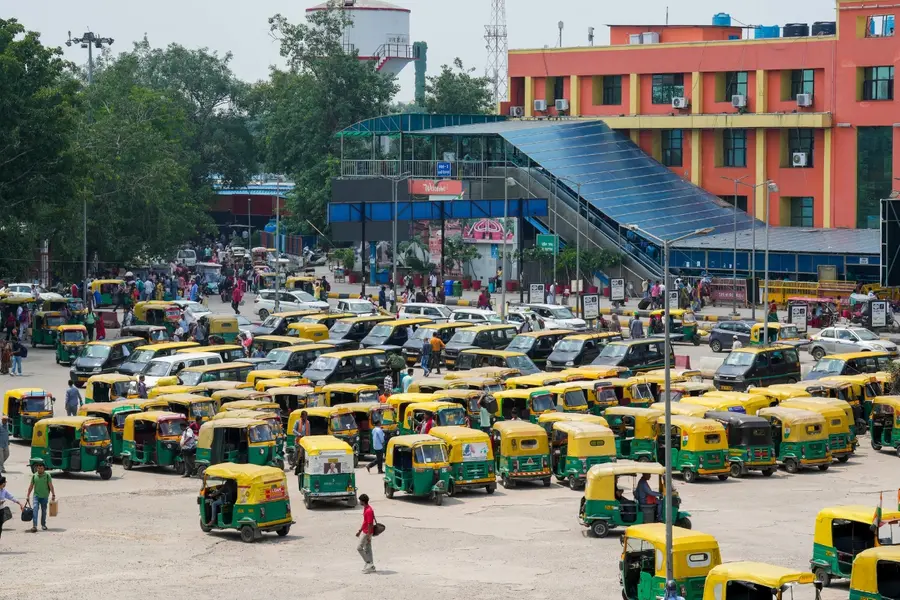
New Delhi: Transport services across Delhi-NCR witnessed disruptions on Thursday as truck, taxi and auto-rickshaw drivers launched a three-day strike demanding higher fares and relief from rising operational expenses.
The protest, organised under the banners of the All India Motor Transport Congress (AIMTC) and the United Front of All Transport Associations (UFTA), is scheduled to continue until May 23 and involves participation from more than 68 transport unions.
Also Read

Drivers taking part in the agitation said stagnant fares and continuously rising fuel prices have severely affected their income and ability to manage household expenses.
Drivers say rising fuel prices have made survival difficult
Many drivers participating in the strike said they work long hours but are struggling financially because fares have not increased in years despite repeated hikes in diesel, petrol and CNG prices.
One truck driver said transport workers have been seeking a fare revision for several years.
“Our fares have not been increased for a long time, which means our wages have also remained stagnant. At the same time, diesel, petrol, and CNG prices have continued to rise, and even the prices of food essentials have increased. We have gone on strike to demand higher fares and better wages,” he said.
Cab drivers also described worsening financial conditions, saying daily earnings are no longer enough to cover rising living costs.
“We work throughout the night but are unable to save even Rs 500. From that amount, we have to manage household expenses such as cooking oil, vegetables, and other essentials,” one driver said.
Another cab operator said fuel price hikes had made operations increasingly unsustainable.
“Our accounts are almost empty now. Fuel prices have increased, but if we raise fares, customers face problems. We are completely dependent on this work for survival,” he told IANS.
Airport taxi operations affected
The impact of the strike was visible at Delhi’s Indira Gandhi International Airport, where fewer taxis were operating compared to a normal day.
However, commuters did not face major disruption during the initial hours because app-based cab services continued operating in several areas.
Drivers at the airport said the full effect of the strike could become more visible later in the day if participation increases further.
A taxi driver at the airport said:
“Diesel, petrol, and CNG prices have increased significantly. Passengers are unwilling to pay higher fares, making it difficult for us to operate vehicles.”
What transport unions are demanding
The transport unions have submitted a list of demands to Delhi Lieutenant Governor Taranjit Singh Sandhu and Chief Minister Rekha Gupta.
Their demands include:
- Revision of taxi and auto fares
- Rollback of Enhanced Congestion Charges (ECC)
- Reconsideration of restrictions imposed on commercial vehicles
- Relief from rising operational costs
According to the unions, taxi fares in Delhi-NCR have remained largely unchanged for nearly 15 years despite inflation and sharp increases in fuel prices.
Unions warn of bigger agitation
Transport unions have warned that if the Delhi government does not announce fare revisions within the next two weeks, the protest could intensify further.
Leaders said the current “chakka jam” is meant to draw attention to the financial struggles faced by transport workers, many of whom say they are finding it increasingly difficult to continue operations under existing fare structures.
The strike is expected to continue affecting parts of Delhi-NCR transport services until May 23.
(With IANS inputs)
Published: 21 May 2026, 11:21 am IST
Related Topics
Disclaimer: Kindly avoid objectionable, derogatory, unlawful and lewd comments, while responding to reports. Such comments are punishable under cyber laws. Please keep away from personal attacks. The opinions expressed here are the personal opinions of readers and not that of Mathrubhumi.