
The move will save cancer patients and their families approximately ₹2,500 crore annually.
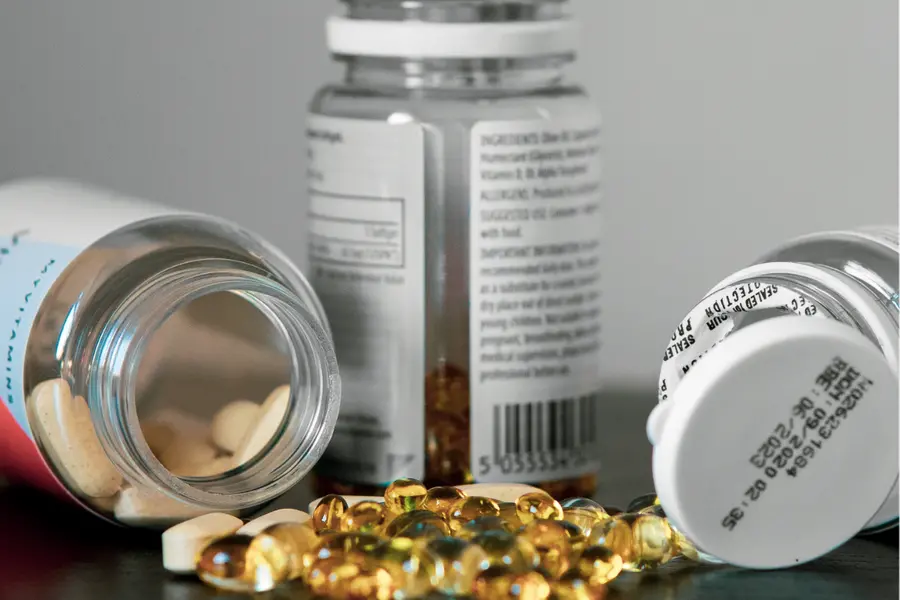
New Delhi: In a major policy intervention aimed at easing the burden of healthcare costs, the Central Government has approved a ceiling on the trade margins charged in the supply and sale of non-scheduled anti-cancer drugs. According to a press statement issued by the Department of Pharmaceuticals under the Ministry of Chemicals and Fertilizers, trade margins across the supply chain will be strictly limited to 30 per cent of the Maximum Retail Price (MRP). The regulatory decision is projected to reduce overall retail prices for critical oncology treatments by up to 70 per cent, directly lowering out-of-pocket expenditure for patients across India.
Curbing Excessive Mark-Ups in Healthcare
The initiative addresses steep mark-ups previously added as medications moved through distributors, wholesalers, and retail pharmacies. According to market data compiled by the National Pharmaceutical Pricing Authority (NPPA), non-scheduled anti-cancer drugs carried an average price mark-up of approximately 170 per cent, with extreme cases exceeding 700 per cent. While essential medicines on the scheduled list are already subject to fixed ceiling prices, this policy extends price protection to non-scheduled formulations. Reports from the Press Information Bureau confirm that an expert committee under the Directorate General of Health Services (DGHS) will finalise the list of covered drugs prior to formal notification by the NPPA, encompassing branded, generic, domestic, imported, patented, and non-patented products.
Projected Financial Relief and Supply Safeguards
Official projections indicate that the trade-margin rationalisation will deliver annual savings of approximately Rs 2,500 crore for cancer patients and their families. The decision expands upon an earlier intervention launched in February 2019, when the NPPA capped trade margins on 42 non-scheduled anti-cancer drugs under Paragraph 19 of the Drugs (Prices Control) Order, 2013. Official data shows that the 2019 intervention reduced MRPs by up to 91 per cent and generated annual savings of Rs 984 crore across 526 drug brands. To prevent market disruptions or artificial shortages following the price reductions, the Department of Pharmaceuticals has directed pharmaceutical manufacturers to maintain current production levels to guarantee continuous availability across all medical sectors.
ANI
Published: 09 Oct 2026, 11:24 am IST
ABOUT THE AUTHOR

Related Topics
Disclaimer: Kindly avoid objectionable, derogatory, unlawful and lewd comments, while responding to reports. Such comments are punishable under cyber laws. Please keep away from personal attacks. The opinions expressed here are the personal opinions of readers and not that of Mathrubhumi.