
Cabinet approves Rs 18,509 crore railway multi-tracking on Kasara–Manmad, Delhi–Ambala and Ballari–Hosapete routes, boosting capacity, decongestion and travel.
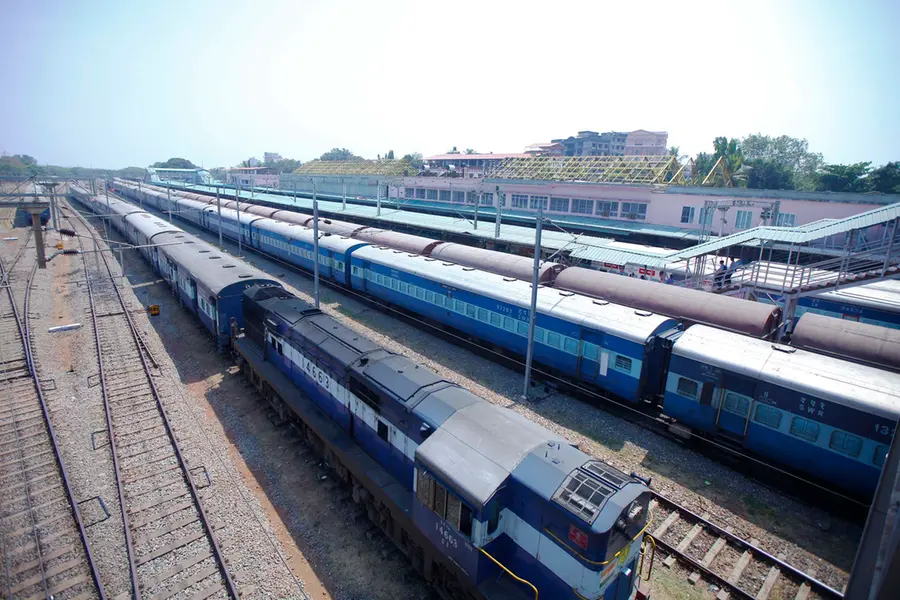
New Delhi: The Union Cabinet has approved three major multi-tracking railway projects spanning 12 districts across Delhi, Haryana, Maharashtra, and Karnataka, with a total investment of Rs 18,509 crore.
The projects will add nearly 389 km to the existing rail network, significantly expanding capacity on some of the country’s busiest routes.
Also Read

The initiatives have been planned under the PM Gati Shakti National Master Plan, aimed at improving multimodal connectivity, reducing logistics bottlenecks, and enhancing operational efficiency through integrated planning.
According to the Cabinet Committee on Economic Affairs (CCEA), chaired by Prime Minister Narendra Modi, the approved projects include the Kasara–Manmad 3rd and 4th line, Delhi–Ambala 3rd and 4th line, and Ballari–Hosapete 3rd and 4th line.
The government said these projects will strengthen mobility for both passenger and freight services, helping decongest heavily used corridors. Improved line capacity is expected to boost service reliability, reduce delays, and enable faster movement of goods.
The expansion is projected to enhance rail connectivity for approximately 3,902 villages, benefiting an estimated population of around 97 lakh. Officials noted that better connectivity is likely to generate new employment and self-employment opportunities in the regions covered.
“These projects align with the vision of a New India and will contribute to regional development while empowering local communities,” the CCEA said in a statement.
Beyond easing congestion, the projects are also expected to improve access to key tourist destinations, including Bhavli Dam, Shri Ghatandevi, Trimbakeshwar Jyotirlinga, Shri Mata Vaishno Devi Katra/Srinagar, and Hampi, a UNESCO World Heritage Site.
Other attractions such as Ballari Fort, Daroji Sloth Bear Sanctuary, Tungabhadra Dam and Vijaya Vittala Temple are also set to benefit.
The government highlighted that these routes are crucial for transporting commodities like coal, steel, iron ore, cement, limestone, bauxite, containers, foodgrains, sugar, fertilisers and petroleum products.
With the additional tracks, Indian Railways is expected to handle an incremental freight capacity of 96 MTPA (million tonnes per annum), providing a significant push to industrial supply chains and logistics efficiency.
Published: 14 Feb 2026, 02:11 pm IST
Related Topics
Disclaimer: Kindly avoid objectionable, derogatory, unlawful and lewd comments, while responding to reports. Such comments are punishable under cyber laws. Please keep away from personal attacks. The opinions expressed here are the personal opinions of readers and not that of Mathrubhumi.