
Concerns exist about illegal migration, with estimates of millions of undocumented immigrants potentially impacting electoral data
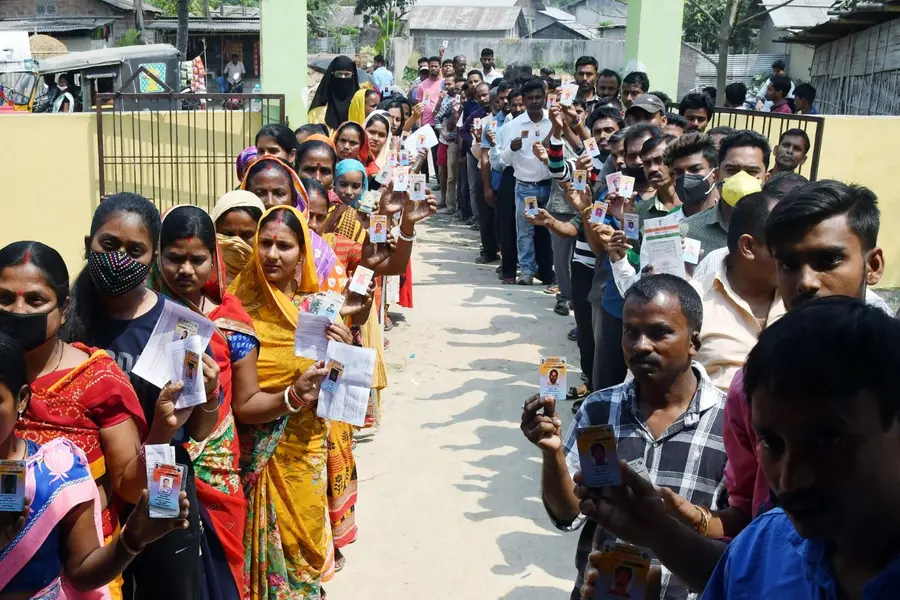
New Delhi: The Special Intensive Revision (SIR) exercise conducted in Bihar has uncovered a significant discrepancy in the electoral rolls, revealing approximately 35 lakh electors who are either untraced or have permanently migrated from their registered addresses. This finding has ignited serious concerns about the integrity of India's voter lists, particularly as the Election Commission of India (ECI) prepares to roll out a nationwide SIR.
The sheer scale of untraceable voters in Bihar raises questions about what a similar national exercise might reveal across the country's vast electoral landscape. Political parties across the spectrum have consistently voiced concerns regarding the purity of electoral rolls, especially in the context of recent assembly elections. Analysts, too, have questioned the integrity of the country's electoral process, citing worries about the inclusion of ineligible individuals.
Adding another layer of complexity is the issue of illegal migration. According to government data from 2017, an estimated 2.04 crore Bangladeshi nationals and Rohingyas are believed to be residing illegally in India, further complicating efforts to maintain accurate electoral data. As of January 1, 2024, India recorded 96.88 crore registered voters for the General Elections, underscoring the substantial implications of any nationwide revision. The difficulty in tracing such a large segment of registered electors despite extensive machinery points to potential systemic issues in voter registration maintenance.
The ECI, in a June 24 order, announced its decision to extend the Special Intensive Revision nationwide, affirming its "constitutional mandate to protect the integrity of electoral rolls." The schedule for the nationwide SIR implementation is expected to be announced soon. Under the existing framework, electors and political parties will have a window from August 1 to September 1 to submit forms for eligible electors who may have been omitted or to file objections against incorrect entries.
The Ministry of Home Affairs had estimated in 2016 that around 20 million illegal Bangladeshi migrants and over 40,000 Rohingya immigrants are in India, primarily concentrated in states like Jammu and Kashmir, Telangana, Punjab, Haryana, Uttar Pradesh, Delhi, and Rajasthan. While detection and deportation remain an ongoing process, the clandestine nature of their entry makes accurate data collection challenging. The potential impact of this large-scale illegal migration on electoral integrity continues to be a matter of substantial national concern.
With inputs from ANI
Published: 27 Jul 2025, 03:29 pm IST
Disclaimer: Kindly avoid objectionable, derogatory, unlawful and lewd comments, while responding to reports. Such comments are punishable under cyber laws. Please keep away from personal attacks. The opinions expressed here are the personal opinions of readers and not that of Mathrubhumi.
