
The ICT found the 78-year-old Hasina, currently living in exile in Delhi since her removal from office on 5 August last year, guilty
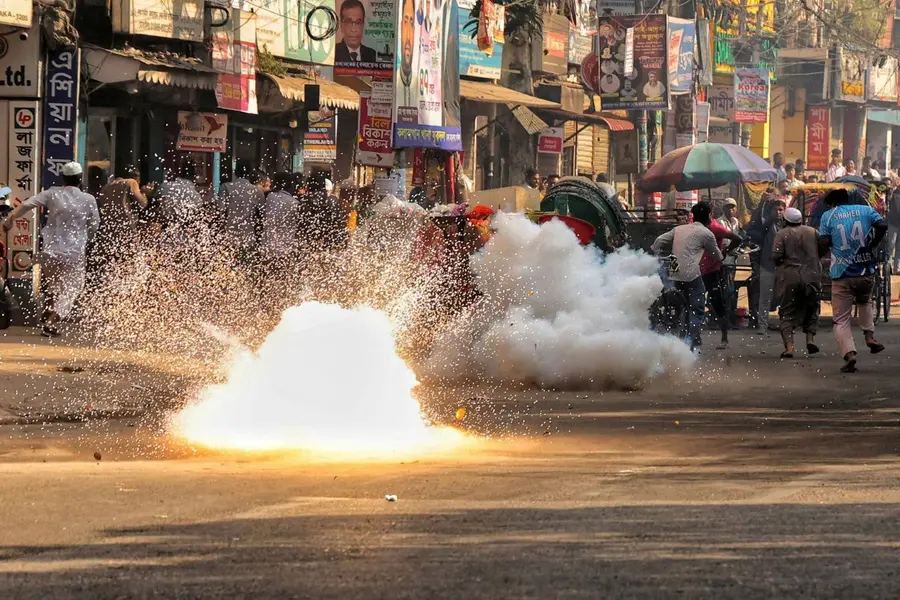
Dhaka: Bangladesh witnessed fresh unrest as supporters of the Awami League clashed with rival groups and police following the International Crimes Tribunal (ICT)’s death sentence verdict against ousted Prime Minister Sheikh Hasina for crimes against humanity during last year’s student uprising.
Protesters blocked major highways in Dhaka, leading marches and confronting police, who deployed batons, tear gas, and sound grenades to disperse demonstrators, according to local media. Videos shared on social media showed protesters being chased by police as explosions were heard in the city, which remained tense throughout the day.
The Dhanmondi 32 area, home to Bangladesh’s founding father Sheikh Mujibur Rahman and father of Hasina, also saw heightened tensions as protesters reportedly attempted to march there and damage property.
Supporters of the banned Awami League clashed with members of Jatiya Chhatra Shakti, an organisation linked to the coordinators of last year’s student-led uprising. Ahead of the verdict, the Awami League had called for a two-day nationwide strike, denouncing the ruling as “politically motivated.”
ICT Verdict
The ICT found the 78-year-old Hasina, currently living in exile in Delhi since her removal from office on 5 August last year, guilty on three counts: incitement to violence, ordering the killing of protesters, and failing to prevent atrocities during the uprising.
Former Home Minister Asaduzzaman Khan was also sentenced to death, while former IGP Chowdhury Abdullah Al-Mamun received five years’ imprisonment after cooperating with the court as a state witness.
The ruling, arriving months ahead of parliamentary elections scheduled for early February, is expected to significantly alter Bangladesh’s political landscape.
Hasina described the decision as “biased, politically motivated” and issued by a “rigged tribunal with no democratic mandate.” In contrast, interim leader Muhammad Yunus praised the verdict, stating that “no one, regardless of power, is above the law.”
Following the ICT ruling, Bangladesh requested India to return Hasina and her ally Kamal, citing their alleged role in the July crackdown on student protests. In response, New Delhi said it had “formally taken note” of the ICT decision, reiterating its commitment to “the best interests of the people of Bangladesh, including in peace, democracy, inclusion and stability.”
Published: 18 Nov 2025, 11:04 am IST
Related Topics
Disclaimer: Kindly avoid objectionable, derogatory, unlawful and lewd comments, while responding to reports. Such comments are punishable under cyber laws. Please keep away from personal attacks. The opinions expressed here are the personal opinions of readers and not that of Mathrubhumi.
