
Experts warn that while women are encouraged to vote, they are being marginalised in leadership roles.
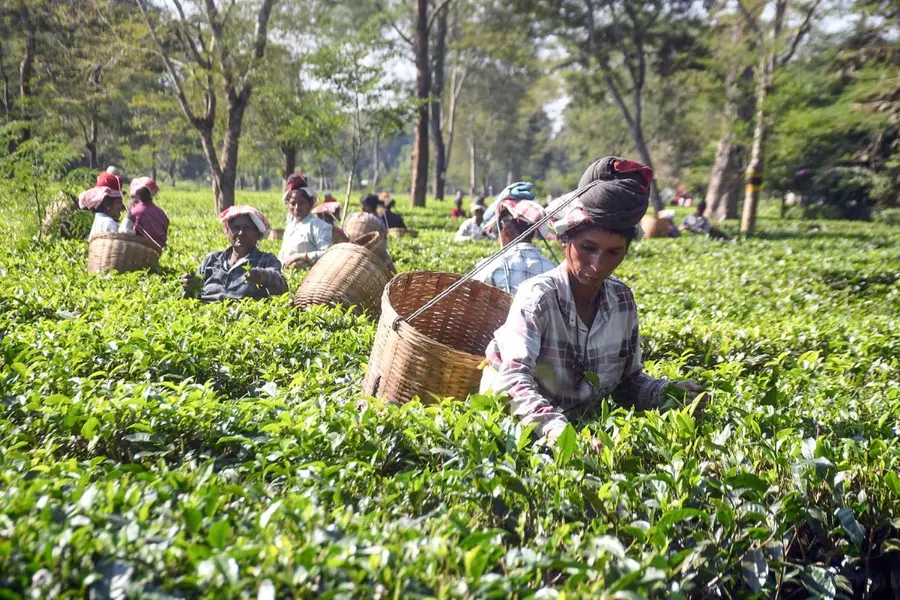
Assam is heading to the polls on 9 April 2026, with a massive 1.2 crore women poised to decide the state’s future. Women make up nearly half of the entire electorate. While their turnout has consistently surpassed that of men in recent years, their representation in politics is shrinking. New data shows a sharp drop in women standing for election, even as parties compete for their votes through substantial cash incentives.
The power of the female ballot
Women in Assam have emerged as the most reliable voting bloc in the state. In the last two major elections, they outpaced men at polling stations. In 2016, the gap was 0.34 percentage points, rising to 0.41 points by 2021. Despite an overall dip in voter turnout last time, women maintained their lead. They now account for almost 50 per cent of the total electoral roll.
However, their strength at the ballot box does not extend to the Assembly. In 2016, only eight women were elected, falling to six in 2021. The current government has just two women in cabinet positions. Experts warn that while women are encouraged to vote, they are being marginalised in leadership roles.
Cash offers and welfare wars
To attract these influential voters, parties are offering substantial financial rewards. The ruling BJP is emphasising its Orunodoi scheme, which currently provides around ₹1,250 a month to low-income households. Plans are underway to raise this to ₹3,000 in stages, reaching 1.5 million additional families. The party also aims to create 4 million “lakhpati baideos”—women earning over ₹1 lakh annually—through entrepreneurship support.
The Congress has responded with its “five guarantees”, promising unconditional monthly cash transfers to women. Unlike the government scheme, Congress says support will not require party membership or conditions. They also pledge ₹50,000 for women starting or expanding businesses. The Jharkhand Mukti Morcha (JMM) has joined the contest, promising ₹2,500 monthly to state women.
Dwindling numbers on the ticket
Despite the focus on women’s welfare, female candidates are declining. For 2026, only 59 women are contesting, down from 91 in 2016. Women now constitute just over 8 per cent of total candidates, signalling that parties are not increasing female representation.
Congress has fielded 14 women, including Nandita Garlosa, who recently switched from the BJP. The BJP has nominated seven women, unchanged from the previous election. Party officials say they are prioritising candidates with the best winning chances. Rights groups argue that women are treated as electoral tools rather than leaders and are calling for measures to remove social barriers to female political advancement in Assam.
Published: 31 Mar 2026, 04:06 pm IST
Related Topics
Disclaimer: Kindly avoid objectionable, derogatory, unlawful and lewd comments, while responding to reports. Such comments are punishable under cyber laws. Please keep away from personal attacks. The opinions expressed here are the personal opinions of readers and not that of Mathrubhumi.
