
Assam cabinet approves Bill to ban polygamy, proposes compensation fund for victim women
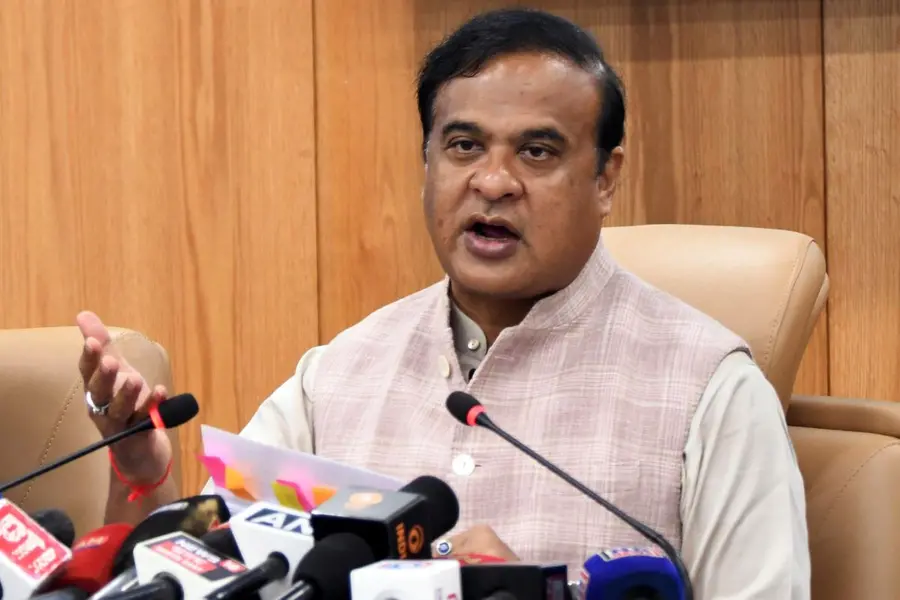
Guwahati: The Assam cabinet, led by Chief Minister Himanta Biswa Sarma, has approved the Assam Prohibition of Polygamy Bill, 2025, marking a significant step in the state’s effort to reform personal laws. The Bill, aimed at criminalising polygamy, will be tabled in the Assam Legislative Assembly on November 25.
At a press conference in Guwahati, Sarma said that convicted offenders could face up to seven years of rigorous imprisonment under the new law.
Also Read

Exceptions and scope of the Bill
While the Bill seeks to make polygamy a punishable offence across Assam, the Chief Minister noted that exceptions may apply to Sixth Schedule areas, which enjoy special constitutional protections under the Indian Constitution. These regions, predominantly inhabited by tribal communities, have their own customary laws.
Financial support for women victims
In a progressive move, the Assam government also announced plans to set up a dedicated fund to compensate women affected by polygamy. The initiative aims to provide financial assistance and social rehabilitation to ensure that women do not suffer hardship after separation or legal proceedings.
“We have decided to create a fund to give compensation to the victim women,” Sarma said. “The government will help with financial support in required cases so that no woman faces hardship in her life.”
Political and legal context
The proposed legislation aligns with Assam’s recent efforts to address issues of child marriage and gender-based injustice. The move is also seen as part of the state government’s larger campaign to promote uniform civil practices and legal reform in family law matters.
If passed, the Assam Prohibition of Polygamy Bill, 2025 will make the state among the first in India to legislate such a ban at the state level, combining legal penalties with victim welfare provisions.
The Bill will be introduced in the upcoming winter session of the Assam Assembly. Once debated and passed, it will set a new legal precedent for handling polygamy cases in the state.
With both penal and compensatory measures built into its framework, the legislation marks a decisive move by the Sarma-led government to strengthen women’s rights and bring personal law reforms under the ambit of state governance.
(With PTI inputs)
Published: 09 Nov 2025, 10:03 pm IST
Related Topics
Disclaimer: Kindly avoid objectionable, derogatory, unlawful and lewd comments, while responding to reports. Such comments are punishable under cyber laws. Please keep away from personal attacks. The opinions expressed here are the personal opinions of readers and not that of Mathrubhumi.