
Six years after the abrogation of Article 370, Jammu & Kashmir has witnessed a decline in terror incidents and a boost in tourism and infrastructure, but political autonomy and unemployment remain pressing concerns
On August 5, 2019, the Indian government formally revoked Article 370, ending Jammu & Kashmir’s special constitutional status, abolishing its separate constitution, and applying all central laws uniformly across the Union Territories of Jammu & Kashmir and Ladakh.
What’s Changed for the Better
1. Boost in Tourism & Economy
Tourist arrivals surged from roughly 3.47 million in 2020 to over 21.12 million in 2023, with over 10.84 million visitors in the first half of 2024 alone. Tourism now contributes about 7% of J&K’s GDP.
Private and public investment climbed from under INR 300 crore in 2019–20 to over INR 2,400 crore by end‑2023 in ongoing units and proposals.
Infrastructure flourished: 92,560 projects completed in 2022–23 vs ~9,229 in 2018, including major works like the Chenab Bridge, Baramulla‑Banihal rail link, and Zojila Tunnel expected by 2026.
2. Improved Security & Stability
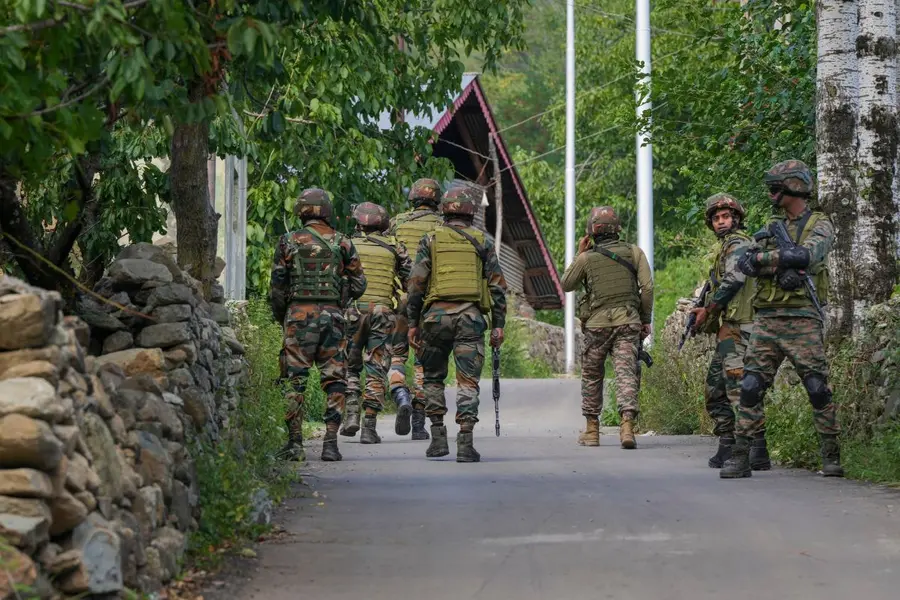
Terror-related incidents dropped sharply, from 153 in 2019 to just 46 in 2023. Civilians killed fell from 44 to 14; security personnel fatalities dropped from 80 to 30; militants neutralized declined from 157 to 73
Stone‑pelting, hartals, and grenade attacks nearly vanished. Stone pelting incidents fell by over 90%, and IED casualties declined by 77%
Local police freed up to handle routine law-and-order, while central forces focus on counter-terrorism.
3. Democratic Turnaround
The 2024 Lok Sabha elections saw J&K’s highest turnout in 35 years (~54.8% in Anantnag‑Rajouri) and smooth conduct without violence
The legislative assembly election (Sept–Oct 2024) returned civilian leadership under Omar Abdullah, though with limited autonomy.
4. Social & Governance Gains
National laws—including IPC, RTI, RTE, and women’s protection legislation—now apply in J&K. Domicile and land laws redefined, opening opportunities for West Pakistan refugees and Pahari‑speaking residents.
Self-help group movement: of 95,000 SHGs, nearly 60,000 are women‑run; about 600,000 rural women entrepreneurs are active
Tax revenues rose: 2023‑24 GDP ~INR 2.45 lakh crore, doubling since 2016, with GST up 12%, excise up 39% and the services sector dominant.
Persistent Challenges & Criticisms
1. Limited Political Autonomy
Despite elections, the Lieutenant Governor appointed by Delhi retains strong executive powers. Critics liken local governance to a “viceroy” model, undermining meaningful self-rule.
Chief Minister Omar Abdullah cautioned that neither “good nor bad” change was imminent on the sixth anniversary.
2. High Unemployment & Economic Unease
Unemployment remained stubbornly high: around 25% in March 2022, with youth unemployment hitting over 46%. It modestly eased to about 17% by early 2024.
Economic reliance on central grants remains strong, up to 70% of revenue expenditure. Agriculture and industry lag behind services in GDP contribution.
3. Civil Liberties & Media Restrictions
Press freedoms have long been curtailed. A new media policy under Omar Abdullah aims to ease controls after pre‑2019 censorship and the tight 2020 regulations
Civil rights advocates argue democratic choices remain constrained; courts have sought statehood restoration by late 2024, though powers are still limited.
Outlook & What Lies Ahead
The Supreme Court upheld the abrogation while ordering statehood restoration and elections by September 2024, with a new assembly in place by early October‑November 2024
Despite a democratically elected government, ultimate control remains with New Delhi. Economic revival, tourism growth, and infrastructure projects continue, but political and social discontent persist, especially among young people facing joblessness.
Conclusion
The six-year journey since Article 370’s abrogation is one of striking contrasts. On one hand, Kashmir has seen visible infrastructure growth, a tourism surge, enhanced legal rights, and improved security.
On the other hand, civil liberties remain constrained, autonomy remains limited, and unemployment continues to haunt, especially among educated youth. The region stands at a crossroads, with economic gains tempered by political inertia and lingering dissatisfaction.
Published: 05 Aug 2025, 08:05 am IST
Disclaimer: Kindly avoid objectionable, derogatory, unlawful and lewd comments, while responding to reports. Such comments are punishable under cyber laws. Please keep away from personal attacks. The opinions expressed here are the personal opinions of readers and not that of Mathrubhumi.
