
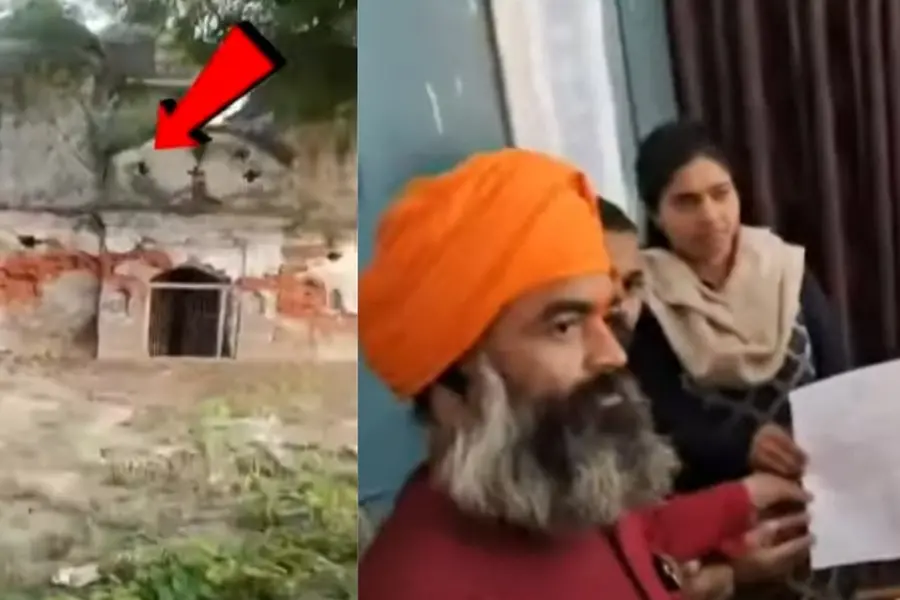
Uttar Pradesh: In Amethi, a 120-year-old Shiva temple has become the center of controversy after allegations surfaced that it has been occupied by members of the Muslim community for the past 20 years, with worship prohibited. The temple, located in the village of Aurangabad in the Musafirkhana police station area, is according to locals established by a Dalit family and became a symbol of faith for the local community. However, villagers claim that for the last two decades, worship has been barred by a particular community, leading to rising tensions in the area.
This incident follows a series of similar cases across Uttar Pradesh, including the reopening of a temple in Sambhal after 46 years and the discovery of a 250-year-old temple in Varanasi. In Bulandshahr, a 50-year-old temple closed since the 1990 riots was also recently found. These incidents have sparked demands from Hindu organisations to restore worship in these temples and have raised questions about religious rights and historical grievances.
On Monday, BJP District General Secretary Atul Singh led the villagers in submitting a formal complaint to Sub Divisional Magistrate(SDM) Preeti Tiwari, demanding action against those responsible. In response, the SDM handed over the investigation to the Tehsildar, and further action will be taken based on the findings of the investigation.
While the revival of these temples is seen by some as a reclaiming of lost heritage, it also raises concerns about communal divisions and the potential for unrest. In a country as diverse as India, issues like these require careful reflection and a balanced approach. Instead of fueling conflict, it is important to address these matters with sensitivity and a focus on unity, ensuring that historical and social complexities are properly understood.
Published: 24 Dec 2024, 11:25 am IST
Related Topics
Disclaimer: Kindly avoid objectionable, derogatory, unlawful and lewd comments, while responding to reports. Such comments are punishable under cyber laws. Please keep away from personal attacks. The opinions expressed here are the personal opinions of readers and not that of Mathrubhumi.
