
he unexplained deaths of 20 peacocks in Karnataka have sparked fears of another poisoning case, adding to a growing string of wildlife fatalities in the region
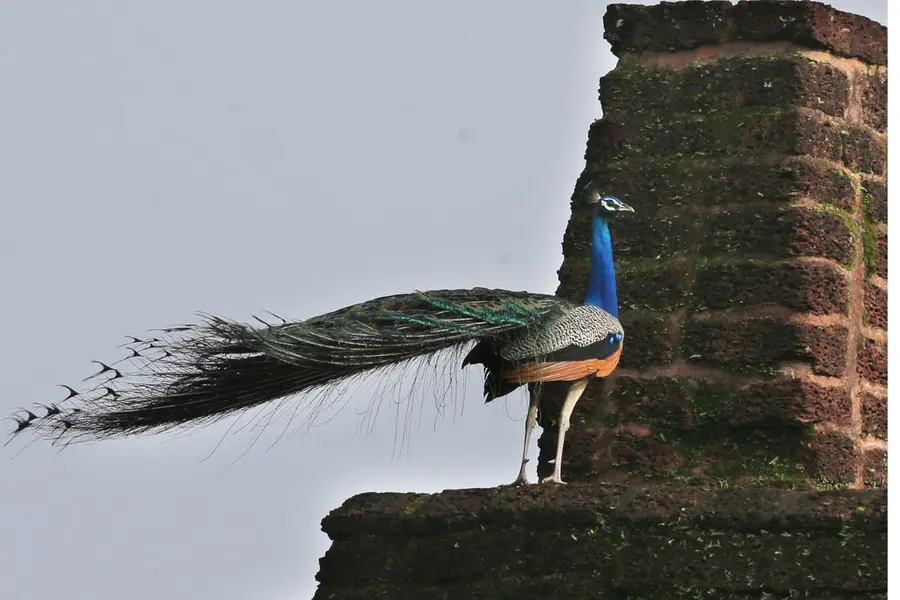
Hanumanthapura, Karnataka: As many as 20 of India’s national bird were discovered dead across farmland near a stream in Hanumanthapura village. Locals found the carcasses of three male and seventeen female peafowl scattered early this morning, sparking widespread shock and mourning.
Forest department officials swiftly arrived at the scene, conducting a thorough inspection before transporting the carcasses to a Forensic Science Laboratory. Investigations are underway to determine the cause of this sudden mass mortality.
This tragic event comes just weeks after a series of unsettling wildlife deaths in Karnataka. In June, a tigress and her four cubs were found dead in Male Mahadeshwara Hills Wildlife Sanctuary after reportedly consuming a poison‑tainted cow carcass. Forest investigators suspect villagers intentionally poisoned the meat.
Concerns Mount Over Potential Poisoning or Eco‑Threats
Although the specific cause of the peacocks’ deaths has not been confirmed, the proximity in time and similarity in gruesome nature to earlier incidents raise serious concerns about deliberate poisoning or environmental hazards.
Peafowl often forage in farmland near water sources; if pesticides or poisoned bait meant for rodents or livestock were used, unintended wildlife casualties may result.
Karnataka’s forest authorities are coordinating with veterinary pathologists and forensic labs to fast‑track results and issue preventive guidelines to local communities and farmers.
National Bird Among Growing Wildlife Losses
The death of twenty peacocks is particularly distressing given their protected status under Indian law and their cultural and ecological significance. While Karnataka has designated areas like the Adichunchanagiri and Bankapura peacock sanctuaries to conserve these majestic birds, such tragedies challenge the effectiveness of protective mechanisms.
Forest Department Actions & Public Appeals
Officials have urged locals to report any unusual wildlife sightings or sick animals immediately.
Areas around Hanumanthapura are being monitored, and control measures are being considered to restrict access to potential contamination zones.
The investigation’s outcome may hold critical implications—not just for wildlife protection, but for reevaluating agricultural practices and community awareness programs.
Further updates will follow once laboratory findings are received and authorities issue a detailed statement.
Published: 04 Aug 2025, 12:46 pm IST
Disclaimer: Kindly avoid objectionable, derogatory, unlawful and lewd comments, while responding to reports. Such comments are punishable under cyber laws. Please keep away from personal attacks. The opinions expressed here are the personal opinions of readers and not that of Mathrubhumi.
