
The Adani Group has unveiled a $15 billion plan to expand its airport business, aiming to handle 200 million passengers a year across its network by 2030.
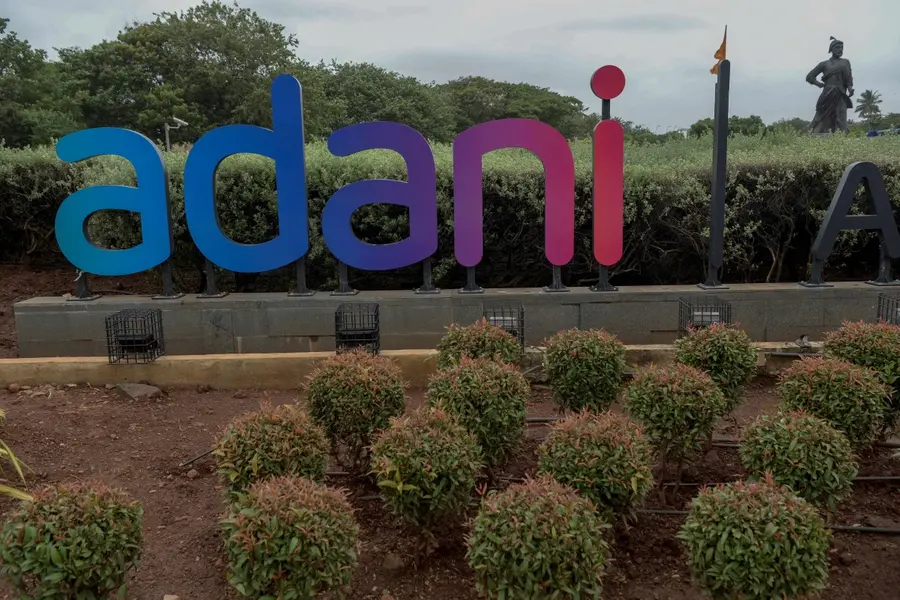
The Adani Group is preparing a major expansion of its airport business with an investment plan of around $15 bn, aiming to significantly boost passenger-handling capacity across its network by 2030. According to a Bloomberg report, the group wants its airports to be capable of managing 200 million passengers every year over the next five years, reflecting both India’s fast-growing aviation market and Adani’s long-term goal of publicly listing its airport business.
A major share of the investment will go into building new terminals, additional taxiways and a new runway at the upcoming Navi Mumbai International Airport, which is scheduled to start operations on December 25.
Along with Navi Mumbai, several other airports operated by the group, Jaipur, Lucknow, Guwahati, Ahmedabad and Thiruvananthapuram are also set to undergo significant upgrades. These improvements will help handle rising domestic and international air travel, which is expected to more than double to 300 million passengers annually by 2030.
Sources quoted by Bloomberg said that about 70% of the required funding will be raised through debt over the next five years, while the remaining investment will come from equity. By preparing to handle almost two-thirds of India’s expected passenger traffic, the Adani Group is positioning itself as one of the most influential players in the country’s aviation sector.
The airport expansion comes at a time when the group is also strengthening its wider aviation services. On November 27, 2025, Adani Defence Systems & Technologies Ltd (ADTSL) announced agreements with Prime Aero Services LLP to acquire FSTC, India’s largest independent flight training and simulation company. The deal values FSTC at ₹820 crore.
FSTC operates advanced full-flight simulators, training hubs and aircraft from its centres in Gurugram and Hyderabad, providing training for both civil and defence pilots. The acquisition is strategically important as India is expected to induct more than 1,500 new aircraft in the coming years, creating huge demand for trained pilots.
Adani Defence CEO Ashish Rajvanshi said the deal marks a major step in building a comprehensive aviation ecosystem. According to him, the acquisition will support the group’s goal of creating “integrated aviation services spanning civil MRO, general aviation, defence MRO and full-stack pilot training.”
India’s long-term aviation roadmap includes the development of 400 airports by 2047. With its aggressive expansion plans and new investments in areas like flight training and MRO services, Adani Airport Holdings is expected to play a central role in shaping the country’s future aviation landscape.
Published: 03 Dec 2025, 12:25 pm IST
Related Topics
Disclaimer: Kindly avoid objectionable, derogatory, unlawful and lewd comments, while responding to reports. Such comments are punishable under cyber laws. Please keep away from personal attacks. The opinions expressed here are the personal opinions of readers and not that of Mathrubhumi.
