
24-hour nationwide strike begins today; Kerala likely to witness bandh-like scenario as trade unions protest labour policies.
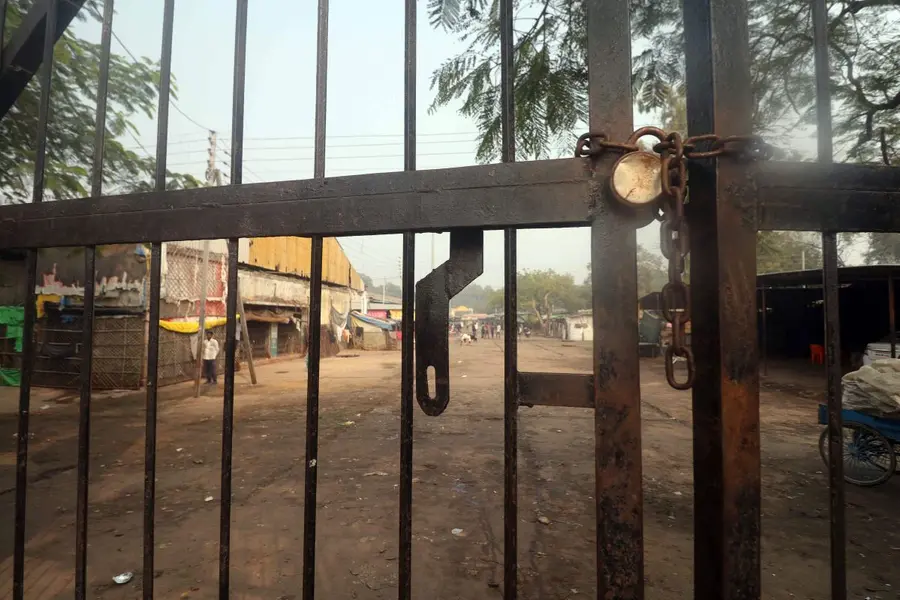
A nationwide strike called by trade unions representing agricultural, rural and informal workers began on Thursday, February 12, protesting the Central Government’s labour policies. In Kerala, the strike is expected to create a bandh-like scenario, disrupting normal life in several areas.
The 24-hour strike, running from midnight Wednesday to midnight Thursday, is organised by 10 major trade unions, including the Centre of Indian Trade Unions (CITU), Indian National Trade Union Congress (INTUC), All India Trade Union Congress (AITUC), Self-Employed Women’s Association (SEWA) and the Rashtriya Mazdoor Federation.
Banking services, transport operations and government offices are likely to be affected, though essential services such as hospitals, ambulance services, airports, medical facilities, milk distribution, private offices and ATMs will remain functional.
The unions have demanded the repeal of the four labour codes, arguing they undermine workers’ rights, dilute social security benefits, restrict the right to strike, and favour corporate interests. Their other demands include the restoration of the Mahatma Gandhi National Rural Employment Guarantee Scheme, withdrawal of the National Education Policy 2020, Electricity Bill and Seed Bill, amendments affecting land, agriculture and labour, implementation of revised minimum wages, social security for unorganised workers, regularisation of contract employees, measures to curb price rise, and minimum support prices for agricultural produce.
Ahead of the strike, CPM general secretary M A Baby sharply criticised the labour codes, calling them “anti-labour” and a tool to “enslave the working class to corporate houses”.
The strike comes amid growing unrest among workers and farmers nationwide, with Kerala expected to see one of the most visible disruptions due to the intensity of participation across sectors.
Published: 12 Feb 2026, 12:01 am IST
Related Topics
Disclaimer: Kindly avoid objectionable, derogatory, unlawful and lewd comments, while responding to reports. Such comments are punishable under cyber laws. Please keep away from personal attacks. The opinions expressed here are the personal opinions of readers and not that of Mathrubhumi.
