
An Iranian woman married her death-row fiancé over the phone inside prison, but the 25-year-old groom was executed just hours after the ceremony.
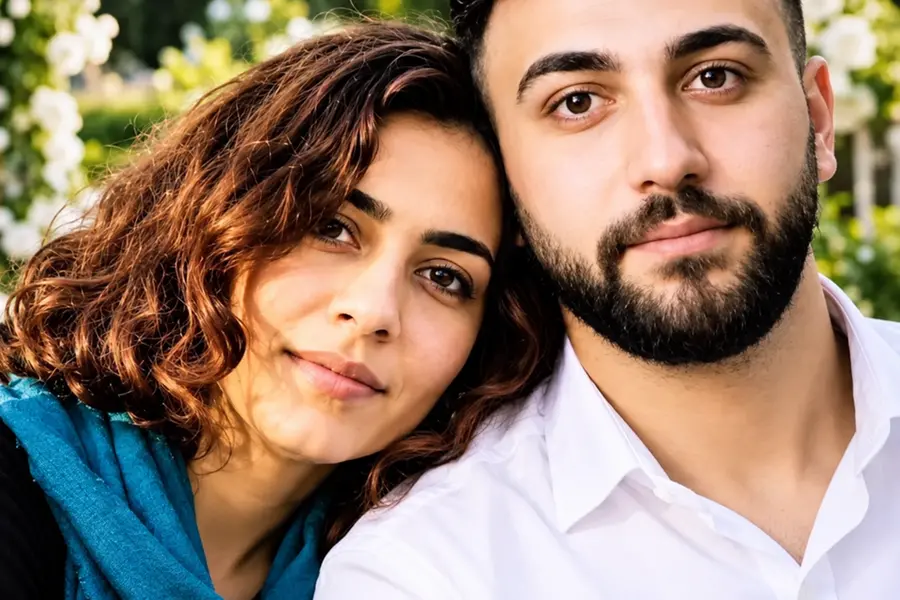
An Iranian woman’s decision to marry her death-row fiancé before his execution ended in tragedy, as 25-year-old Alireza Sepahi was hanged just hours after their prison wedding.
In a telephone-only prison wedding, an Iranian couple exchanged vows knowing they might never get the chance to build a life together.
Hours later, the groom was executed, leaving his 22-year-old bride without ever having met her as his wife outside prison.
Alireza Sepahi and Mahshad Keshani were among the thousands arrested during anti-regime protests in Iran earlier this year.
With Sepahi facing execution, Keshani insisted on marrying him before it was too late, according to a report by The Sunday Times.
The ceremony took place on Monday inside Isfahan prison, with the couple’s fathers joining over the phone.
Tehran-based human rights lawyer Amirsalar Davoudi helped conduct the wedding, read the couple’s vows, and seek their fathers’ blessings.
Keshani’s family could offer little by way of traditional wedding gifts. Their contribution comprised a copy of the Quran, a piece of saffron rock candy and a single red rose as dowry.
‘It was Mahshad’s idea,’ Davoudi told The Sunday Times, expressing astonishment at a young woman's courage in marrying her fiancé despite the circumstances.
‘I do not know how to come to terms with this,’ he said, adding that he believed the authorities were taking revenge on young people following the humiliation Iran had suffered internationally.
Groom executed hours after wedding
Sepahi was hanged at Shahid Alikhani Square in Isfahan just hours after the wedding. The location had witnessed one of the largest protests against the Islamic Republic in January and has also been used for public executions.
His death came after an earlier attempt to execute him was interrupted by a medical emergency.
In July, Sepahi reportedly suffered a heart attack on his way to the gallows and fell into a coma, narrowly escaping execution at the time.
He eventually regained consciousness and was permitted a final visit with his family on Sunday. The visit prompted Keshani to press for the wedding to be conducted before his execution, Davoudi told the newspaper.
When the lawyer conveyed her wish to Sepahi, the young prisoner initially struggled to believe what he was hearing. He eventually broke down in tears.
Alireza was crying, and something deeply painful and beautiful happened. Even the prison officers began to cry,” Davoudi recalled.
Keshani had been warned that the decision was permanent. Recalling their conversation, Davoudi said he asked whether she understood the marriage could not simply be undone.
Her response was direct: “Mr Davoudi, I love Alireza.”
A case linked to deadly January protests
Sepahi was among 12 men accused in a case involving the killing of four security guards during protests. Human rights groups have alleged that the defendants were subjected to torture and forced to make false confessions.
Sepahi’s execution, alongside that of fellow prisoner Alireza Raisi, has left only five of the 12 accused alive, according to the report.
Sepahi’s cousin, Abolfazl Sepahi Badjani, was also among those hanged at Shahid Alikhani Square, where public executions have drawn criticism and sparked protests against the authorities.
The tragedy continued even after Sepahi’s death. According to Iran International, his family was prevented from burying him in his hometown.
For Keshani, the wedding that was meant to give the couple a final moment of togetherness became a farewell.
The two had exchanged vows and been joined in marriage, but the circumstances of Sepahi’s imprisonment and execution denied them the chance to begin their married life together.
Published: 09 Oct 2026, 02:26 pm IST
ABOUT THE AUTHOR

Disclaimer: Kindly avoid objectionable, derogatory, unlawful and lewd comments, while responding to reports. Such comments are punishable under cyber laws. Please keep away from personal attacks. The opinions expressed here are the personal opinions of readers and not that of Mathrubhumi.