
A major milestone in wildlife conservation has been achieved at the Great Indian Bustard Captive Breeding Centre in Rajasthan’s Jaisalmer, where two chicks of the critically endangered bird have hatched.
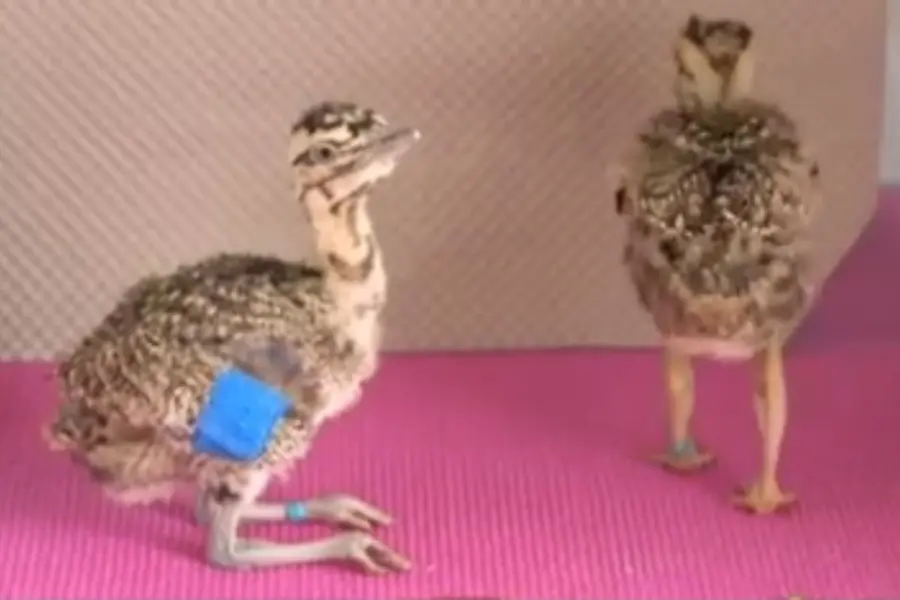
Jaisalmer: A significant milestone in wildlife conservation has been achieved at the Great Indian Bustard Captive Breeding Centre in Rajasthan’s Jaisalmer, where two chicks of the critically endangered Great Indian Bustard have recently hatched.
Officials at the centre said one of the chicks was born through artificial insemination, marking an important scientific breakthrough in the conservation of the species, which is known for its extremely slow breeding rate.
Also Read

The successful use of the technique is being seen as a major step forward in efforts to revive the dwindling population of the rare desert bird, once widely found across the Thar region.
With the latest births, the total number of chicks at the breeding facility has risen to 70, strengthening hopes for the species’ recovery.
Authorities said preparations are underway to gradually release the birds into their natural habitat after a carefully monitored adaptation period to ensure they can survive in the wild.
Experts believe that sustained conservation efforts, scientific breeding programmes and habitat protection could help restore the population of the Great Indian Bustard, raising hope that this iconic bird of the Thar Desert may once again be seen in greater numbers in the wild.
Published: 17 Mar 2026, 03:25 pm IST
Disclaimer: Kindly avoid objectionable, derogatory, unlawful and lewd comments, while responding to reports. Such comments are punishable under cyber laws. Please keep away from personal attacks. The opinions expressed here are the personal opinions of readers and not that of Mathrubhumi.