
Rishab Shetty looks back at Kantara as the film completes four years, thanking the team and audiences who took the Kannada film from Karnataka to the world
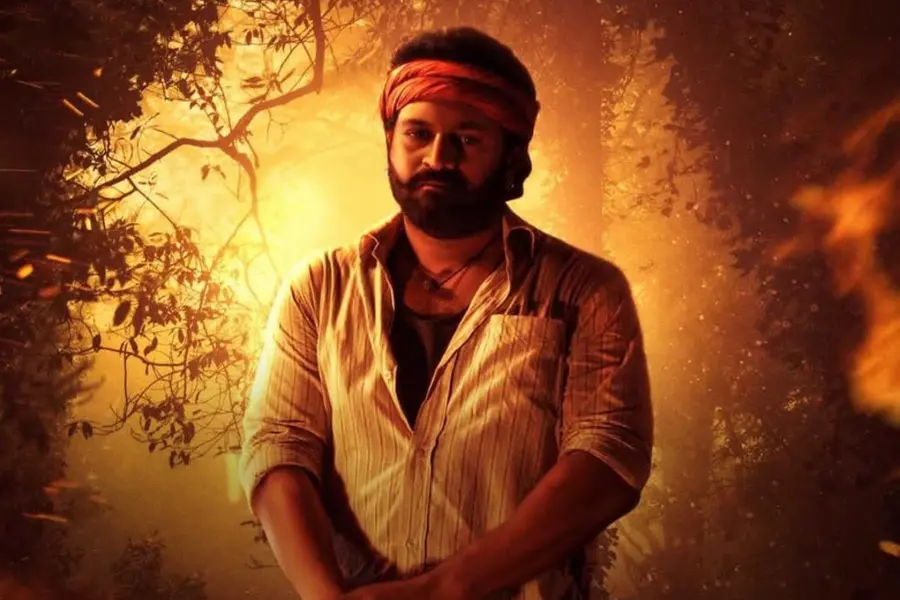
Four years after ‘Kantara’ arrived in theatres, Rishab Shetty has taken a moment to look back at the film that changed the course of his career. For the actor-filmmaker, the Kannada film was more than a project. It was a story he had carried with him and a world he felt deeply connected to.
As ‘Kantara’ completed four years, Rishab shared pictures from the film on social media and reflected on its journey. He remembered the awards and recognition that followed, but said the response from audiences remained the most special part of the experience.
“Four years since Kantara came to life on the big screen. The rest is history. Awards and appreciation started pouring in from everywhere, but the love you all showered on the film remains unmatched,” he wrote in his post.
The actor-director also thanked the people who worked with him on the film. From the cast and crew to everyone who believed in the story, Rishab credited their hard work and commitment for helping Kantara reach audiences far beyond what he had initially imagined.
Written and directed by Rishab, ‘Kantara’ also featured him in the lead role of Shiva. The film drew heavily from the culture, traditions and landscape of coastal Karnataka, with its story closely connected to local beliefs and the Bhoota Kola tradition.
What started as a Kannada film eventually found audiences across India after being released in multiple languages. The film became a major commercial success, earning more than ₹400 crore worldwide, according to reports.
Its success also brought Rishab major recognition at the National Film Awards.
‘Kantara’ earned Rishab Shetty his first National Award
At the 70th National Film Awards, Kantara won the award for Best Popular Film Providing Wholesome Entertainment, while Rishab was named Best Actor in a Leading Role for his performance in the film.
The recognition added another milestone to the film's already remarkable run. However, in his latest post, Rishab chose to focus less on the awards and more on the people who made the journey possible.
His message was largely one of gratitude, especially towards audiences who took the story beyond Karnataka and embraced it across languages and regions.
Published: 30 Sept 2026, 08:51 pm IST
ABOUT THE AUTHOR

Related Topics
Disclaimer: Kindly avoid objectionable, derogatory, unlawful and lewd comments, while responding to reports. Such comments are punishable under cyber laws. Please keep away from personal attacks. The opinions expressed here are the personal opinions of readers and not that of Mathrubhumi.