
Panchayat actor Vinod Suryavanshi shares a harrowing account of rising from extreme poverty to acting success, while still battling systemic caste discrimination in his native village.
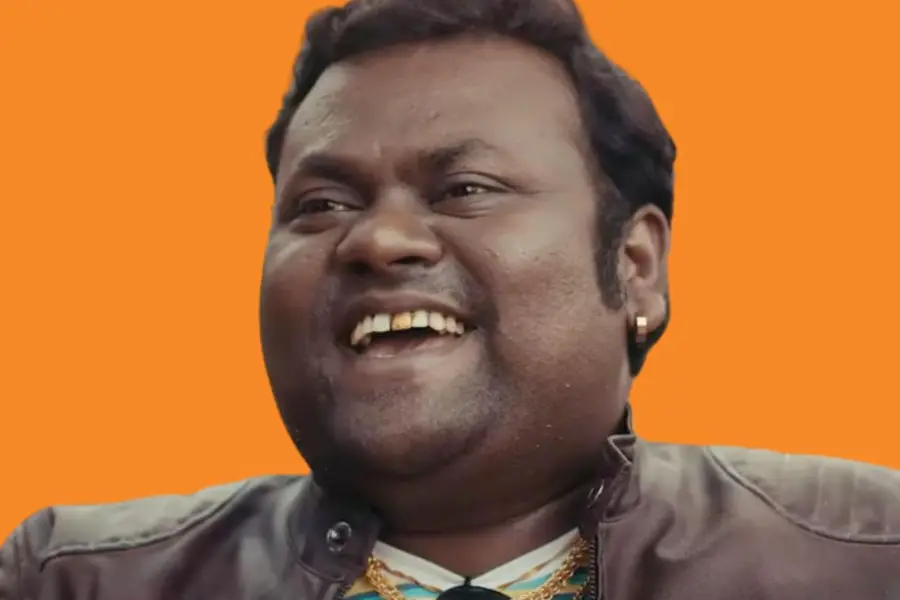
In a heart-wrenching revelation, Panchayat actor Vinod Suryavanshi has opened up about the stark contrast between his growing professional success and the systemic discrimination that still haunts his family. Speaking in an interview to Siddharth Kannan, the actor shared that despite his presence on the silver screen, the ancient barriers of caste in his Karnataka village remain unchanged.
The persistence of segregation
Vinod’s journey is a study in resilience. Having grown up in extreme poverty—where his father worked as a mason and his mother as domestic help—he has now moved into a professional sphere. However, he clarified that "success" hasn't bought him equality in his hometown.
"In my village in Karnataka, casteism is still prevalent, even today. There are two areas in that village — one for the upper castes and one for the lower castes. The area where the Dalits live is separate from the village."
Even now, his family faces a daily reality of "social poverty”, where their status as Dalits denies them basic human dignities. "There is still a temple where we are not allowed to go in my village," he revealed, adding that they are still barred from entering the homes of others.
A childhood defined by want
Before his acting breaks in projects like Jolly LLB 3 and Satyameva Jayate, Vinod’s life was a series of gruelling, low-wage jobs. He recalled working as a liftman for just ₹1,600 a month and standing for 12-hour shifts as a security guard in the rain.
His most touching recollection remains the way poverty robbed his family of joy. While the world celebrated, his home was often filled with tears.
"I have often seen my parents cry. When festivals came, I would wonder why they were coming at all... Festivals made us cry more because we could never celebrate them like others."
Respect: a commodity of status
Vinod’s story is a powerful reminder that while an individual can work their way out of financial hardship, systemic bias is much harder to dismantle. He concluded the interview with a sobering observation on how society grants respect:
"People say no work is small, but I’ve learned that a person is judged by the level of work they do — the bigger the work, the more respect they get."
By moving from a security guard's uniform to the screen, Vinod has earned his place in the industry, but his family's ongoing exclusion from their own village's temples proves that for many, the struggle for acceptance is far from over.
Published: 22 Apr 2026, 04:10 pm IST
Disclaimer: Kindly avoid objectionable, derogatory, unlawful and lewd comments, while responding to reports. Such comments are punishable under cyber laws. Please keep away from personal attacks. The opinions expressed here are the personal opinions of readers and not that of Mathrubhumi.
