
Ranveer Singh is reportedly set to take a paternity break after wrapping the first schedule of ‘Pralay’.
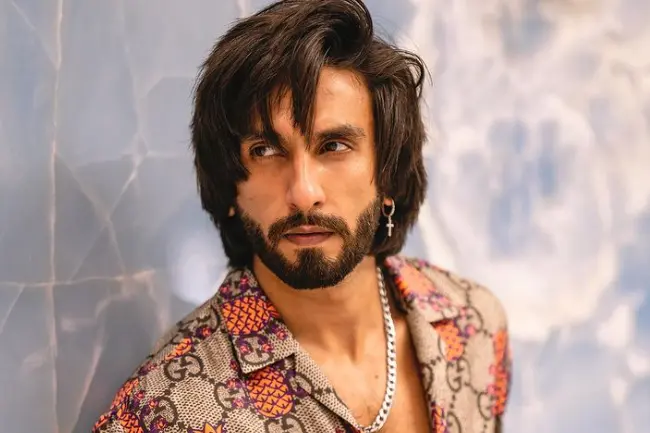
As Ranveer Singh prepares to begin filming his upcoming zombie thriller ‘Pralay’, the actor is also making time for something rarely discussed in Bollywood – a paternity break. According to reports, Singh will begin shooting in August and continue through the festive season before stepping away from work after Diwali to be with wife Deepika Padukone as they prepare to welcome their second child.
According to reports, Singh plans to wrap the film's first schedule by late October and Diwali before taking a paternity break in November. The production is expected to resume in 2027, allowing the actor time to focus on his family as Deepika enters the final stages of her pregnancy.
The decision has drawn attention not only because it comes at a high point in Singh's career following the success of ‘Dhurandhar’, but also because it highlights a growing conversation around the role of fathers in early parenthood and the increasing importance of paternity leave.
Balancing a blockbuster schedule with family life
‘Pralay’, directed by Jai Mehta, marks Singh's first venture into the zombie thriller genre. While the makers have kept details of the story and supporting cast under wraps, the project has already generated significant anticipation.
Earlier reports suggested that a substantial portion of the film would be shot in Australia, with Singh already beginning preparations for the physically demanding role. According to Pinkvilla, "Ranveer will start shooting for the Jai Mehta directorial in the second half of 2026. The shoot is planned in Australia, and he has already kick-started prep. This is a film that requires intense physical and emotional preparation, given the scale and genre."
Despite the demanding schedule, the actor is reportedly setting aside time to be present for his family during the arrival of their second child.
Singh and Padukone, who married in 2018, welcomed their daughter Dua in September 2024 and have largely kept their family life away from the public spotlight. The couple announced they were expecting another child earlier this year, with Deepika now reported to be in her third trimester.
What exactly is paternity leave?
Paternity leave refers to a period of leave granted to fathers or non-birthing parents following the birth or adoption of a child. Unlike maternity leave, which focuses on childbirth recovery, paternity leave is designed to allow fathers to participate in newborn care, support their partners and establish an early bond with the child.
Many modern policies also extend these benefits to adoptive parents, foster parents and partners in same-sex families, reflecting changing definitions of parenthood.
Although the duration and benefits vary widely across countries and employers, the broader objective remains the same, giving fathers dedicated time to be actively involved during a child's earliest weeks.
Why experts say fathers taking leave matters
Research over the past decade has increasingly shown that paternity leave benefits not just fathers, but entire families.
One of the most immediate advantages is additional support for mothers recovering from childbirth. Sharing newborn responsibilities can reduce stress, ease physical recovery and contribute to better maternal mental health during the postpartum period.
Early involvement also helps fathers develop stronger emotional connections with their children. Studies have linked active participation in a baby's first weeks with improved communication, stronger relationships and positive developmental outcomes as children grow older.
The benefits extend beyond the home. When fathers take leave, childcare responsibilities become more evenly shared, challenging traditional expectations that caregiving falls primarily on women. Workplace experts say this can contribute to greater gender equality both at home and in professional settings.
Why companies increasingly support paternity leave
Family-friendly workplace policies have become an increasingly important factor for employees evaluating employers.
Businesses that provide paternity leave often see higher employee satisfaction, stronger workplace engagement and improved staff retention. Employees who feel supported during major life events are generally more likely to remain committed to their organisations.
For fathers themselves, taking time away from work can improve confidence in parenting, reduce stress and strengthen relationships with both their partners and children.
As workplaces continue to evolve, paternity leave is increasingly viewed not as a workplace perk but as part of a broader commitment to employee wellbeing.
How paternity leave differs across the world
Access to paternity leave varies considerably depending on where families live.
Countries including Japan and several Nordic nations offer some of the world's most generous parental leave systems, allowing fathers to spend several months at home with wage support. Spain provides 16 weeks of fully paid paternity leave, placing fathers and mothers on equal footing.
Elsewhere, entitlements are more limited. Fathers in the United Kingdom can generally access one to two weeks of statutory paternity leave, alongside provisions for shared parental leave. Across the European Union, member states are required to provide at least 10 working days of paternity leave.
In contrast, countries such as the United States do not guarantee paid paternity leave at the federal level, while India's private sector still lacks a nationwide statutory paid paternity leave policy, leaving many employees dependent on individual company benefits.
Published: 14 Jul 2026, 02:00 pm IST
Related Topics
Disclaimer: Kindly avoid objectionable, derogatory, unlawful and lewd comments, while responding to reports. Such comments are punishable under cyber laws. Please keep away from personal attacks. The opinions expressed here are the personal opinions of readers and not that of Mathrubhumi.
