
Fans await Jana Nayagan release while CBFC’s strict edits show growing filmmaker distress and censorship trends.
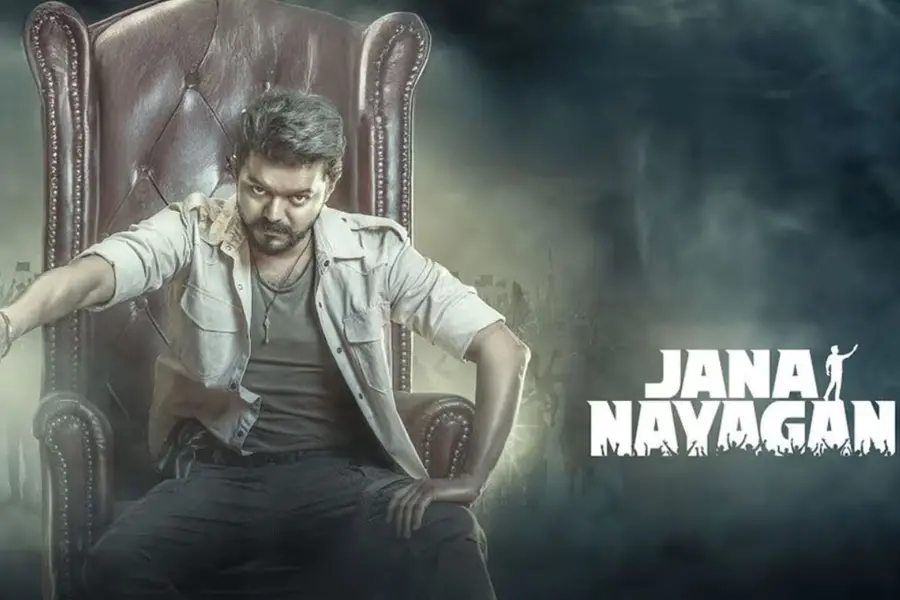
Thousands of fans are currently waiting for the Jana Nayagan release date following a high-stakes legal victory for the film’s producers. On Friday, 9 January 2026, the Madras High Court directed the Central Board of Film Certification (CBFC) to grant a U/A certificate to the much-anticipated project starring actor-turned-politician Vijay.
While the court has intervened, the CBFC is reportedly appealing the verdict, leaving the film’s release in a state of legal limbo.
Directed by H Vinoth, Jana Nayagan features a heavyweight cast including Vijay and Prakash Raj. The production team submitted the film for review on 18 December, but the process stalled when the board suggested removing scenes and muting dialogues.
The court previously requested to see evidence of a complaint claiming the film "hurts religious sentiments". Despite the filmmakers implementing the suggested changes, the certificate remained unissued until the court's recent mandate.
What the numbers say about censored content
The delay of Jana Nayagan is part of a broader trend of increasing intervention by the CBFC. Unmasking the scale of these edits is CBFC Watch, an independent research project dedicated to exploring film censorship actions across India. Their data reveals that between 2017 and 2025, the board altered over 720 hours (43,200 Minutes) of film content.
The statistics show a clear preference for certain types of censorship:
- Deletions: Approximately 550 hours (76%) of modified content involved removing footage.
- Insertions: About 80 hours (12%) involved adding content, such as anti-smoking warnings.
- Replacements: Less than 35 hours (5%) involved substituting visuals or dialogue.
Visual scenes account for half of all modifications, while music and metadata—such as health warnings—make up the remainder. For example, the Oscar-winning film Parasite saw nearly four minutes of visual deletions involving blood and intimacy.
Shifting from certification to moral policing
Critics argue the board has transitioned from a certifying body to an ideological vetting committee. Recent examples highlight this shift:
- Religious sentiment: In the case of JSK: Janaki v/s State of Kerala, the board objected to the protagonist’s name because she was a rape survivor, and the name is shared by a Hindu goddess.
- Political sensitivity: The film Udta Punjab faced 94 suggested cuts, including references to government officials and the word "Punjab" itself.
- Contentious history: In the biopic Phule, filmmakers were told to replace references to "3,000 years of slavery" with more vague phrasing.
- Political appeasement: The film Sitaare Zameen Par was reportedly cleared only after producers agreed to include a quote from the Prime Minister.
The disappearance of independent appeals
The debate is further complicated by the 2021 abolition of the Film Certification Appellate Tribunal (FCAT). Previously, this body allowed filmmakers to challenge CBFC decisions without the high costs of the court system.
Now, creators must take their cases to High Courts, which are burdened with over five million pending cases. For many smaller filmmakers, this financial hurdle leads to self-censorship, as they often choose to alter their creative vision rather than face a lengthy legal battle for a release date.
Published: 09 Jan 2026, 12:27 pm IST
Disclaimer: Kindly avoid objectionable, derogatory, unlawful and lewd comments, while responding to reports. Such comments are punishable under cyber laws. Please keep away from personal attacks. The opinions expressed here are the personal opinions of readers and not that of Mathrubhumi.
