
Fans question line distribution, MV choices and vocal production in BTS’ first full-group comeback in four years.
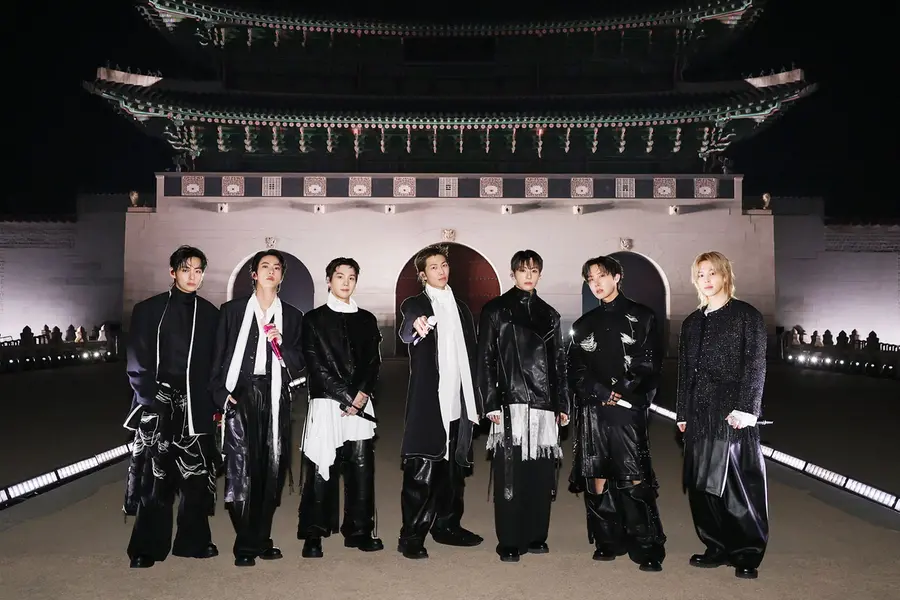
The comeback of BTS with a new album ‘Arirang’ has ignited intense discussion online, as fans debate whether the project lives up to expectations following the group’s long-awaited return from military service. While many supporters have praised the ambition behind the release, others argue that several creative choices have left them underwhelmed.
‘Arirang,’ a traditional Korean folk song handed down through generations, is widely recognised for its themes of separation, longing and quiet resilience. The piece also carries significant historical weight: it is among the earliest Korean songs known to have been recorded in the United States, captured in 1896 by a group of Korean men working with American ethnologist Alice Fletcher.
The album features tracks such as ‘Body to Body’, ‘Hooligan’, ‘Aliens’, ‘FYA’, ‘2.0’, ‘Merry Go Round’, ‘NORMAL’, ‘Like Animals’, ‘they don’t know ’bout us’, ‘One More Night’, ‘Please’, ‘Swim’, ‘No. 29’ and ‘Into the Sun’.
Here are the key concerns driving the conversation.
Concerns over line distribution
A frequent point of debate revolves around how vocal parts are divided among the members. Some listeners say the distribution feels uneven, with certain voices appearing far more prominently than others. This has led to calls for more balanced representation across the group, particularly for a major comeback project.
Mixed reactions to the ‘SWIM’ music video
The music video for ‘SWIM,’ which features actress Lili Reinhart, has drawn divided responses. While some appreciated the artistic concept, others felt the execution fell short of expectations. Several fans commented that the actress’ extensive screen time reduced the visual presence of the members themselves, dampening the impact of the comeback.
Lyrics that don’t meet expectations
Another criticism centres on the album’s lyrical depth. Some listeners believe the writing lacks the emotional resonance and storytelling that once defined the group’s earlier work. Disappointment also grew around the large volume of English lyrics, with some netizens arguing that ‘Arirang’ should have leaned more heavily into Korean language and themes, given the traditional significance of its title.
Production choices under scrutiny
Fans also expressed concern about the album’s sound engineering, saying the vocal production at times feels overly processed. Critics argue that heavy effects and mixing choices conceal the unique timbres of individual members rather than highlighting them.
This debate extends to the album’s long list of collaborators. Alongside in-house producer Pdogg are global names such as Diplo, El Guincho, and Kevin Parker. Some fans welcomed the diversity, while others felt the album leaned too heavily on international influences.
Questions about a distinctive sound
Some listeners say the album blends into mainstream pop trends instead of offering a strong, defining sonic identity. Despite incorporating elements from traditional Korean music, critics argue that the overall result feels less innovative than expected for a comeback of this scale.
Debates over authenticity and cultural balance
Although the album draws its name from ‘Arirang,’ Korea’s most celebrated folk song, several fans found it surprising that the project features more English lyrics than Korean. This contrast was amplified by the group’s extravagant comeback stage, performed on the historic Gyeongbokgung–Gwanghwamun axis in front of more than 100,000 spectators.
Additionally, the title-track video stars a Western lead actress, while comeback production was overseen by British director Hamish Hamilton and streamed globally on Netflix. Some critics felt these decisions diluted the album’s intended cultural grounding.
Debate over on-stage chemistry
BTS’ large-scale comeback concert, their first as a full group since completing military service, was a monumental moment. Yet reaction to the performance has been mixed. While many praised their synergy, others said something “felt off,” pointing to moments where they felt the chemistry was not as strong as in past years. Supporters countered by sharing articles and personal accounts praising the group’s bond on stage.
Criticism of V’s live vocals
Member V faced particularly strong criticism for his performance of ‘Aliens,’ with some netizens questioning his pitch and commenting on the level of vocal processing. Accusations of lip-syncing during ‘2.0’ further fuelled heated debate, with viewers pointing to discrepancies between microphone placement and the audio.
Wider concerns over the concert
Beyond musical criticism, the concert itself generated controversy due to disruptions in the surrounding area. Emergency alerts, road closures and nearby business interruptions all fed into discussions about logistical impact and event planning for major comeback stages.
The group’s return follows a four-year break from full-group activities, during which all seven members – RM, Jin, Suga, J-Hope, Jimin, V, and Jungkook – completed military service. Their comeback drew more than 100,000 fans in person and millions online, underscoring the immense expectations placed on their first reunion performance.
Despite the criticism, the energy surrounding their return, and RM’s simple “We’re back”, reflected the enduring devotion of fans who waited years for this moment.
Published: 22 Mar 2026, 08:29 pm IST
Related Topics
Disclaimer: Kindly avoid objectionable, derogatory, unlawful and lewd comments, while responding to reports. Such comments are punishable under cyber laws. Please keep away from personal attacks. The opinions expressed here are the personal opinions of readers and not that of Mathrubhumi.
