
The court observed that unauthorised use of a person's identity online violates fundamental rights and reminded digital platforms of their legal responsibilities
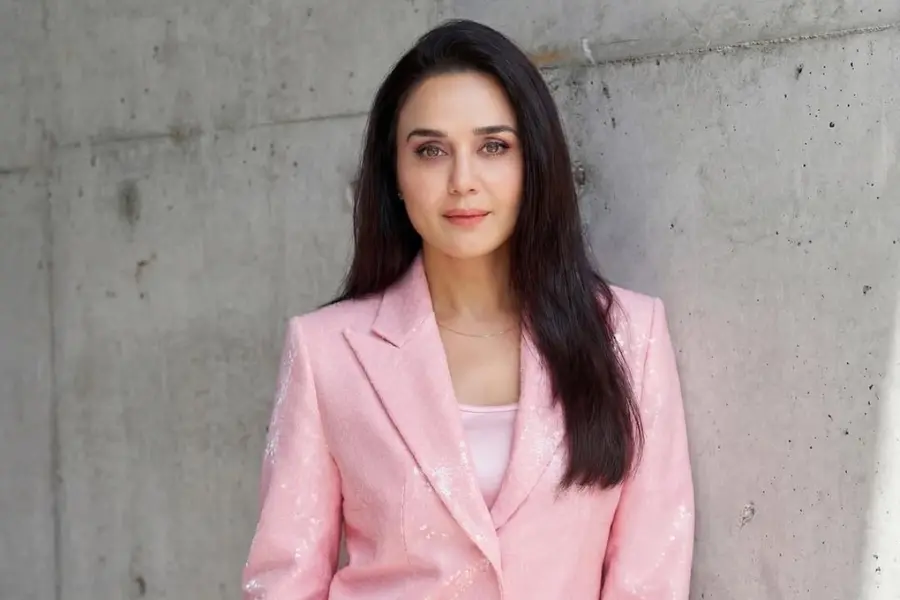
The Bombay High Court has directed the removal of fake videos, morphed images, deepfakes and other unauthorised online content featuring actor Preity Zinta, observing that such material infringes upon an individual's fundamental rights.
The order was passed on Wednesday by Justice Madhav Jamdar, who granted interim relief to the actor after she approached the court over the unauthorised use of her identity across multiple online platforms.
Court orders immediate takedown
The High Court directed that all fake and unauthorised content featuring Zinta be removed from online platforms without delay.
In her plea, the actor highlighted the circulation of AI-generated videos, morphed photographs and chatbot-style interactions that used her name, image and likeness without permission.
Her lawyer, Venkatesh Dhond, informed the court that nearly 275 websites were hosting manipulated images, altered videos or other content created using Zinta's identity. He argued that the material violated her personality rights, publicity rights and moral rights.
Court raises concerns over online platforms
While hearing the matter, the court also questioned the responsibility of online intermediaries in preventing the spread of such content.
Justice Jamdar reminded digital platforms of their obligations under the Information Technology Rules, stating that they must act when such material is reported.
The court observed that if intermediaries began taking timely action, people responsible for creating and sharing such content would be discouraged.
"If the intermediaries start taking action, such type of offenders will stop. Otherwise, you are part of affecting fundamental rights of the citizens of this country," the court remarked.
The court noted that Zinta has spent more than 25 years building her career and public image in the film industry.
It observed that using her image, likeness or mannerisms without permission in manipulated digital content could harm her reputation and violate her legal rights.
"The plaintiff's personality rights, publicity rights and moral rights are violated by creation of such morphed and superimposed content," the court said.
The bench further observed that these rights are protected under Article 19, which guarantees freedom of speech, and Article 21, which protects the right to life and personal liberty, including the right to live with dignity.
After examining the case, the court held that Zinta had established a prima facie case and granted interim relief.
Agency inputs
Published: 09 Jul 2026, 09:14 am IST
Related Topics
Disclaimer: Kindly avoid objectionable, derogatory, unlawful and lewd comments, while responding to reports. Such comments are punishable under cyber laws. Please keep away from personal attacks. The opinions expressed here are the personal opinions of readers and not that of Mathrubhumi.
