
Lee founded SM Entertainment in 1995, creating the training system that shaped idols like BoA, TVXQ, Girls’ Generation, EXO, and aespa.
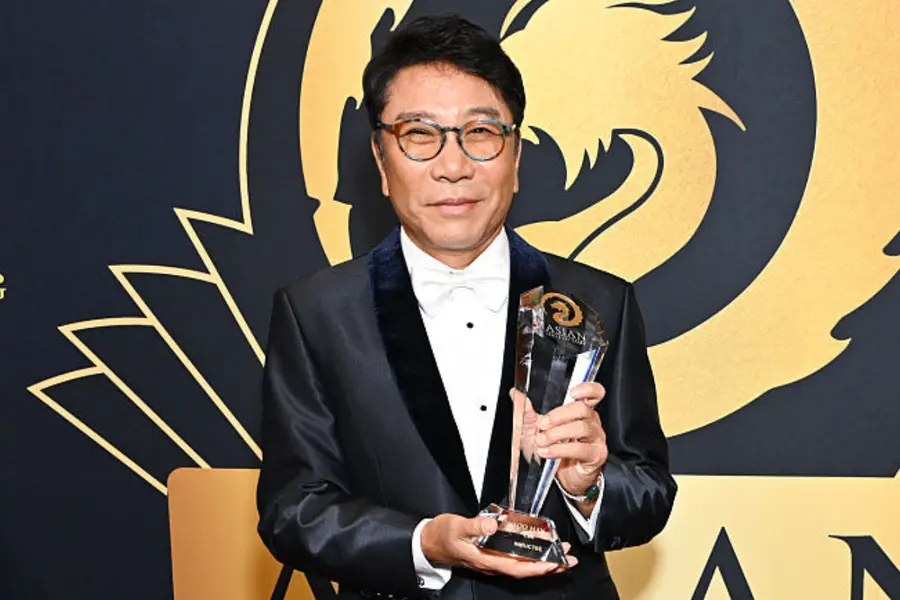
Seoul: Lee Soo Man, the founder of SM Entertainment and one of the most influential figures in the global K-pop movement, says he initially resisted being called the “King of K-pop.”
The title sounded “too brash, too nightclub-esque,” he said, recalling how he suggested an alternative.
Also Read

“I asked them, couldn’t it be ‘Father of K-pop’?” the 73-year-old told The Associated Press in a recent interview, referring to the title of Amazon Prime’s documentary on his life and work.
However, producers believed the stronger phrase would appeal more to Western audiences. “I had to follow their decision,” he said.
This compromise mirrors Lee’s decades-long pragmatic strategy to bring South Korean pop into the global mainstream—especially the American music industry. On Saturday, he is set to be inducted into the Asian Hall of Fame, joining icons like Yao Ming, Michelle Kwan, and Yoshiki.
Architect of K-pop
Lee founded SM Entertainment in 1995, creating the training system that shaped idols like BoA, TVXQ, Girls’ Generation, EXO, and aespa. Trainees, many recruited at elementary-school age, underwent years of rigorous preparation.
But this system drew criticism. Some artists fought legal battles against SM, claiming unfair contracts. Despite this, Lee remains a pivotal figure in shaping K-pop’s global identity.
This recognition comes after Lee’s high-profile exit from SM Entertainment earlier this year following a public management feud and a corporate takeover battle.
Since then, he has launched a new group, A2O MAY, in China and the U.S., and has invested in tech-driven content production in Asia.
‘K-pop is now a global language’
For Lee, the Hall of Fame honour reflects a cultural shift.
“It confirms that K-pop has become a genre that the mainstream is now paying attention to,” he said.
His ambition to enter the U.S. market dates back to 2009 when SM invested USD 5 million in BoA’s American debut, “Eat You Up.” But he admits the timing was premature. With few Asian artists in American pop culture then, the attempt failed.
Lee pioneered the fusion of European songwriting, Asian performance styles, and American production — the DNA of modern K-pop.
“I once heard a song that was so good I couldn't let it go,” he said, referring to “Dreams Come True” for 90s girl group S.E.S. “I wanted to play it safe, so I found the Finnish address, went to meet the songwriter directly, wrote up a contract, and brought it back.”
He also helped introduce “worldviews” — elaborate fictional universes around idol groups like EXO and aespa.
“How do we express dramatic, cinematic elements in such a short time?,” he said, describing how three-minute music videos evolved into long-running narratives, much like the Marvel universe.
On China, politics and the future of pop
Asked whether China’s tightening control over pop culture or its criticism of “effeminate” male idols posed risks, Lee shrugged off concerns.
“Political risk? I don’t really know much about that,” he said.
He believes South Korea should become a “country of producers.”
“Korea should become the country of producers,” he said. “Culturally, does China need what we do? I believe they do.”
The documentary also addresses the suicides of K-pop stars. He blames unchecked online abuse.
He called for global cooperation in regulating malicious anonymous comments: “Shouldn't there be worldwide standards on user verification and mediation systems?”
But he insists the media should not dwell only on the negatives.
“Rather than just discussing the dark side and dragging us down by clinging to the past, shouldn't we talk more about the future?” he asked.
After more than 30 years in the industry, his definition of K-pop remains simple: “K-pop is a new language of communication that transcends barriers. These languages move around naturally — what you can't stop is culture.”
Published: 02 Nov 2025, 06:12 pm IST
Related Topics
Disclaimer: Kindly avoid objectionable, derogatory, unlawful and lewd comments, while responding to reports. Such comments are punishable under cyber laws. Please keep away from personal attacks. The opinions expressed here are the personal opinions of readers and not that of Mathrubhumi.