
Actor Manoj Bajpayee has responded to the controversy surrounding the title of his upcoming Netflix series ‘Ghooskhor Pandat’, stating that the project is “not about any community” even as legal complaints and public criticism continue to mount.
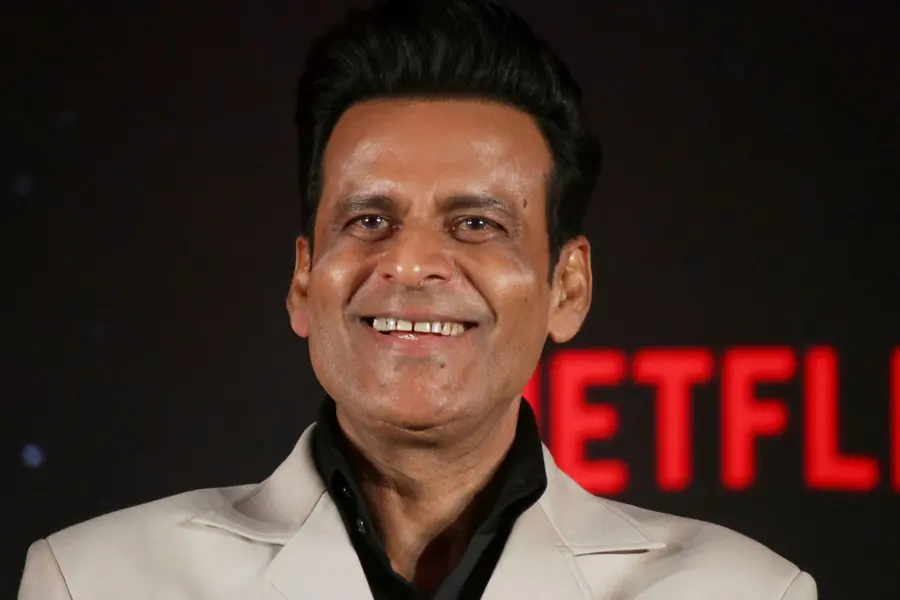
Actor Manoj Bajpayee’s response to the escalating controversy around the upcoming Netflix series 'Ghooskhor Pandat' has emerged as the central peg of a debate that now stretches beyond a disputed title to questions of creative intent, interpretation, and cultural sensitivity in India’s OTT space.
Breaking his silence amid legal complaints and social media outrage, Bajpayee categorically stated that 'Ghooskhor Pandat' “is not about any community,” underlining that the project does not target or portray any caste, religion, or social group.
Also Read

His statement, shared publicly, came at a moment when the series was already facing petitions in court, police complaints, and calls for a boycott over allegations that the title associates a caste-linked term with corruption.
The actor’s intervention has effectively reframed the controversy. Until then, the debate had largely centred on the semantics of the title and whether its wording could be seen as offensive.
Bajpayee’s response shifted attention to the intention behind the character and narrative, emphasising that the series is a fictional crime drama focused on an individual’s moral flaws rather than a commentary on any community.
According to those associated with the project, the character nicknamed “Pandat” is not meant to represent a social group but serves as a storytelling device within a larger narrative about power, corruption, and conscience.
Bajpayee echoed this view, stressing that his decision to take on the role was driven by the complexity of the character and the story, not by any desire to provoke or offend.
The controversy nonetheless intensified in the days leading up to and following his statement. Legal notices were sent to the makers, and a petition seeking a stay on the series’ release was moved in the Delhi High Court.
In Uttar Pradesh, an FIR was also registered against members of the production team, including director Neeraj Pandey, adding a legal dimension to what began as an online backlash.
In response to the growing tension, the makers temporarily withdrew promotional material from public platforms, signalling a willingness to acknowledge hurt sentiments while maintaining that the series itself does not carry a communal or caste-based message.
Netflix, which is backing the project, has not announced any change in the release plan so far, though the situation continues to be closely watched.
Cultural observers say Bajpayee’s statement is significant because it places responsibility back on interpretation rather than intent. In an era where titles, dialogues, and character names are scrutinised instantly and at scale, his response highlights the fragile line between creative freedom and public perception.
As the debate continues, 'Ghooskhor Pandat' has become more than just another crime drama in the streaming pipeline.
With Bajpayee’s response now at the centre of the discourse, the controversy stands as a test case for how Indian creators, platforms, and audiences negotiate offence, expression, and intent in an increasingly charged cultural climate.
What is the controversy about?
The controversy around ‘Ghooskhor Pandat’ centres on objections to the title of the upcoming Netflix series starring Manoj Bajpayee.
Critics argue that the use of the word “Pandat”, which is colloquially linked to a caste identity, when paired with “Ghooskhor” (meaning corrupt or bribe-taker), unfairly associates a community with corruption.
This triggered widespread backlash on social media, followed by legal notices and an FIR against the makers, including director Neeraj Pandey. A petition was also filed in the Delhi High Court seeking a stay on the series’ release.
Published: 06 Feb 2026, 01:02 pm IST
Related Topics
Disclaimer: Kindly avoid objectionable, derogatory, unlawful and lewd comments, while responding to reports. Such comments are punishable under cyber laws. Please keep away from personal attacks. The opinions expressed here are the personal opinions of readers and not that of Mathrubhumi.