
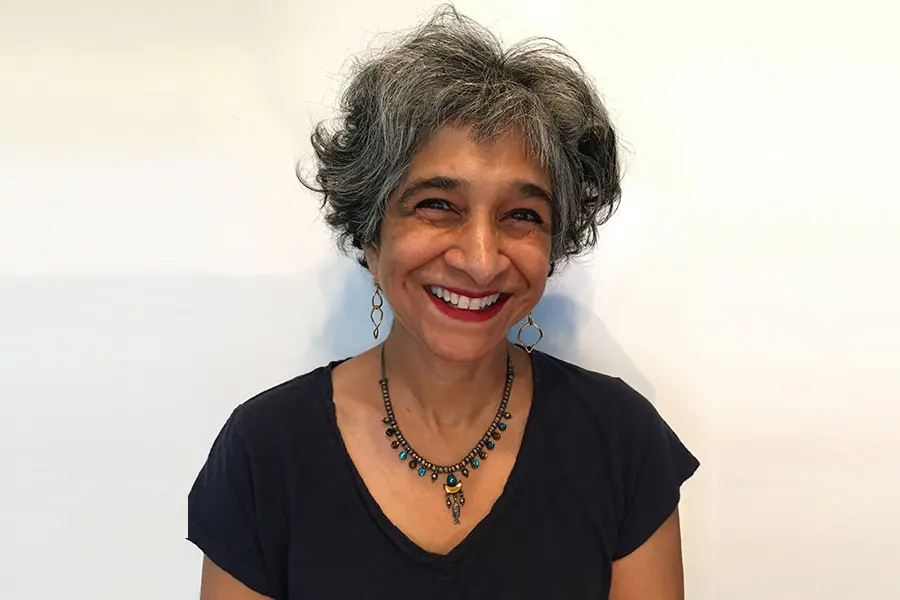
A rape survivor at 16, Sohaila Abdulali is arriving at Mathrubhumi International Festival of Letters to share the pain she suffered all these years. Excerpts from her talk with K. A. Johny…
Patriarchy has had its vicious grip over the political, social and economic transformations in India. Thus it has been successful to keep the majority of women in this nation marginalised. Do you see any silver lining across the horizon?
Depends on what day you ask! Things are grim for women BUT I know that Indian women, and many men too, are very strong and determined to change things. I think the silver lining is women ourselves, and also the fact that we are talking about these things more than ever.
You have had interactions with many victims of rape from different parts of the world. Do you think the economically developed world has a different story to tell when it comes to rape?
Every place is different in some ways - culture, economics, access to medical care and legal justice - but one thing is exactly the same wherever you look: it is never easy for anyone who is raped. In its own way, every culture seems to be very good at making victims feel like criminals, or at least at disregarding their needs. So yes, there are different stories, but all of them have some common depressing themes.
Five decades have passed since Germaine Greer wrote ' The Female Eunuch '. Prof Greer has been vociferous about how the patriarchy use rape as a weapon to frighten the women. Do you think that not much have changed as far as the stigma around rape is concerned?
Again, some things have changed. Now, we at least acknowledge the existence of rape. But is there less rape? I don't think so.
What is your take on the new law enacted by the Indian government that stipulates capital punishment for child rapists?
I am strongly opposed to capital punishment in any form, for anyone. As for hanging rapists, it just seems stupid to assume that this will change anything, except make a statement that we are a barbaric society.
Gender Crimes against women have multiple dimensions but one common thread has always been the dominant presence of patriarchy. And patriarchy is deeply rooted in the caste system in India. Do you think that the fight is harder for a rape victim from the suppressed castes?
Yes, of course. Rape doesn't happen in a vacuum. If you're disenfranchised in other ways, that will affect both what happens to you and the choices you have in dealing with it. But as far as individual responses go, then it doesn't matter what caste or creed you are: the way your family treats you depend on their innate decency, not their caste.
Published: 29 Jan 2019, 01:02 pm IST
Related Topics
Disclaimer: Kindly avoid objectionable, derogatory, unlawful and lewd comments, while responding to reports. Such comments are punishable under cyber laws. Please keep away from personal attacks. The opinions expressed here are the personal opinions of readers and not that of Mathrubhumi.
