
It is beneficial to choose the best two wheeler insurance and assess whether the vehicle is suitable for comprehensive bike insurance
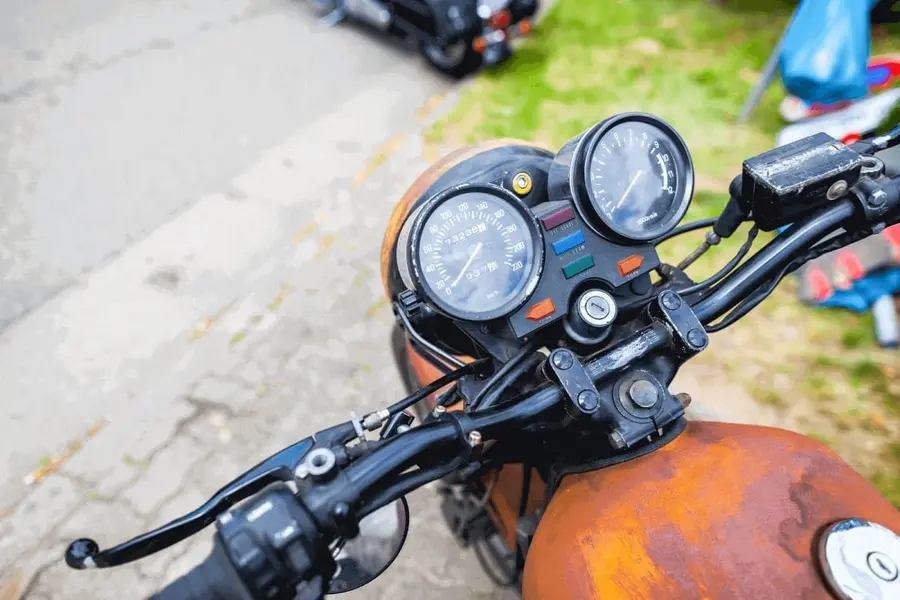
Purchasing a second-hand bike, especially in India, is a cost-effective and, in some cases, a more prefered alternative to purchasing a new vehicle for a lot of bike riders. However, the journey does not end with the transfer of ownership and the delivery of the keys. The bike has a history, and the owner must ensure that the documentation is in place.
There are many instances in which second-hand bike owners are unaware of the most important step after purchasing a second-hand bike - getting a two wheeler insurance policy.
The following tips will help a second-hand bike rider understand what to follow.
1. Verification of ownership transfer and insurance
After purchasing a second-hand bike, the new owner must now transfer its ownership through the Regional Transport Office. The Registration Certificate needs to be updated with the name of the new owner.
Update the bike's insurance details. Transfer the insurance if the previous owner had taken insurance for the bike. This step will ensure the bike is legally insured as per the Motor Vehicles Act.
2. Upgrading to comprehensive bike insurance coverage
Second-hand bikes come with wear and tear compared to new bikes that are relatively untouched. This is the reason why one may not get sufficient protection from basic third-party insurance only.
Purchasing a comprehensive bike insurance policy helps you get coverage from both third-party liabilities and damages resulting from:
•Unexpected events
•Accidents
•Natural disasters
•Theft
3. Evaluate the bike’s condition before renewing two wheeler insurance
The following can help assess the overall condition of the vehicle:
•Engine performance and unusual noise
•Brake efficiency and tyre condition
•Signs of major accident repairs
•Electrical components and battery health
Insurers may also evaluate these factors when determining the Insured Declared Value or policy terms.
4. Understand factors that affect insurance premiums
Insurance costs for used bikes are influenced by factors that can help owners make better coverage decisions:
| Factor | How does it affect two wheeler insurance |
| Age of the bike | Older bikes may have a lower insured declared value |
| Engine capacity | Higher engine capacity bikes may have different premium calculations |
| Location of registration | Areas with higher traffic density may impact risk evaluation |
| Add-on options | Optional covers, such as zero depreciation cover, may increase the premium amount |
5. Keep documents organised and updated
Always maintain proper documentation for dealing with legal processes, such as filing claims, etc. Second-hand bike owners must maintain:
•Updated Registration Certificate
•Valid driving licence
•Active two wheeler insurance policy
•Pollution Under Control certificate
•Previous service records, if available
By keeping the documents organised, one can avoid any hassles while the bike is checked in traffic or while making an insurance claim.
6. Maintenance of the bike
Regular maintenance of the bike is an important factor that helps when making two wheeler insurance claims. Servicing the bike at regular intervals helps keep the bike in good working condition.
It also helps in the early detection of issues that may crop up with the bike. Moreover, maintenance helps in the long-term survival of the bike. Insurance claims also require the bike to have been serviced regularly.
Responsibilities of second-hand bike owners
Before owning a second-hand bike, one should also take into account the documentation, maintenance, and insurance. It is one of the biggest responsibilities for all second-hand bike owners to complete the ownership of the vehicle, assess the condition of the vehicle, and maintain the documents of the vehicle.
It is beneficial to choose the best two wheeler insurance and assess whether the vehicle is suitable for comprehensive bike insurance. Follow these tips to maintain the second-hand vehicle well.
Published: 29 May 2026, 04:58 pm IST
Related Topics
Disclaimer: Kindly avoid objectionable, derogatory, unlawful and lewd comments, while responding to reports. Such comments are punishable under cyber laws. Please keep away from personal attacks. The opinions expressed here are the personal opinions of readers and not that of Mathrubhumi.
