
Make sure your cover continues without a gap throughout the entire switching process.
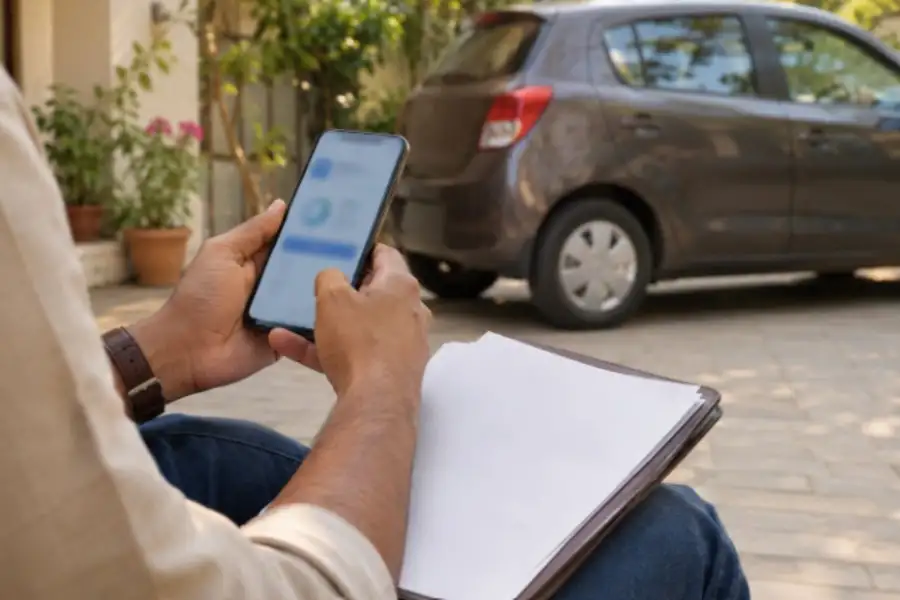
You can change your car insurer before your current policy expires, but you need to follow the right steps. If you want to switch insurers mid-policy, check what cover you have and whether it can be cancelled. Digital policy copies and online vehicle records make it easier to confirm insurance dates, policy details and past claims.
However, a new policy does not automatically replace the old one. Make sure your cover continues without a gap throughout the entire switching process.
Can You Change Insurers Before Your Policy Expires?
Yes, but the type of cover matters. Indian insurance rules allow retail policyholders to request cancellation during the policy term. That does not mean every part of a motor policy can simply be stopped.
Before changing your car insurance, check whether you have a comprehensive policy, standalone own-damage cover or a longer-term third-party policy. The answer affects what you can replace and which documents your current insurer may ask for.
Check Which Cover You Need to Replace
Own-damage cover pays for eligible damage to your own vehicle. You can ask about cancelling this cover and buying it from another insurer, subject to the applicable terms. Third party car insurance is compulsory for vehicles used on Indian roads.
The existing statutory third-party portion generally cannot be cancelled unless there is double insurance or a total loss. If you have a long-term third-party policy, you may be able to change only your own-damage insurer while keeping that policy active. Do not assume a fresh quotation automatically replaces your existing cover.
How Digital Records Help With Verification
You no longer need to depend on a paper policy kept in your glovebox.
Several useful details can be checked online:
-
Policy PDF: Find the insurer's name, cover dates, vehicle number and policy type in your emailed copy or customer account.
-
DigiLocker: Keep an accessible digital copy of your insurance document for reference.
-
mParivahan: Check the insurance validity shown against your vehicle registration. This does not show every benefit or exclusion.
-
Claim and renewal records: Keep previous policy schedules, claim correspondence and no-claim bonus proof ready for the new insurer.
Online records do not always update immediately. If a portal shows an old expiry date, check the policy issued by your insurer and contact its support team to confirm the correct status before proceeding.
These records reduce repeated paperwork. They do not cancel an old policy or guarantee acceptance by a new insurer.
Steps to Switch Without Leaving a Coverage Gap
Before switching insurers, check your existing policy details and new cover dates. Follow these simple steps to avoid coverage gaps.
-
Read your policy: Note the expiry date and whether third-party cover runs longer than own-damage cover.
-
Compare the new offer: Check the insured declared value, deductibles, exclusions, add-ons and garage network, not just the premium.
-
Ask about cancellation: Contact your current insurer to confirm the process, required proof and any refund.
-
Buy the replacement cover: Make sure its start date fits your existing protection and provides any legally required third-party cover.
-
Request cancellation: Submit the documents requested by the old insurer and keep its written acknowledgement.
-
Verify the update: Save the new policy and check the details once the insurer has issued it. Ask for correction if the vehicle number or dates are wrong.
If the new insurer requests a vehicle inspection, complete it before relying on any own-damage protection under that policy.
Will You Get a Refund or Keep Your No-Claim Bonus?
For a policy lasting up to one year, a proportionate refund for the unused period generally applies when no claim has been made. Longer policies have different rules, including refunds for policy years where cover has not started. Third-party cancellation restrictions still apply.
Your no-claim bonus can usually move to another insurer if you are eligible. It applies to own-damage premiums, not the third-party portion. Ask for proof of your claim-free history rather than assuming the discount will appear automatically.
Final Thoughts
Switching insurers mid-policy is possible, but you need to follow the correct process. Check your existing car insurance details, compare the new policy and make sure there is no gap in coverage. Digital records help you verify policy dates, claim history and other important information. Always get confirmation from your insurer before cancelling your existing policy to avoid problems with coverage or future claims.
Published: 10 Nov 2026, 01:20 pm IST


Disclaimer: Kindly avoid objectionable, derogatory, unlawful and lewd comments, while responding to reports. Such comments are punishable under cyber laws. Please keep away from personal attacks. The opinions expressed here are the personal opinions of readers and not that of Mathrubhumi.
