
Making yoga part of your lifestyle can help with managing stress to effectively lose weight
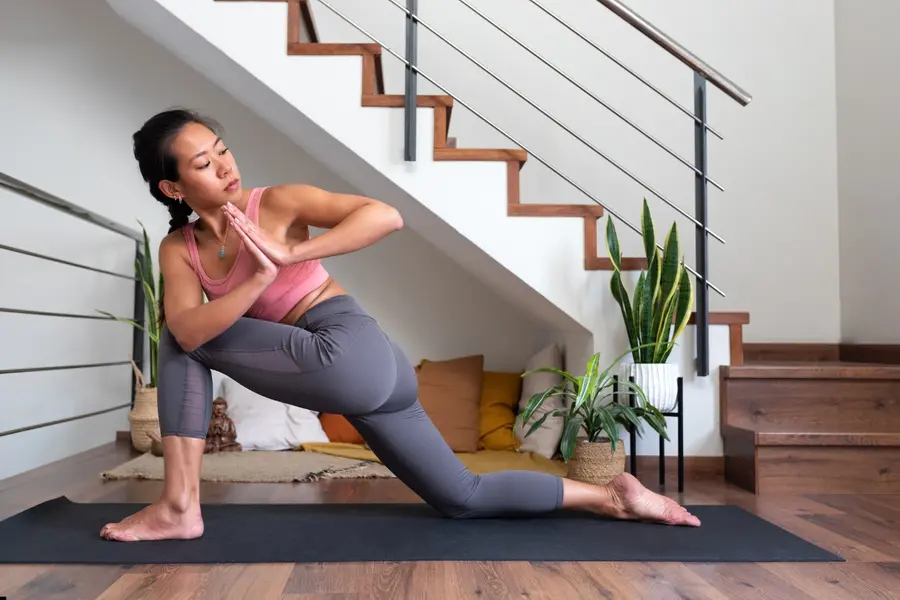
Unrealistic beauty standards, health issues, and too much information at our fingertips can make weight loss feel stressful and intimidating. But yoga might be the simple solution you’ve been looking for. Whether you join an online class and practice at home or exercise with a supportive group, starting daily yoga can help keep obesity and many lifestyle-related illnesses at bay. This International Yoga Day, why not try adding yoga to your daily routine?
Sun salutation (Surya namaskara)
Perhaps the best-known of all yogasanas, the surya namaskara is a sequence of 12 steps:
- Pranamasana - Stand straight at one edge of the yoga mat with your feet close to each other and palms together as if in prayer.
- Padahastasana - Inhale deeply, lift both your arms, and reach upwards with your hands, enabling a full body stretch. As you exhale, bend forward and touch your toes. You can bend your knees if necessary, but keep your palms intact.
- Ashwa Sanchalanasana- Inhale and push your right leg backwards as much as possible. Let the right knee touch the ground and keep the left knee bent with the left foot placed firmly on the floor.
- Dandasana - Inhale, take the left leg back so that your whole body becomes straight. Try to keep your arms perpendicular to the floor, with shoulder distance between them.
- Ashtanga Namaskara - Exhale and gently lower your knees to the floor. Slide forward, touching your chin and chest on the floor. Push your buttocks upwards so that now it is only the chin, hands, chest, knees, and feet that touch the floor while the posterior remains lifted.
- Bhujangasana - Slide forward again and lift your chest upward like a cobra. Keep the shoulders relaxed and away from your ears while looking upwards.
- Adho Mukha Svanasana - Keeping your feet and hands firmly planted on the ground, raise your hips up so that your body forms an inverted ‘V’.
- Ashwa Sanchalanasana - Inhale and bring your right foot to rest between your hands while the left knee is on the floor. Push the hips downward and gaze at the ceiling.
Finish the sequence with Padahastasana and Pranamasana. Repeat the sequence as many times as possible, starting with Ashwa Sanchalanasana with alternate legs.
Practising surya namaskar every morning can improve overall health and flexibility by enhancing immune system function, engaging a range of muscles, and improving cognition.
Boat pose (Paripurna Navasana)
The boat pose strengthens both the spine and core muscles.
Lie flat on your back on the floor with your arms by your sides and feet close together.
Take a deep breath in and as you exhale, lift your legs off the floor and extend your hands towards your feet, forming a boat shape with your body. Your eyeline, hands, and toes would form a straight line.
Keep breathing deeply and hold the position for as long as possible.
Best practised on an empty stomach, the boat pose is a great way to strengthen your abdominal muscles as well as the hips, thighs, and upper arms. It also improves digestion. Avoid practising this pose when pregnant or if you have a spinal injury.
Plank pose (Phalakasana/ Ardha Chathuranga Dandasana)
The plank pose engages the core muscles and straightens the spine.
Stand on all fours, with your wrists placed on the floor, fingers extending forward, right beneath the shoulders and knees parallel to your hips.
Lift up your legs with only the toes touching the floor and move your hip forward. Keep your legs and arms straight. Gaze toward the front of the mat.
The plank pose greatly strengthens the arms and shoulders as well as the core muscles, improving core stability. However, avoid it if you have any injuries in the wrists, arms, shoulders, ankles, or feet.
Bridge pose (Sethubandhasana)
Sethubandhasana strengthens the back muscles, buttocks, and thighs. It also opens up the neck and chest.
Lie flat on the floor with your arms by your side. Bend your knees, keeping your feet on the floor at shoulder width.
Breathe in and raise your hips up, keeping your head, neck, shoulders, and feet touching the floor. You can use your hands to lift your back or place them down on the floor.
Hold the position for a few minutes and slowly lower the body as you breathe out.
The bridge pose can help improve your posture, strengthen the joints, thereby reducing the risk of conditions like osteoporosis, and provide relief from lower back pain.
Chair pose (Utkatasana)
This is a standing pose that mainly strengthens the lower body.
Stand upright with your feet apart at hip width. Bend your knees and raise your arms parallel to the floor, palms facing downward. Keep the spine erect. Pretend you are sitting in a chair, at your desk, doing something you do as part of your daily routine, so that you feel comfortable in this position. Hold the position for a few minutes, breathing normally, and then stand up straight again.
The chair pose, though challenging, can improve lower body strength and stability as well as posture and flexibility. It is also known to enhance cardiovascular health.
Patience and consistency are key factors
Practising yoga regularly is a great way to lose weight since doing yogasanas mindfully helps improve focus and become more aware of your body. All the above asanas can help with weight loss since they engage the core muscles and provide stress relief. Stress produces cortisol in the body, which is a major reason for abdominal fat and inability to lose weight. Managing stress effectively is key in today’s world, where social media and daily pressures increase it constantly.
Remember, everyone’s body is different. Stay patient and consistent, aiming for sustainable progress rather than quick fixes that can discourage you.
Compiled by: Aiswarya R
(Disclaimer: If you have a medical condition, injury, or are pregnant, please consult a qualified yoga instructor or your healthcare provider before starting these poses.)
Published: 20 Jun 2025, 09:20 pm IST
Related Topics
Disclaimer: Kindly avoid objectionable, derogatory, unlawful and lewd comments, while responding to reports. Such comments are punishable under cyber laws. Please keep away from personal attacks. The opinions expressed here are the personal opinions of readers and not that of Mathrubhumi.
