
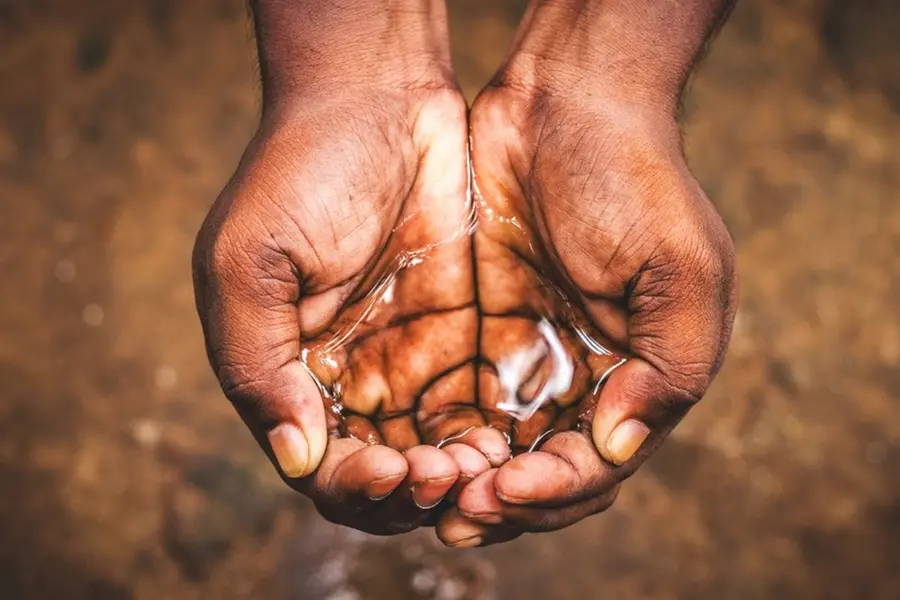
Water is essential for life, yet millions across the world struggle with access to clean water. This World Water Day, the United Nations is focusing on glacier preservation, highlighting how climate change is rapidly melting Earth's frozen water reservoirs, affecting nearly two billion people. But beyond melting glaciers, our daily water habits also play a crucial role in conservation and sustainability.
On World Water Day 2025, the United Nations is focusing on glacier preservation, as climate change continues to melt Earth’s frozen water reserves, affecting nearly two billion people. While melting glaciers pose a long-term threat to freshwater availability, our daily water habits also contribute to wastage and scarcity. Here’s why every drop counts and how you can play a role in water
Are you water conscious?
Many of us take running water for granted, often unaware of how much we consume in daily activities. According to the Central Ground Water Authority, an average person in India needs 135 litres of water per day for essential activities like drinking, cooking, and sanitation. However, habits like long showers, leaking taps, and excessive washing contribute to wastage, while many communities survive on much less.
Hidden water consumption in everyday items
Water usage isn’t just about drinking or bathing—it’s embedded in everything we consume. The production of:
- 1 kg of wheat requires 1,158 litres of water
- A pair of jeans consumes 3,781 litres of water
- A smartphone requires 12,760 litres of water
- A single A4 sheet uses 5-10 litres of water
Before making unnecessary purchases, take a moment to think about the hidden water footprint behind everyday products.
The water crisis in India
According to a NITI Aayog report, nearly 600 million Indians face extreme water stress, with major cities like Delhi, Bengaluru, and Chennai already experiencing acute shortages. Over 200,000 people die annually due to a lack of access to clean water. As demand continues to rise, the situation is only expected to worsen.
There are small but impactful ways to reduce water wastage:
- Fix leaking taps—a single dripping tap can waste up to 3,000 litres per year
- Take shorter showers—reducing shower time by 5 minutes can save over 50 litres
- Use water-efficient appliances like low-flow toilets and washing machines
- Opt for rainwater harvesting to collect and reuse water
- Raise awareness—educate your family and community on water conservation
The bigger picture: Ensuring water for future generations
In 2010, the United Nations recognized access to water and sanitation as a human right, yet 4.2 billion people globally still lack safe sanitation services. In water-scarce regions, the burden often falls on women and girls, who walk miles daily to fetch water, impacting education and well-being.
Initiatives like the Jal Shakti Abhiyan, National Water Mission, and WWF Waterschools in Pune aim to preserve water resources and promote awareness. More schools are integrating Water, Sanitation, and Hygiene (WASH) clubs, ensuring students become part of sustainable water practices from a young age.
Small, consistent actions can create big changes. Whether it’s being mindful of personal consumption, advocating for better water management, or supporting conservation initiatives, every drop saved is a step towards a sustainable future.
This World Water Day, take a moment to reflect on your water footprint—because in the fight against global water scarcity, every action matters.
Published: 22 Mar 2025, 12:03 pm IST
Related Topics
Disclaimer: Kindly avoid objectionable, derogatory, unlawful and lewd comments, while responding to reports. Such comments are punishable under cyber laws. Please keep away from personal attacks. The opinions expressed here are the personal opinions of readers and not that of Mathrubhumi.
