
Supreme Court partially allows woman’s claim for a bad haircut, awarding her compensation while rejecting the full amount sought.
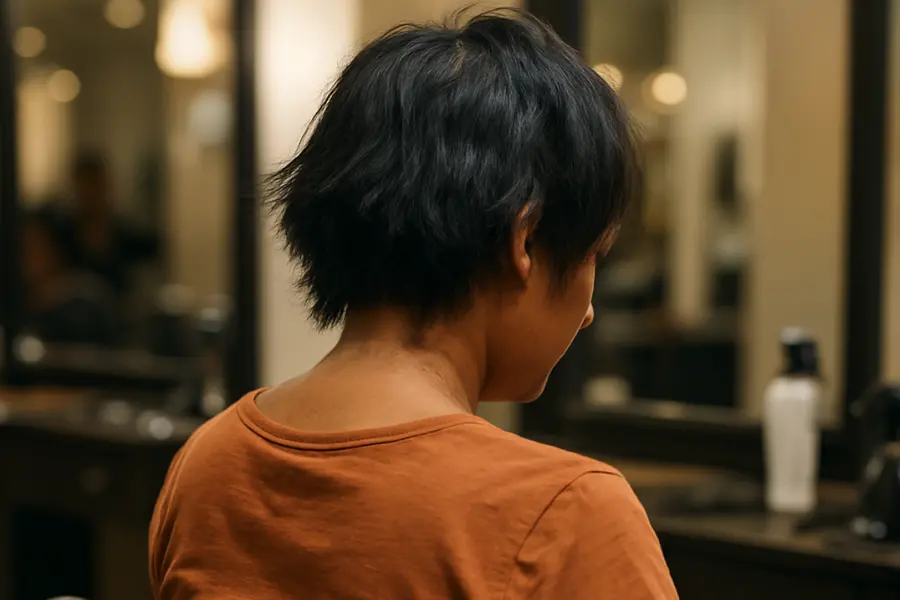
New Delhi: The Supreme Court of India partly allowed the appeal of a woman who had sought ₹5.2 crore in compensation from a five-star hotel salon for a botched haircut, awarding her ₹25 lakh instead. The court emphasised that compensation for deficiency in service must be supported by reliable evidence, not assumptions.
Background of the case
The dispute arose after the woman visited the hotel salon on April 12, 2018, where her haircut was allegedly cut too short. Unhappy with the result, she filed a complaint with the Consumer Commission in July 2018.
In September 2021, the Commission found the salon guilty of service deficiency and awarded her ₹2 crore. The hotel appealed to the Supreme Court, which remanded the case for reassessment. Following the remand, the woman increased her claim to ₹5.2 crore, citing loss of confidence, missed career opportunities in modelling and films, and depression.
Despite presenting photocopies of documents and affidavits, she failed to provide verifiable evidence of actual financial loss. The salon argued she had not submitted income tax returns or summoned employers and casting agencies to substantiate her claims.
Also Read| After Hanumankind, Nihal Hameed becomes second Malayali followed by Instagram
Supreme Court’s analysis
In its judgement (2026 INSC 135), the Supreme Court noted:
- Photocopies of documents without authentication or cross-examination do not constitute reliable evidence.
- Claims for damages, especially in crore-range compensation, require trustworthy proof of actual loss.
- The Consumer Commission erred in awarding ₹2 crore based solely on assumptions or unverified documents.
The court observed that the woman represented herself and refused free legal aid but failed to substantiate how the haircut directly caused her alleged career losses or financial harm.
Also read| Women’s Day 2026: Kerala Postal Circle launches ‘Omana Makal’ reel contest with daily prizes
Verdict
The Supreme Court partially allowed her appeal, restricting the compensation to ₹25 lakh, which the salon had previously deposited in court. The ruling underlines that service deficiency compensation must be evidence-based, and claims cannot be granted solely on the complainant’s assertions.
This verdict sets a precedent for consumer protection cases, emphasising the need for verifiable documentation and proof of actual financial or emotional loss in high-value compensation claims.
Published: 05 Mar 2026, 11:02 am IST
Disclaimer: Kindly avoid objectionable, derogatory, unlawful and lewd comments, while responding to reports. Such comments are punishable under cyber laws. Please keep away from personal attacks. The opinions expressed here are the personal opinions of readers and not that of Mathrubhumi.
