
From cleaning up his diet after years of poor eating habits to following a smart, balanced training routine focused on agility and recovery, here’s a closer look at what Messi eats and how he trains to stay fit and injury-free
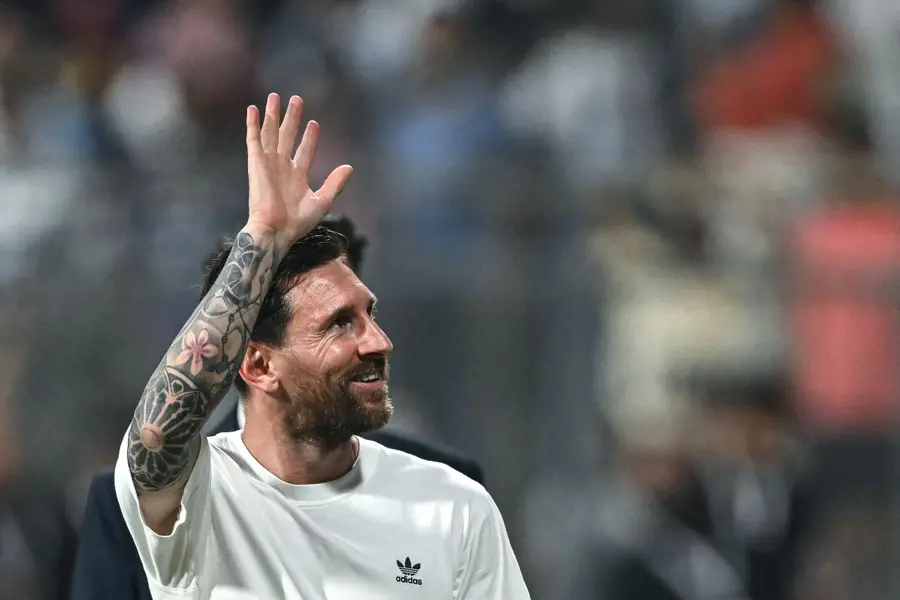
As Lionel Messi prepares to arrive in Delhi on December 15 as part of his much-anticipated GOAT Tour in India, fans are not just excited to see the football legend in person. Many are equally curious about how the Argentine icon continues to stay fit, agile and injury-free after years of elite-level football.
Did Messi always follow a strict fitness routine?
Messi’s approach to health and fitness was not always as disciplined as it is today. Early in his career, the footballer paid little attention to what he ate. This casual relationship with food later became a concern, especially as the physical demands of professional football increased.
Following Argentina’s disappointing 2013–14 World Cup campaign, there was a noticeable shift in Messi’s performance. Many attributed this improvement to changes he made off the pitch, particularly when it came to nutrition.
Former Barcelona coach Charly Rexach later revealed that Messi had previously consumed too many pizzas, highlighting how poor dietary habits were affecting his body.
What exactly was wrong with Messi’s old diet?
Messi himself later acknowledged that his eating habits in his early twenties were far from ideal. He explained in a television interview that for many years he ate badly, regularly consuming chocolate, alfajores, which are South American filled cookies, and fizzy drinks.
This unhealthy diet took a toll on his body. He reportedly suffered from nausea, vomiting and frequent lethargy, issues that began to interfere with his performance and recovery.
Who helped Messi turn his health around?
The turning point came in 2014, when nutritionist Giuliano Poser stepped in to help Messi overhaul his eating habits. The changes were not about following a fancy or extreme diet, but about adopting a more controlled and thoughtful approach to food.
Poser structured Messi’s nutrition around five key pillars: water, olive oil, whole grains, fruits and vegetables. This simple yet effective framework helped reduce inflammation and supported faster muscle recovery.
Messi later explained that he now eats a balanced and well-organised diet that includes fish, meat, vegetables and salads. He also mentioned that occasional wine is not an issue, as long as everything else is taken care of properly.
Is Messi’s fitness built in the gym?
Despite his incredible strength and endurance, Messi’s fitness is not the result of heavy weightlifting. Instead, his training focuses on a balanced mix of strength work, agility drills, speed training, extensive stretching and maintaining overall muscle health.
His routine includes short, sharp sprints, bounding exercises such as hurdle hops, and pillar skips. These movements help improve explosive power and coordination, which are essential for his playing style.
Above all, Messi’s workouts are designed to ensure his body remains quick, responsive and match-ready, rather than bulky.
Why does Messi’s routine still matter today?
Even as he travels across India meeting fans in Mumbai, Kolkata, Delhi and Hyderabad, Messi’s approach to fitness remains a key reason he continues to perform at the highest level.
His journey shows that small but consistent lifestyle changes, especially around diet and recovery, can make a lasting difference. It is a reminder that staying fit is not about extremes, but about understanding what your body needs and taking care of it over time.
Published: 15 Dec 2025, 03:02 pm IST
Related Topics
Disclaimer: Kindly avoid objectionable, derogatory, unlawful and lewd comments, while responding to reports. Such comments are punishable under cyber laws. Please keep away from personal attacks. The opinions expressed here are the personal opinions of readers and not that of Mathrubhumi.
