

From coffees and pastries to skincare minis and midnight snack runs, “little treat culture” has become one of the internet’s most relatable coping mechanisms
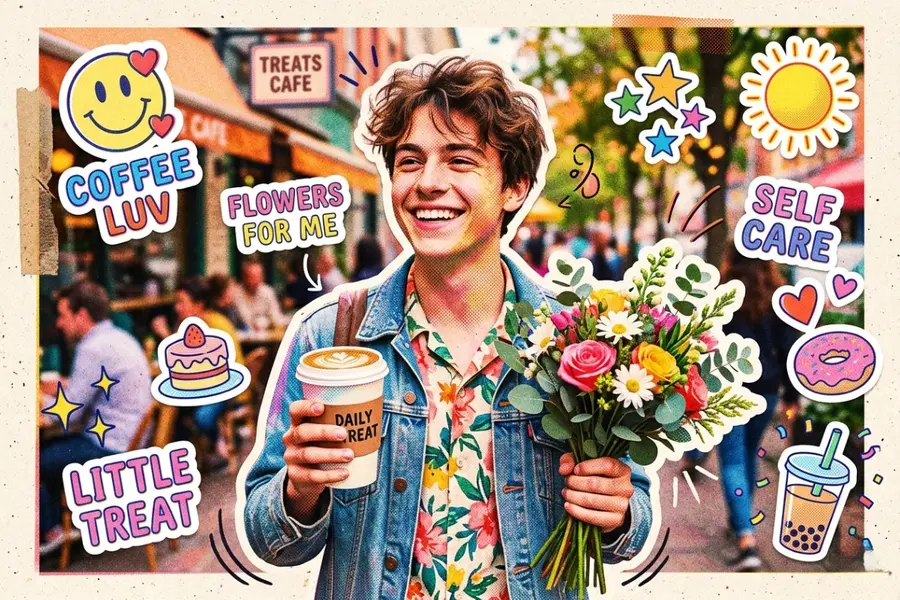
A coffee before work. A late-night ice cream order. A cute keychain added to the cart at 1 am. An overpriced pastry after a bad meeting. A tiny skincare product bought purely because the packaging looked comforting.
Across social media, especially among Gen Z and young millennials, these small purchases are now being called “little treats”. What started as an internet joke has slowly turned into a full-blown lifestyle culture.
And for many people, these tiny rewards have become less about spending money and more about emotional survival.
What exactly is “little treat culture”?
Little treat culture revolves around giving yourself small rewards during stressful, exhausting or emotionally draining days.
Unlike luxury shopping or major retail therapy, these are usually inexpensive, low-stakes purchases that provide quick comfort or happiness.
For some people, a little treat could mean grabbing a bubble tea after work, ordering fries during a stressful study session, buying a new lip balm, or picking up cute stationery, candles or stickers simply because they feel comforting. For others, it could be an iced latte before a difficult day or a solo dessert run after emotional burnout.
The logic behind the trend is simple. Life feels difficult and overwhelming, so people create tiny moments of happiness wherever they can.
Online, phrases like “I deserve a little treat” have now become almost a coping mechanism for stressful modern life.
Why this trend exploded after the pandemic
Psychologists and culture writers often connect little treat culture to post-pandemic burnout and rising stress levels.
After years of uncertainty, isolation, financial anxiety and emotional exhaustion, many people started searching for smaller and more manageable forms of comfort instead of waiting for expensive holidays or major life milestones.
A Rs 200 coffee feels easier to justify than a luxury shopping spree. A small dessert feels emotionally simpler than planning a full self-care weekend.
For younger people especially, little treats became a way to create softness and control within increasingly stressful routines.
Social media made tiny indulgences feel emotionally important
Platforms like TikTok and Instagram played a major role in romanticising small pleasures.
Suddenly, ordinary routines started being framed as “main character moments”. Buying flowers for yourself, drinking iced coffee while walking home, opening cute snacks after work or rewarding yourself for completing basic daily tasks all became aesthetic and emotionally meaningful online experiences.
The internet transformed everyday consumption into emotional storytelling.
Even phrases like “Today was awful, so I got myself a little treat”, “My mental health drink”, or “Tiny reward for surviving adulthood” became widely relatable across social media.
Why small treats feel psychologically comforting
Experts say little treats work because the brain naturally responds positively to small rewards.
Even tiny pleasurable experiences can trigger dopamine release, creating brief moments of emotional relief, comfort and motivation.
In lifestyles filled with deadlines, financial stress, social pressure and constant digital stimulation, these tiny rewards can help interrupt emotional monotony.
Importantly, little treat culture is often less about the actual product and more about the emotional ritual behind it.
A simple coffee feels different when it symbolises taking a break, caring for yourself, surviving a difficult day or creating a moment of calm during chaos.
That emotional meaning is what makes these habits feel comforting and personal.
Why food dominates little treat culture
Food has become one of the biggest parts of the trend because it offers instant emotional satisfaction.
This is why social media is filled with “sweet treat after crying” jokes, comfort food reels, solo café visits, midnight snack videos and aesthetic bakery content.
Small desserts and drinks feel emotionally achievable, especially during stressful periods.
Matcha drinks, bubble tea, pastries, mini cakes and iced coffees have all slowly become unofficial symbols of modern little treat culture.
The rise of “micro-luxuries”
Brands quickly recognised the trend and began marketing products as affordable indulgences or “small luxuries”.
This led to the growing popularity of mini perfumes, travel-sized skincare products, collectible accessories, novelty snacks, aesthetic stationery and tiny home décor items.
Consumers are increasingly choosing frequent small joys over occasional expensive purchases.
For many younger people dealing with rising living costs, housing anxiety and job insecurity, little treats feel like realistic luxuries that are still financially reachable.
But can little treat culture become unhealthy?
While small comforts are generally harmless, some experts warn that emotional spending can quietly become compulsive.
The problem begins when every stressful emotion starts leading to spending, or when online trends normalise constant overconsumption.
Some people also begin using shopping as a substitute for deeper emotional care or stress management.
There can also be financial guilt involved. A Rs 200 coffee may feel insignificant once, but repeated emotional spending can slowly add up without people fully realising it.
Why people still deeply relate to the trend
Despite criticism, little treat culture resonates because modern life genuinely feels exhausting for many people.
Long work hours, rising costs, digital burnout and constant productivity pressure have left many young adults emotionally drained.
In that environment, tiny pleasures begin feeling surprisingly meaningful.
A pastry after work is no longer just a pastry. It becomes relief, routine, reward and emotional reset all at once. For many people, it is simply proof that the day was survivable.
That is why the trend continues growing online.
The internet’s softer response to burnout
In many ways, little treat culture reflects a broader shift in how younger generations approach happiness.
Instead of waiting for huge milestones or “perfect” lives, many people are trying to create smaller moments of comfort inside ordinary days.
Sometimes that comfort looks like a coffee. Sometimes it looks like buying flowers for yourself. And sometimes it is simply opening a favourite snack while telling yourself, “I made it through today.”
Published: 24 May 2026, 06:55 pm IST
ABOUT THE AUTHOR
Related Topics
Disclaimer: Kindly avoid objectionable, derogatory, unlawful and lewd comments, while responding to reports. Such comments are punishable under cyber laws. Please keep away from personal attacks. The opinions expressed here are the personal opinions of readers and not that of Mathrubhumi.