
Vijaya Ekadashi, a sacred fasting day dedicated to Lord Vishnu, will be observed on February 13, 2026. The Ekadashi is believed to bring victory over obstacles, cleanse sins and grant spiritual merit to devotees observing the vrat with devotion.
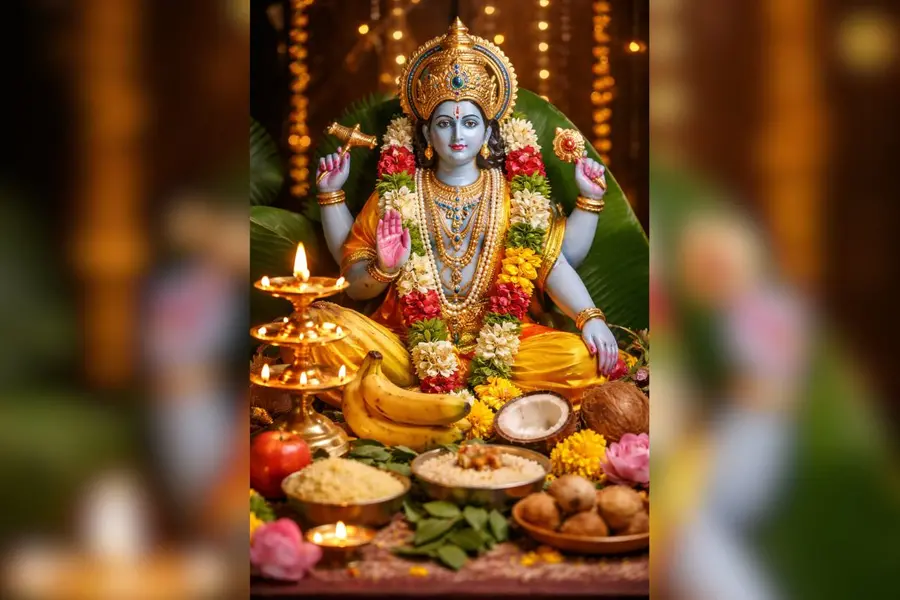
Vijaya Ekadashi, one of the most auspicious Ekadashi vrats in the Hindu calendar, will be observed on Friday, February 13, 2026.
The Ekadashi, which falls during the Krishna Paksha of the Phalguna month (Magha/Phalguna as per regional calendars), holds deep religious significance for devotees of Lord Vishnu.
Also Read

According to the Hindu Panchang, the Ekadashi tithi begins at 12:22 PM on Thursday, February 12, 2026, and ends at 2.25 pm on Friday, February 13, 2026. Since the tithi prevails during sunrise on February 13, the vrat will be observed on that day.
Devotees traditionally observe a day-long fast from sunrise to the next morning, abstaining from grains, cereals, and certain foods.
Many followers consume fruits, milk, and vrat-approved meals, while some undertake a strict nirjala (waterless) fast. The day is marked by prayers, Vishnu Sahasranama recitation, chanting of mantras and visits to Vishnu temples.
The Parana (breaking of the fast) is scheduled for Saturday, February 14, 2026. The most auspicious parana window is expected between 7 am and 9.14 am. Religious scholars advise that devotees should complete parana within the Dwadashi tithi for the vrat to be considered spiritually complete.
Vijaya Ekadashi derives its name from the Sanskrit word “Vijaya,” meaning victory. Scriptures state that observing this Ekadashi helps devotees overcome difficulties, succeed in important endeavours, and cleanse past karmic burdens.
The vrat is also linked to the Ramayana, where Lord Rama is believed to have observed Vijaya Ekadashi before his victorious march to Lanka.
Priests recommend beginning the day with an early morning bath, followed by offering tulsi leaves, fruits, incense and prayers to Lord Vishnu. Charity, feeding the needy, and maintaining a sattvic mindset are also considered integral to the observance.
With devotees across India preparing for the vrat, temples are expected to witness special prayers and increased footfall on Vijaya Ekadashi.
Published: 12 Feb 2026, 07:11 am IST
Related Topics
Disclaimer: Kindly avoid objectionable, derogatory, unlawful and lewd comments, while responding to reports. Such comments are punishable under cyber laws. Please keep away from personal attacks. The opinions expressed here are the personal opinions of readers and not that of Mathrubhumi.