
Rare incidents where ventilator or heavily sedated patients react during emergencies are rooted in well-documented survival mechanisms of the human brain and nervous system
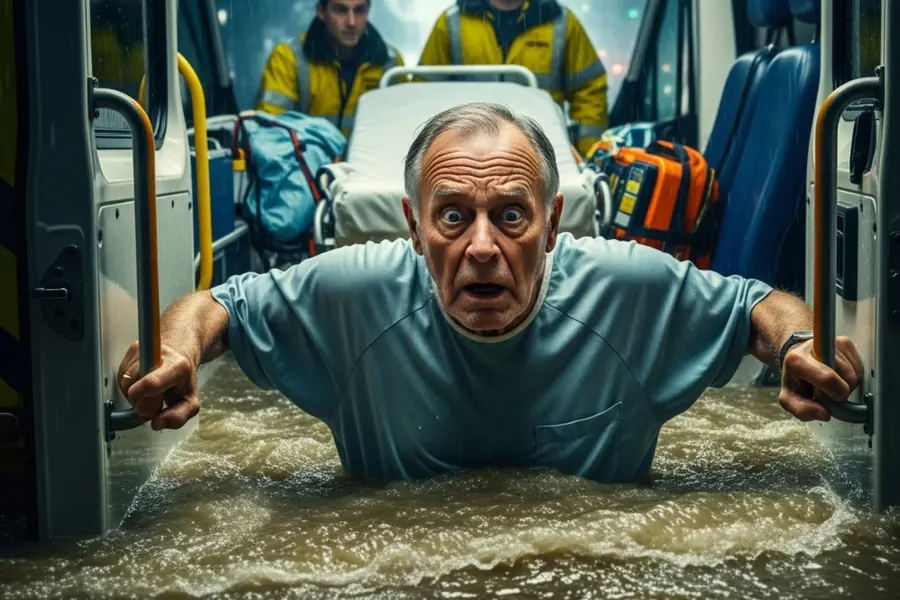
Imagine lying in a hospital bed, critically ill, barely able to breathe, and completely dependent on a ventilator. You are sedated to ease pain and anxiety, and every muscle feels weak. Most people would assume that in this state, any sudden danger would be fatal.
Yet, in rare instances, the human body has an extraordinary way of fighting back. There are reported cases—widely discussed online and in medical circles—where patients in deep sedation or severe illness suddenly react to life-threatening situations. They may kick, struggle, or move with surprising strength, even when their illness or medical support suggests they should be powerless.
Also Read

This is not magic or miracle recovery—it’s science. The brain, the nervous system, and survival hormones work together to give the body a last-resort chance to survive.
How sedation works in ventilator patients
Patients placed on ventilators are usually given sedative drugs to reduce pain, anxiety and physical stress. These medications lower consciousness and suppress voluntary movement, allowing the lungs to heal and reducing oxygen demand. However, medical sedation is not the same as full brain shutdown. Core brain functions linked to survival remain active even when a patient appears unconscious.
The brain’s built-in survival override
The human brain has evolved to prioritise survival above all else. When it detects an immediate threat such as drowning, suffocation or severe trauma, it can activate emergency neural circuits that override sedative effects. This response is automatic and does not depend on conscious thought or decision-making.
Adrenaline surge and the fight-or-flight response
In extreme danger, the adrenal glands release large amounts of adrenaline and noradrenaline into the bloodstream. This hormonal surge increases heart rate, blood pressure and oxygen delivery to vital organs and muscles. Adrenaline can temporarily counteract sedative drugs, allowing brief bursts of strength, alertness or movement even in critically ill patients.
Role of the reticular activating system
The reticular activating system (RAS), located in the brainstem, regulates wakefulness and consciousness. Powerful sensory stimuli such as loud noise, violent motion, impact or sudden exposure to cold can strongly activate this system. In rare emergencies, this activation can cause partial or temporary awakening in patients who are otherwise deeply sedated.
Oxygen deprivation and emergency motor reflexes
When the brain senses a lack of oxygen, it triggers instinctive motor responses aimed at restoring airflow or escaping danger. These reflexes are deeply wired and can occur even when voluntary control is suppressed. This explains why some ventilated patients may kick, push or attempt to move during life-threatening situations.
Why strength can appear suddenly and briefly
The strength displayed during such episodes is not a sign of recovery. It is the result of short-lived chemical and neurological changes driven by survival hormones. Once the immediate threat ends and adrenaline levels drop, sedation regains effect and the patient returns to their prior medical state.
Why these cases are rare
Most ventilator patients do not experience such reactions because sedation levels, illness severity and individual brain chemistry vary widely. These emergency awakenings require a precise combination of intense threat, sensory stimulation and biological response, making them highly uncommon.
What doctors want people to understand
Medical experts emphasise that these events are not miracles or awakenings from coma, but demonstrations of the body’s last-resort survival mechanisms. They underline the importance of understanding that critical care sedation suppresses consciousness, not the brain’s deepest instinct to stay alive.
(Disclaimer: This article is based on reported events and scientific explanations of human physiological responses in emergency situations. Individual reactions may vary, and the story is for informational and educational purposes only. It is not medical advice, and readers should consult healthcare professionals for guidance on medical conditions or emergency care.)
Published: 26 Jan 2026, 03:14 pm IST
Related Topics
Disclaimer: Kindly avoid objectionable, derogatory, unlawful and lewd comments, while responding to reports. Such comments are punishable under cyber laws. Please keep away from personal attacks. The opinions expressed here are the personal opinions of readers and not that of Mathrubhumi.