
Abdominal obesity is particularly prevalent, especially among women and those in urban, higher-income groups, but it's also spreading to rural and lower-income areas.
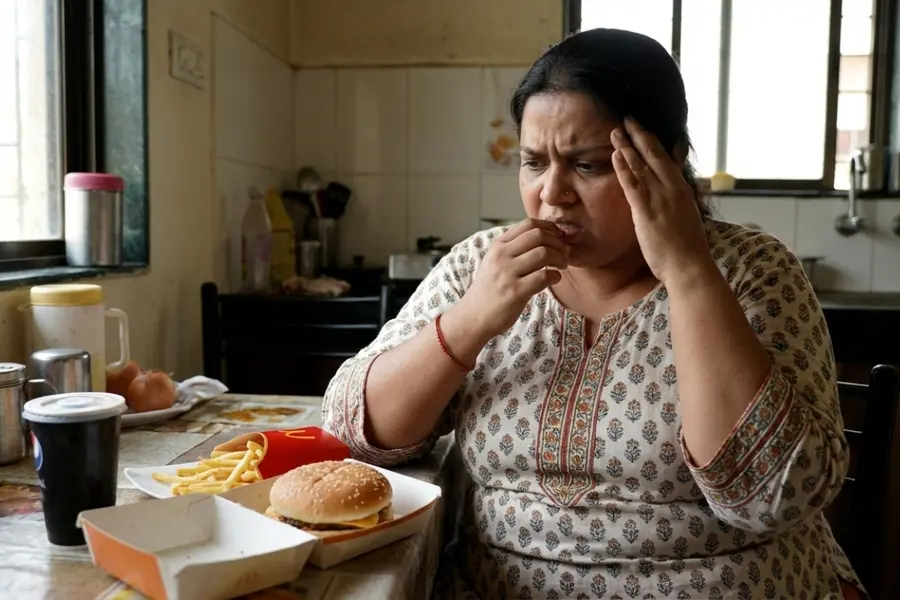
Obesity has evolved into a global public health crisis, with more than 1 billion people worldwide now living with the condition, prompting the World Health Organisation (WHO) to reclassify it as a "chronic, relapsing disease."
The surge in cases is particularly acute in India, where nearly one in four adults is now considered overweight or obese, according to the latest National Family Health Survey (NFHS-5). The crisis is being met by the rapid arrival of potent new GLP-1 receptor agonist (RA) medications, which saw a breakthrough launch year in the Indian market in 2025.
India’s Expanding Waistline
Data published in The Lancet Regional Health - Southeast Asia highlights a growing "abdominal obesity" epidemic in India, affecting 40% of women and 12% of men. The study found that more than half of Indian women aged 30 to 49 carry excess central body fat, a condition linked to urban living, higher socioeconomic status, and non-vegetarian diets.
The problem is no longer confined to cities; researchers note that obesity is increasingly penetrating rural areas and lower-income households. Despite the rising numbers, public perception remains a hurdle. A recent survey conducted by The Times of India and Novo Nordisk revealed that only 53% of Indians view obesity as a medical condition, while 32% do not consider it a disease at all.
The Rise of GLP-1 "Weight-Loss" Drugs
To combat the epidemic, three major GLP-1 RA drugs—Mounjaro, Wegovy, and Ozempic—were introduced in India throughout 2025. These medications mimic natural hormones to regulate blood sugar, slow digestion, and suppress appetite.
- Mounjaro (Tirzepatide): Launched in March 2025.
- Wegovy (Semaglutide): Launched in June 2025 for chronic weight management.
- Ozempic (Semaglutide): Launched in December 2025 for type 2 diabetes.
While these drugs can facilitate a sustained weight loss of 5% to 15%, medical experts warn they are not "magic pills." Specialists emphasise that the best results occur when the injections are paired with diet and exercise.
Tangible Benefits of Modest Weight Loss
Health officials are urging patients to focus on manageable goals, noting that even a 5% to 10% reduction in body weight can trigger profound health improvements:
- Metabolic Health: Modest weight loss can stabilise blood sugar and reduce the risk of progressing from prediabetes to type 2 diabetes by up to 60%.
- Cardiovascular Relief: Lowering body weight reduces triglycerides and blood pressure, significantly cutting the risk of heart disease and stroke.
- Systemic Recovery: Weight loss of 10% or more has been shown to reverse fatty liver disease, alleviate sleep apnea, and reduce chronic joint pain from osteoarthritis.
As the market accelerates into 2026, Indian pharmaceutical companies are already preparing generic versions of these blockbuster drugs, which could lower costs and expand access across the subcontinent once local patents expire.
Published: 24 Jan 2026, 05:32 pm IST
Related Topics
Disclaimer: Kindly avoid objectionable, derogatory, unlawful and lewd comments, while responding to reports. Such comments are punishable under cyber laws. Please keep away from personal attacks. The opinions expressed here are the personal opinions of readers and not that of Mathrubhumi.
