
Tightly securing wet hair puts added tension on strands, which can result in split ends, frizz, and gradual thinning over time
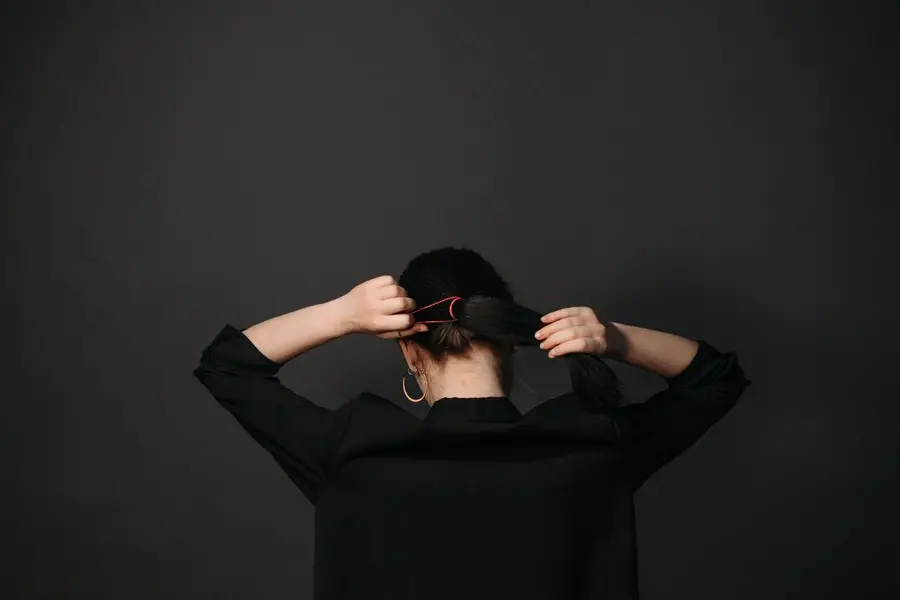
Many of us tie our hair while it’s still wet--often due to the morning rush or a lack of time to properly dry and style it. Those with long hair may do it for comfort or convenience, without realising the potential damage they may be causing.
However, what seems like a harmless routine could be silently harming your hair and scalp. Dermatologists warn that tying up wet hair can lead to a range of issues, from weakened strands to long-term scalp problems.
Why tying wet hair is harmful
When hair is wet, it is at its most fragile state. The strands become more elastic and prone to breakage. Tightly securing wet hair puts added tension on these vulnerable strands, which can result in split ends, frizz, and gradual thinning over time. So, while tying wet hair may save time, it could compromise your hair’s long-term health.
Long-term effects on the scalp
Trapping moisture at the roots for extended periods creates an environment ideal for bacterial and fungal growth. This can increase the risk of scalp infections, irritation, dandruff, and even worsen conditions like seborrheic dermatitis or psoriasis.
Regularly tying hair--especially when damp--can also contribute to hair loss by placing continuous stress on the hair follicles.
How to protect your hair
- To maintain healthy hair and scalp, experts recommend incorporating the following habits into your routine:
- Allow time for your hair to dry properly after a shower. Whenever possible, let it air dry naturally.
- Use a microfiber towel or soft cotton cloth to gently blot moisture from your hair instead of rubbing it vigorously.
- If you must tie your hair, opt for a loose style or use quick-dry hair wraps that help speed up the drying process.
- Detangle using a wide-tooth comb to minimise breakage.
- Apply a leave-in conditioner or serum to damp hair to strengthen strands and reduce frizz.
- Limit the use of hairdryers or use them on a low-heat setting to avoid heat damage.
Note: These are general hair care tips. For personalised advice, consult a dermatologist.
Published: 22 Jul 2025, 10:03 pm IST
Related Topics
Disclaimer: Kindly avoid objectionable, derogatory, unlawful and lewd comments, while responding to reports. Such comments are punishable under cyber laws. Please keep away from personal attacks. The opinions expressed here are the personal opinions of readers and not that of Mathrubhumi.
