
Ranked ninth among the world's best museums in 2026, Bihar Museum in Patna offers ancient sculptures, Mithila art, historical treasures and contemporary exhibitions
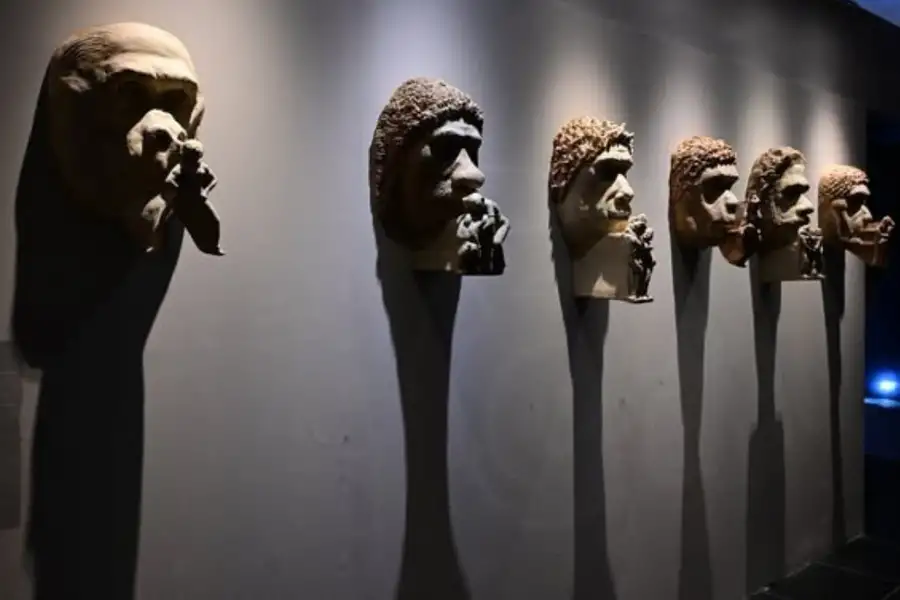
If the Louvre in Paris or the Metropolitan Museum of Art in New York is on your travel wish list, there is another museum you might want to visit before. The Bihar Museum ranked ninth on German travel guide Worth a Journey’s 2026 list of the world's 100 best museums. It stands one place above New York's famous Met, while the Louvre features at number 31. The ranking makes it the highest-placed museum in Asia and the only Indian institution on the list.
But the reason to make a trip here goes beyond its position on a global list. Spread across nearly 14 acres, the museum brings together archaeological treasures, ancient sculptures, regional art traditions and contemporary works. It offers a chance to explore Bihar's history and its influence on India's cultural landscape, all under one roof.
Why Bihar deserves a place on your museum itinerary
The museum's story began with a space problem. Patna Museum, established in 1917, had accumulated around 40,000 artefacts, but its galleries could display only a small part of the collection. The proposal to add more space eventually gave way to a much bigger idea: creating a modern museum that could present Bihar's history and artistic heritage to a wider audience.
The result is the Bihar Museum, a 13.9-acre complex designed by Japanese architectural firm Maki and Associates in collaboration with Mumbai-based OPOLIS. Construction began in 2013, and the museum opened its first sections to visitors in August 2015. The remaining galleries followed in October 2017.
The architecture is worth noticing before you even enter the galleries. Rather than one imposing block, the museum follows a campus-style layout, with different sections connected through walkways and open spaces. Weathering steel, stone, terracotta and glass give the buildings a contemporary appearance while drawing on materials associated with the region's history.
What should you look out for inside?
With more than 20,000 artefacts listed in its collection, the museum takes visitors through different periods of Bihar's history, from prehistoric times and ancient kingdoms to later cultural influences. The galleries are arranged thematically and chronologically, so there is plenty to explore even if you are not someone who usually spends an afternoon in a museum.
Here are some of the sections worth making time for.
The Didarganj Yakshi: If there is one exhibit you should not leave without seeing, it is this sculpture. Standing 5 feet 2 inches tall, the female figure is carved from Chunar sandstone and dates to the third century BCE. It was discovered on the banks of the Ganga at Didarganj, Patna, in 1917. Depicted holding a fly-whisk, the Yakshi is admired for her polished surface, graceful posture and remarkable sculptural detail. It is among the museum's most celebrated objects.
The Historical Galleries: Gallery A takes visitors through the Mauryan period, including the reign of Emperor Ashoka, and explores Buddhism and Jainism.
Gallery B moves on to the Sunga, Kushana, Gupta and Pala periods.
Gallery C brings in a different set of influences, with displays connected to the Nawabs of Bengal, the Patna School of Painting, Sufism and Sikhism.
Together, these galleries offer a broad look at the different dynasties, beliefs and artistic traditions that shaped the region.
The Regional Art Gallery: This is a good place to discover the folk art traditions that have been passed down through generations in Bihar. Look out for Manjusha art from Bhagalpur, along with Mithila painting traditions such as Godna and Kohbar, Tikuli painting and Sujni embroidery. These works are not simply decorative. They carry stories, beliefs and everyday cultural practices from different parts of the state.
The Diaspora Gallery: Bihar's history is not confined to the boundaries of the state. This gallery explores the movement of Bihari communities across the world, including the experiences of indentured labourers who left India during British colonial rule. Many, known as Girmitiyas, travelled to destinations such as Mauritius, Fiji, South Africa and the Caribbean. Their stories offer a glimpse into migration, displacement and the ways in which people carried their cultural identities to new homes.
Contemporary Art Gallery: For a change of pace from archaeological objects and historical sculptures, this gallery brings together works by contemporary Indian artists. The displays explore social and cultural changes in post-independence India, offering a connection between the country's past and its present.
Visible Storage: Not everything in a museum has to be displayed in a conventional gallery. This section offers a closer look at archaeological objects, including punch-marked coins, terracotta pieces and sculptures. It is an interesting stop for anyone curious about everyday objects and the material culture of earlier periods.
The Children's Gallery: The museum has a dedicated space where younger visitors can explore subjects such as animals, folk art, culture and science through interactive displays. It makes the visit more engaging for families, particularly those with children who might not enjoy a traditional museum tour.
An art exhibition to catch before it closes
There is another reason to plan a visit soon. The museum is hosting Cosmic Garden, an exhibition running from October 22 to November 15, 2026. Presented in collaboration with the Chanakya Foundation, it brings together paintings and sculptures by artists Madhvi Parekh and Manu Parekh, alongside large embroidered works by Karishma Swali and the Chanakya School of Craft.
The exhibition draws on Indian mythology, symbols and traditional craft techniques, bringing paintings and embroidery into conversation. It was previously presented as a collateral event at the 60th Venice Biennale in 2024, making its Patna showing an interesting opportunity for art lovers.
Plan your visit
The Bihar Museum is located on Nehru Path in Patna, around 10 minutes from the airport and railway station, according to its official visitor information.
| Visitor information | Details |
| Opening days | Tuesday to Sunday |
| Gallery timings | 10 am to 5 pm |
| Museum closure | Monday |
| Indian adult ticket | ₹100 |
| Indian child ticket | ₹50 |
| International adult ticket | ₹500 |
| International child ticket | ₹250 |
The museum also offers discounted evening tickets between 5 pm and 7 pm. Indian adults can enter for ₹50 and children for ₹25, while international ticket prices remain unchanged. The children's gallery, museum shop and library remain open until 7 pm, and the restaurant operates until 9 pm. Check the official visitor information before travelling, particularly around public holidays
Published: 14 Nov 2026, 02:56 pm IST


ABOUT THE AUTHOR

Related Topics
Disclaimer: Kindly avoid objectionable, derogatory, unlawful and lewd comments, while responding to reports. Such comments are punishable under cyber laws. Please keep away from personal attacks. The opinions expressed here are the personal opinions of readers and not that of Mathrubhumi.