
The repatriation follows years of consultations between Oxford Museum, Naga tribal leaders and the Forum for Naga Reconciliation.
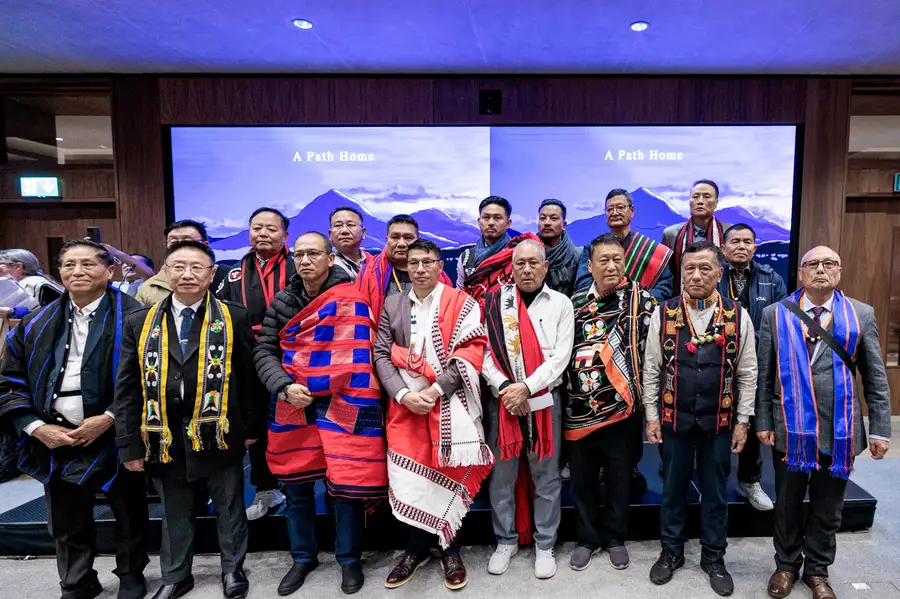
London: The Pitt Rivers Museum at the University of Oxford has handed over the remains of 39 Naga ancestors to a delegation from Nagaland, paving the way for their return to India after more than a century.
A 30-member delegation from Nagaland received the remains at a handover ceremony in Oxford on Monday. Most of the remains are skulls. Naga tribal leaders have said the ancestors will be given a "respectful rest", with plans to bury them beneath a joint memorial in a park in Nagaland.
"I feel honoured that we walked alongside our partners to find the path to return for these 39 Naga ancestors, who have been away from their homeland for far too long," said Professor Laura Van Broekhoven, director of the Pitt Rivers Museum.
Also read | Malayali youth stranded in Iran after losing passport; rescue efforts underway
Why are 39 Naga ancestral remains being returned from Oxford?
The Pitt Rivers Museum holds the world's largest collection of Naga material, much of which was gathered by colonial administrators during the early twentieth century. The collection includes ancestral remains taken during the colonial era and kept at the museum for decades.
The Forum for Naga Reconciliation (FNR) approached the museum earlier this year, seeking the return of the ancestral heritage.
Van Broekhoven said she was humbled to witness the collective consultation led by the FNR and the Recover, Restore and Decolonise (RRaD) team. She described the growing participation as a Naga-wide movement for healing and unification.
Oxford University approves return of 39 remains out of 40
The museum said it had been working with the FNR and RRaD teams since 2020, along with tribal Hohos, elders, churches and communities across the Naga homeland, to decide how their ancestors should be cared for and returned.
In February 2026, the University of Oxford received a formal claim from the FNR seeking the return of 40 ancestral remains held at the Pitt Rivers Museum.
The claim was processed under the university's procedures for returning cultural objects and approved by the Oxford University Council on July 13, 2026.
However, the council approved the return of only 39 remains, rejecting the claim for one further remain on the grounds that it did not have a "clear provenance as Naga".
Following the decision, the museum worked with Naga representatives to arrange the handover. The remains will travel home accompanied by tribal leaders, elders and members of the FNR and RRaD teams.
Also read | 'Farmers work for 3 months, spend rest playing cards, drinking': BJP MP's remark sparks row
Naga ancestors removed from museum display in 2020
The ancestral remains had been displayed at the Pitt Rivers Museum until 2020, when the institution removed all human remains from public display.
The Naga-Oxford Declaration outlines the community's commitment to providing their ancestors with a dignified rest through a memorial dedicated to healing and peace.
It also expresses solidarity with Indigenous communities across the world seeking the return of ancestral remains, describing repatriation as a step towards decolonisation, justice and peace.
How did Naga ancestral remains reach Oxford?
According to official records, the first Naga ancestral remains were given to the Oxford museum more than a century ago by John Henry Hutton, a colonial administrator in the Indian Civil Service and an anthropologist.
Most of the remains currently held in the collection were brought to Oxford by Hutton and another administrator-anthropologist, James Philip Mills, between 1910 and 1940.
The return of the 39 remains was supported by the Homebound Project, which works to restore dignity, sovereignty and cultural integrity to Indigenous communities worldwide. It funds the repatriation of ancestral remains and cultural belongings from UK institutions to their rightful communities.
Published: 10 Nov 2026, 09:31 pm IST


ABOUT THE AUTHOR

Related Topics
Disclaimer: Kindly avoid objectionable, derogatory, unlawful and lewd comments, while responding to reports. Such comments are punishable under cyber laws. Please keep away from personal attacks. The opinions expressed here are the personal opinions of readers and not that of Mathrubhumi.