
The Union Territory, celebrated for its pristine beaches, mangrove kayaking, and tropical serenity, has seen a remarkable rebound in domestic tourism since the pre-COVID era.
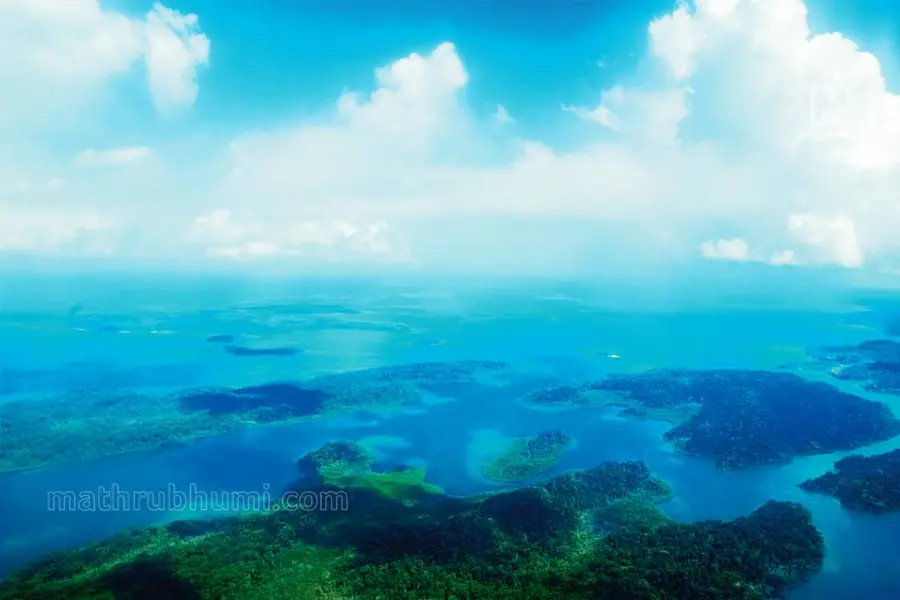
The Andaman and Nicobar administration is carefully balancing the twin goals of boosting tourism and preserving its delicate ecosystem as visitor numbers surge and plans for opening new islands gain momentum.
The Union Territory, celebrated for its pristine beaches, mangrove kayaking, and tropical serenity, has seen a remarkable rebound in domestic tourism since the pre-COVID era.
“We had a very successful tourist season last year. We were able to overcome the effects of COVID-19, and last year, on an island with a population of 4 lakh, we welcomed 7.2 lakh visitors. This year, we are experiencing substantial growth as well. We have already recorded 6 lakh visitors by September, and our peak season is during October and November,” Jyoti Kumari, Tourism Secretary of Andaman and Nicobar Islands, told PTI.
Balancing growth and ecology
When asked about ecological concerns linked to the rising tourist influx, Kumari explained, “As an island, we have a carrying capacity. Our advantage is that access is limited to flights, which naturally restricts the number of visitors. That said, the impact on frequently visited islands is minimal. We are opening new islands and exploring different niche segments.”
The government recently opened North Sink Island and is proceeding cautiously with further openings. “We are proceeding carefully to gauge the response and see how visitors are adapting. We are also opening more areas; the forest department has opened Jolly Buoy and Red Skin Islands, which have a carrying capacity of 200 people. We are ensuring that this limit is maintained,” she said.
“This is how we are preserving and promoting the ecosystem. Recently, 21 islands have been opened, and we continue to monitor the impact. Once these islands are fully utilised, we will consider further openings,” Kumari added.
Beyond beaches: Birdwatching and astro-tourism
The Andamans offer a blend of palm-fringed beaches, white sand stretches, unperturbed serenity, and crystal-clear waters, epitomising a tropical paradise. But the tourism department is keen to diversify experiences.
“We have a huge number of people coming for bird watching because the Andaman features 32 varieties of endemic birds. So, a lot of bird watchers come to increase their count in a single day. We are also looking at astro-tourism because Andaman has one of the best night skies. Visitors can see both northern and southern constellations,” Kumari said.
“There are vantage points that provide 360-degree views of the sky, allowing observation in all directions. The area has zero industrial pollution, which enhances our efforts in promoting astro-tourism. Fishing is also a popular activity among both domestic and international tourists, and we are working to promote that, along with our renowned water sports,” she added.
The Union Territory recently rolled out an astro-tourism policy. “Under this policy, we are registering and training guides, besides implementing open sky certification for them. Additionally, we are training local youth and manpower for this initiative. We are designating locations that can be protected from light pollution as potential astro-tourism spots,” Kumari explained.
Tourists can also register voluntarily on the government portal to receive detailed information about upcoming astronomical events, helping them plan their visits.
Published: 23 Nov 2025, 01:27 pm IST
Related Topics
Disclaimer: Kindly avoid objectionable, derogatory, unlawful and lewd comments, while responding to reports. Such comments are punishable under cyber laws. Please keep away from personal attacks. The opinions expressed here are the personal opinions of readers and not that of Mathrubhumi.
