
Most recently, comedian Kevin Hart found himself pulled into the debate when interviewer Ziwe posed the viral question to him
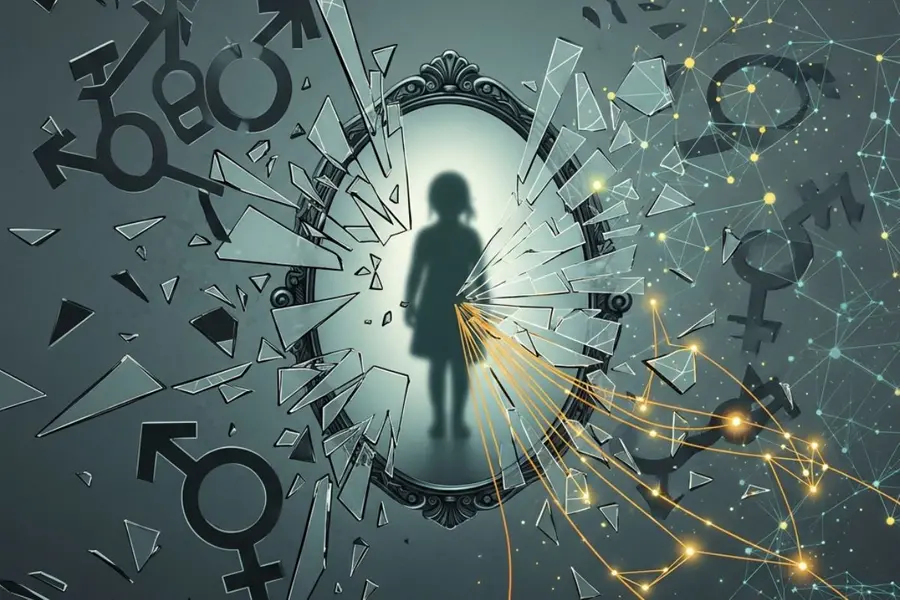
A strange question has lingered on the internet for years—“Would you rather have a gay son or a thot daughter?” First used as a provocative meme around 2021, it resurfaced again and again across TikTok videos, podcasts, and celebrity interviews. The premise never changed: present two deeply personal identities as punchlines and ask people to choose between them.
Most recently, comedian Kevin Hart found himself pulled into the debate when interviewer Ziwe posed the viral question. Rather than play along, Hart pushed back.
“I would rather have two healthy kids… it doesn’t matter to me,” he said. “The fact that you have to put them in those categories says a lot about who you are.”
His response reflected what many online have been vocalizing for years: the meme’s humor depends on homophobia, misogyny, and the assumption that both identities are somehow undesirable. But interestingly, the internet has moved beyond the original framework in a way no one quite expected.
Where the Phrase Really Came From
The term “thot”—an acronym for “that ho over there”—started as a misogynistic slang term used to shame women perceived as promiscuous or overly sexualized. It fed into the worst parts of online culture: policing women’s behavior, reducing femininity to respectability, and conflating self-expression with moral worth.
So when the question “gay son or thot daughter?” went viral, it struck a nerve precisely because both options were framed as undesirable stereotypes meant to provoke discomfort or laughter.
But internet culture is nothing if not unpredictable, and by 2024, something shifted.
“Thought Daughter”: A Reclaimed Identity
On TikTok and Instagram, young women started playfully mispronouncing thot as “thought”—transforming the insult into something unexpectedly soft, introspective, and deeply relatable.
The “thought daughter” was born.
In this reimagined version, a thought daughter isn’t hypersexualized or shallow. She is:
- introspective, always lost in inner dialogue
- creative, drawn to books, art, music, and philosophy
- emotionally intense, often an overthinker
- empathetic, sensitive to the feelings of those around her
- self-aware, preferring inner growth over external validation
The trend caught on because it gave language to a type of emotional experience many young women recognized but hadn’t named.
Why Women Connected With It
The new meaning resonated across cultures, including in India, where the expectations placed on daughters remain especially layered. As SheThePeople noted, many girls grow up with clear instructions—study hard, stay polite, help at home, don’t take risks, don’t stand out too much.
A thought daughter, by contrast, is someone who cannot live inside a script she never wrote. She feels more than she says, thinks more than she speaks, and often navigates an inner world far more complex than her outer one.
In many ways, the trend became a gentle rebellion. A woman calling herself a “thought daughter” isn’t rejecting femininity—she’s rejecting the narrowness with which femininity is usually defined.
A Cultural Pivot: From Harmful Meme to Human Story
Ironically, the continued popularity of the “gay son or thot daughter” question helped fuel this transformation. The more the meme circulated, the more women stepped forward to redefine the terminology on their own terms.
Kevin Hart’s refusal to engage with the false choice highlighted just how outdated the original framing is. The internet, meanwhile, has begun embracing the idea that identities—sexual, emotional, intellectual—are not binaries, jokes, or moral tests.
Published: 28 Nov 2025, 03:17 pm IST
Related Topics
Disclaimer: Kindly avoid objectionable, derogatory, unlawful and lewd comments, while responding to reports. Such comments are punishable under cyber laws. Please keep away from personal attacks. The opinions expressed here are the personal opinions of readers and not that of Mathrubhumi.
