
Qantas announces shut down of Jetstar Asia, freeing A$500M for reinvestment in core operations and fleet modernization.
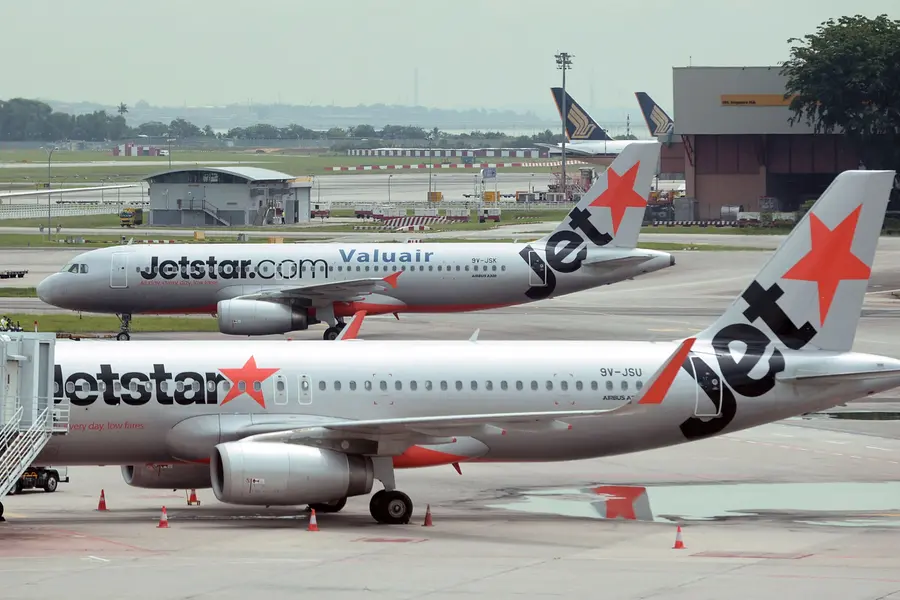
In a strategic move aimed at strengthening its core operations, Qantas Airways has announced the closure of its 20-year-old Singapore-based budget carrier, Jetstar Asia, effective July 31, 2025. Despite efforts to maintain market relevance, persistent cost headwinds like fuel, airport, and ground handling and intense competition have rendered the business unsustainable. The carrier was marginally profitable in just six out of its two-decade history and is forecast to suffer an underlying A$35 million loss in the 2024–25 financial year.
The shutdown will impact up to 500 staff in Singapore, with Qantas promising severance packages, job placement support, and internal relocation opportunities across the Group.
Meanwhile, 13 Airbus A320s from Jetstar Asia will be reallocated to Qantas’ Australian and New Zealand operations six to directly replace leased aircraft for Jetstar Airways, four to benefit QantasLink’s FIFO services, and the remainder support network expansion and fleet renewal.
Qantas Group CEO Vanessa Hudson described the decision as a difficult yet necessary strategic reallocation of capital, freeing up to A$500 million for reinvestment into its primary markets and fleet modernization program.
The closure comes alongside a one-off financial hit of A$175 million, to be recorded over the current and upcoming financial years as redundancy and restructuring costs.
Though Jetstar Asia will cease operations, Qantas reassured that Jetstar Airways (Australia/New Zealand) and Jetstar Japan will remain unaffected. Scheduled flights to key Asian destinations via Jetstar Airways and partner airlines will continue uninterrupted.
Qantas aims to reinvest A$500 million and reposition aircraft to core markets, reducing dependency on leased jets and bolstering domestic and FIFO capacity.
Jetstar Asia struggled amid aggressive expansion from AirAsia, Scoot, VietJet, and others. Its exit underscores the consolidation trend in Southeast Asia's ultra-low-cost segment. Although 500 jobs are at risk, concerted support from Qantas and Singapore’s unions aims to mitigate fallout and retain aviation expertise locally.
Qantas is doubling down on disciplined capital deployment, financing ambitious fleet renewal (e.g., Airbus A321XLR, Project Sunrise) with recycled funds from this closure. Jetstar Asia will operate on a gradually reduced schedule through July, offering full refunds or alternative bookings to affected passengers. The airline’s A320s will be redeployed in the coming months, supporting growth and fleet flexibility in Australia and New Zealand.
Jetstar Asia’s shutdown reflects broader consolidation in the regional low-cost carrier segment. For Qantas, it is a calculated pivot, trimming underperforming assets, locking in capital for strategic growth, and reinforcing resilience in its primary markets. For Southeast Asia, the move signals intensifying competition and a need for differentiation in route strategy and cost control.
Published: 11 Jun 2025, 08:04 pm IST
Related Topics
Disclaimer: Kindly avoid objectionable, derogatory, unlawful and lewd comments, while responding to reports. Such comments are punishable under cyber laws. Please keep away from personal attacks. The opinions expressed here are the personal opinions of readers and not that of Mathrubhumi.
