

The secret to getting kids to eat vegetables isn't bribing or forcing them. These easy, practical hacks can make mealtimes less stressful and help your child build healthier eating habits for life.
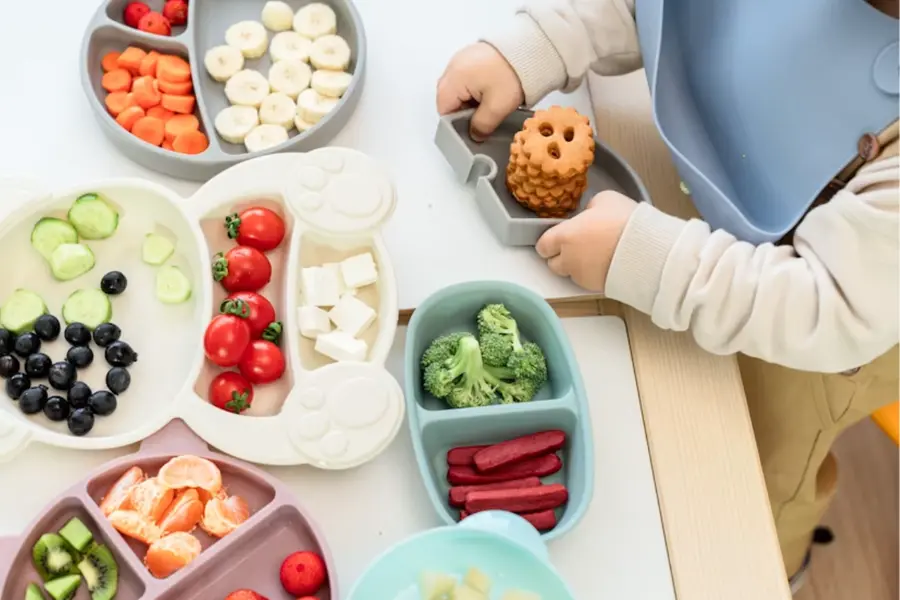
Have you ever watched your child inspect a spoonful of food like they're a food critic on a reality show? One tiny green speck is all it takes. Suddenly, there's dramatic gagging and the firm declaration: "I don't like it." Never mind that they've never actually tasted it.
For many mothers, this is an everyday ritual. You grate carrots into parathas, blend spinach into pasta sauce, mash pumpkin into dal, and pray they don't notice. Some days it works. Other days, your little detective somehow identifies the "hidden vegetable" in a single bite and pushes the entire plate away.
If this sounds painfully familiar, you're far from alone. Picky eating is one of the most common challenges parents face, especially during the toddler and preschool years. While vegetables are packed with vitamins, minerals, and fibre that growing bodies need, convincing kids to eat them is often easier said than done.
You don't need to wage a nightly dinner-table war. With a few clever tricks and a little patience, you can help your child eat more vegetables.
Why kids often reject vegetables
Many vegetables have slightly bitter flavors that young taste buds are naturally sensitive to.
"Some days my son would eat cucumber sticks happily, and the next week he'd refuse to even touch them," laughs Aditi Sharma, a Mumbai-based mother of three. "I realised it wasn't about the vegetable itself. Sometimes he just wanted control over what was on his plate."
Experts agree that picky eating is often a normal developmental phase rather than a sign that something is wrong.
The sneaky veggie trick that actually works
While nutritionists encourage parents to help children develop a healthy relationship with vegetables, there are times when a little creativity can save the day. One of the easiest ways to increase vegetable intake is by blending them into foods your child already enjoys.
The key is not to completely hide vegetables forever, but to make them feel less intimidating while children become familiar with their flavors.
"I started adding grated carrots and zucchini to parathas," says Aditi. "At first, it was just to get some vegetables into his meals. Now he actually asks for the colorful parathas because that's what he’s grown up eating."
Vegetables that disappear easily into meals
Some vegetables are practically invisible when cooked creatively.
- Spinach
A handful blended into smoothies, pasta sauces, or dosa batter adds nutrients without changing the taste.
- Carrots
Naturally sweet, carrots work well in soups, pasta sauces, pancakes, cakes, and even homemade energy bites.
- Cauliflower
One of the most versatile vegetables, cauliflower can be mashed, blended into creamy sauces, mixed into rice, or added to curries.
- Pumpkin
Its mild sweetness makes it perfect for soups, gravies, rotis, muffins, and pasta sauces.
- Zucchini
When grated finely, zucchini almost disappears into pancakes, breads, cutlets, and baked dishes.
- Beetroot
A small amount can add a beautiful pink color to smoothies, idli batter, or cakes without overwhelming the flavor.
Make vegetables part of foods they already love
Parents often make the mistake of serving vegetables separately and hoping for the best. Instead, think about adding them into familiar favorites:
- Add finely chopped vegetables to fried rice.
- Blend pumpkin into macaroni and cheese.
- Mix spinach into chapati dough.
- Stir grated carrots into sandwich fillings.
- Add vegetables to homemade pizzas.
- Fold broccoli into pasta dishes.
"When I stopped introducing vegetables as a separate 'healthy' item and started making them part of everyday meals, things got much easier. My kids don't feel like they're eating something different or being forced into it." Added Aditi.
Let kids help in the kitchen
One surprisingly effective strategy has nothing to do with hiding vegetables at all. Children are far more likely to eat foods they've helped prepare.
Even younger children can wash vegetables, stir ingredients, arrange toppings, choose vegetables at the grocery store or help assemble wraps or sandwiches.
A child who proudly helped make dinner is often much more willing to take a bite.
Don't label vegetables as a chore
Many parents unintentionally turn vegetables into the villain of the meal.
Statements like, "finish your vegetables first”, "you can't have dessert until you eat your greens" or "vegetables are good for you, unlike chips" can actually make children dislike vegetables even more.
When vegetables are treated like a punishment and dessert becomes the reward, kids learn that one food is something to endure while the other is something to celebrate. Instead, serve vegetables alongside other foods without making them the center of a power struggle.
The long-term goal isn't hiding vegetables
While sneaking vegetables into meals can be a helpful short-term strategy, the bigger goal is helping children become comfortable seeing, touching, and eventually enjoying them.
Repeated exposure matters. A child may reject a vegetable ten times before finally deciding they like it. That can be frustrating, but it's completely normal.
"I stopped trying to win every meal. Once I relaxed, my son relaxed too. Some days he eats three vegetables. Some days he eats none. What matters is that he keeps seeing them on the table." She concludes.
And perhaps that's the most reassuring advice for exhausted parents everywhere, raising a healthy eater is about creating enough positive experiences that vegetables slowly become just another part of everyday life.
Published: 28 Jun 2026, 03:46 pm IST
ABOUT THE AUTHOR
Related Topics
Disclaimer: Kindly avoid objectionable, derogatory, unlawful and lewd comments, while responding to reports. Such comments are punishable under cyber laws. Please keep away from personal attacks. The opinions expressed here are the personal opinions of readers and not that of Mathrubhumi.