
In 2026, being single is no longer a ‘waiting room’ for love—it’s a deliberate lifestyle choice. Intentional singles are embracing autonomy
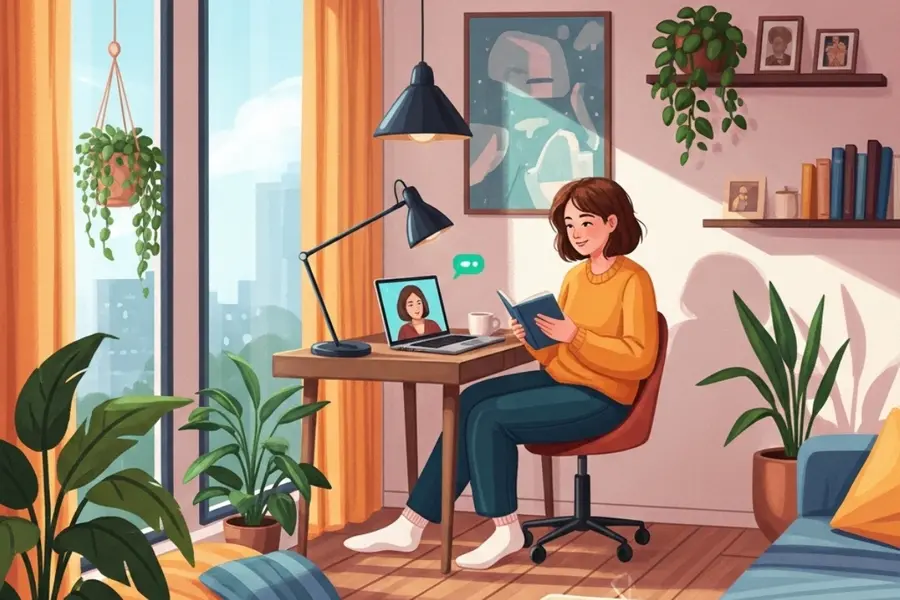
The narrative around singlehood has shifted dramatically. Once considered a temporary stage before settling down, being single in 2026 is increasingly framed as a conscious life choice—termed Intentional Singlehood.
Emerging research shows that choosing solitude can enhance resilience, cognitive health, and overall well-being.
Also Read

1. The demographic tipping point
For the first time, singles are no longer a statistical outlier. Around 400 million people worldwide now live alone, with Northern European cities like Stockholm seeing more than 50% of urban residents unpartnered. In the US, projections suggest that by 2030, nearly half of women aged 25–44 will be single and child-free. In India, urbanisation and financial independence have caused single-person households to surge in Tier-1 cities, signalling a major social shift.
2. The science of the single advantage
Studies are debunking the “lonely single” stereotype. A 2025 study in Alzheimer’s & Dementia found that never-married individuals had a 40% lower risk of developing dementia than married counterparts, likely due to the “cognitive reserve” built through independent problem-solving and wider social networks. Psychological research also shows that intentional singles experience similar—or even higher—life satisfaction and sexual well-being than those in unfulfilling relationships.
3. Dating app fatigue and the great opt-out
The rise of intentional singlehood is partly a reaction to dating burnout. Surveys show that nearly 80% of Gen Z and Millennials experience frequent dating app fatigue. Many cite the transactional nature of apps and the pressure to perform as reasons to step back. Some are choosing Living Apart Together relationships, while others focus entirely on solopreneurship, friendships, and platonic community.
4. The rise of the solo economy
Businesses are adapting to this shift. AI-powered tools now help single individuals manage finances, health, and careers independently. Urban housing is evolving too, with high-amenity studio units and communal social spaces designed for solo dwellers rather than traditional family structures.
Summary of life choice drivers
| Factor | Traditional Narrative | 2026 Reality |
|---|---|---|
| Success Marker | Marriage/Family | Autonomy/Personal Stability |
| Social Circle | Partner-Centric | Diverse “Chosen Family” |
| Economy | Two-Income Household | Solopreneur/Fractional Living |
| Well-being | External Validation | Emotional Labor Resilience |
Intentional singlehood is not a rejection of love—it’s a redefinition of fulfilment. The focus shifts from “finding the one” to “being the one” who is stable, curious, and connected.
(Disclaimer: This article is intended for informational and lifestyle purposes only. It summarises trends, research, and observations about intentional singlehood and modern living. The content does not constitute professional, medical, or relationship advice, and individual experiences may vary. Readers should exercise their own judgment and consult appropriate professionals for personal guidance.)
Published: 15 Jan 2026, 08:01 pm IST
Related Topics
Disclaimer: Kindly avoid objectionable, derogatory, unlawful and lewd comments, while responding to reports. Such comments are punishable under cyber laws. Please keep away from personal attacks. The opinions expressed here are the personal opinions of readers and not that of Mathrubhumi.