
Humanoid home robots are entering the market; but privacy, safety and usefulness remain debated
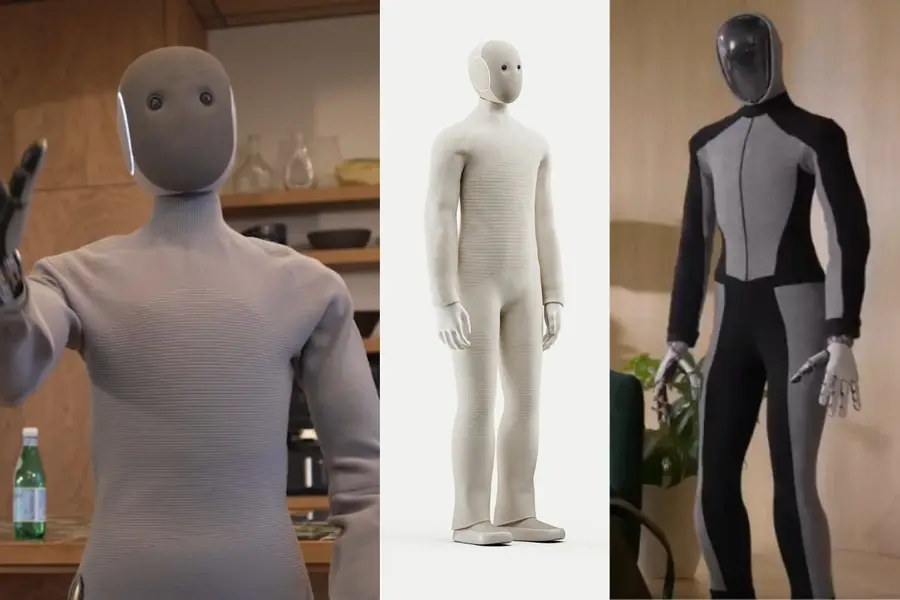
Humanoid robots designed for home use are beginning to appear in the consumer technology market, but experts say the products are still far from becoming reliable everyday household assistants.
Last year, Norwegian-US technology company 1X Technologies announced its humanoid robot called Neo, which is marketed as a consumer-ready home assistant.
Also Read

The robot stands about 168 cm tall, weighs roughly 30 kg and is priced around US$20,000. It is designed to help with routine chores such as folding laundry and loading dishwashers.
How the robot works
Neo is equipped with artificial intelligence systems but cannot yet perform complex tasks independently.
For difficult operations, a remote operator from the company can take control of the robot using virtual reality technology. The operator can visually monitor what the robot sees inside a user’s home, and sessions may be recorded to improve future performance.
Technical and practical challenges
Despite advances in hardware and AI, humanoid robots still struggle with everyday home environments.
Experts note that homes are not designed for robots, making navigation and manipulation of objects difficult. Simple specialised machines, such as robotic vacuum cleaners, often perform better for routine household cleaning.
Researchers also say large amounts of real-world data are required to improve robot performance. However, collecting such data from homes raises privacy concerns because robots may capture sensitive information about daily life.
Privacy and labour concerns
Privacy protection remains one of the biggest issues.
Home robots could potentially collect intimate behavioural data, creating new risks of data misuse or breaches.
Another concern is the hidden human labour behind some AI robot systems. In certain cases, remote operators may assist robots through online interfaces, raising ethical questions about low-wage digital labour and working conditions.
Future of humanoid robots
According to the International Federation of Robotics, widely accepted home humanoid robots may still be about two decades away from becoming mainstream consumer products.
Scientists are also exploring humanoid robots for philosophical and research purposes. Japanese roboticist Hiroshi Ishiguro has developed human-like geminoid robots aimed at studying human identity rather than commercial applications.
Advances in large language models and generative AI are expected to improve robot learning, navigation and interaction capabilities over time. However, full autonomy in complex home environments remains a long-term research challenge.
While humanoid robots promise convenience and technological progress, experts warn that privacy risks, ethical labour concerns and limited practical functionality mean consumers should carefully evaluate such products before adoption. The technology is expected to evolve gradually rather than become an immediate household revolution.
Published: 23 Feb 2026, 01:05 pm IST
Related Topics
Disclaimer: Kindly avoid objectionable, derogatory, unlawful and lewd comments, while responding to reports. Such comments are punishable under cyber laws. Please keep away from personal attacks. The opinions expressed here are the personal opinions of readers and not that of Mathrubhumi.