
Protect your wooden furniture this monsoon with expert tips to prevent moisture damage, mould, termites, swelling and unpleasant odours.
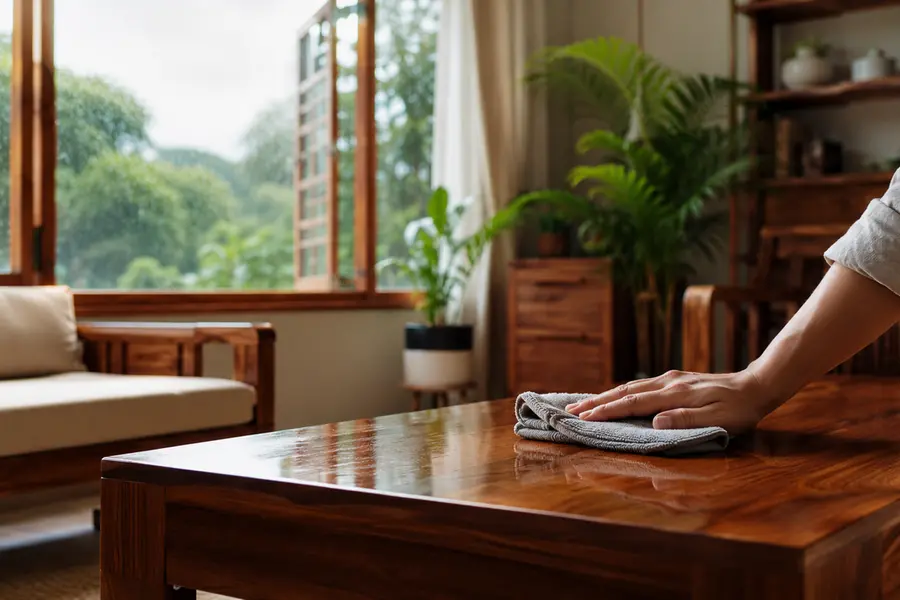
The monsoon brings welcome relief from the summer heat, but the high humidity and constant moisture can damage wooden furniture. Excess dampness can cause wood to swell, warp, crack, lose its finish, develop mould, and even attract termites. Upholstered furniture is equally vulnerable, as trapped moisture can lead to fungal growth and unpleasant odours.
Here are some simple ways to keep your furniture safe during the monsoon season.
Also Read

- Check for termites and mould regularly
Monsoon conditions create the perfect environment for termites, mould and mildew to thrive. Inspect your wooden furniture every few weeks for tiny holes, powdery residue, black or green patches, peeling polish or a musty smell. If you notice mould, clean it immediately using a wood-safe cleaning solution. Any leaks around your home should be repaired promptly, and visible signs of termites should be addressed with professional pest control before the damage spreads.
- Clean furniture the right way
Using too much water while cleaning can do more harm than good during the monsoon. Instead, wipe wooden surfaces with a soft, dry or slightly damp microfibre cloth to remove dust and condensation. Dry the furniture immediately after cleaning, and never allow water to remain on the surface. It is also best to avoid harsh chemical cleaners, as they can strip away the protective finish and make the wood more vulnerable to moisture.
- Keep furniture away from damp walls
Wooden furniture should not be placed directly against walls, particularly exterior walls that absorb rainwater. Moisture can gradually transfer from the wall to the wood, causing swelling, damp patches and fungal growth. Leave a gap of at least 4 to 6 inches between the wall and the furniture to improve air circulation. Also, avoid placing furniture near leaking windows, balconies or areas prone to water seepage.
- Keep sofas and cushions dry
Fabric-covered furniture absorbs moisture quickly during the rainy season. Vacuum sofas, mattresses and cushions every week to remove dust and reduce the risk of fungal growth. Using washable covers and airing out cushions whenever there is sunlight can help keep them fresh. Keeping upholstered furniture in well-ventilated rooms also prevents dampness and unpleasant odours.
- Polish and seal wooden furniture
Applying a coat of furniture wax, wood polish or a moisture-resistant sealant before or during the monsoon creates a protective barrier against humidity. Regular polishing not only helps prevent moisture from penetrating the wood but also restores shine, protects against surface scratches and preserves the natural grain for longer.
- Reduce indoor humidity
High indoor humidity is one of the main reasons furniture deteriorates during the monsoon. Using a dehumidifier, running your air conditioner on dry mode or keeping ceiling fans on can improve air circulation and lower moisture levels. You can also place silica gel sachets, activated charcoal, baking soda or other moisture absorbers inside wardrobes, drawers and cabinets to absorb excess moisture and prevent musty smells.
- Ventilate your home whenever possible
Even during the rainy season, make the most of sunny or dry spells by opening windows and doors to let fresh air circulate throughout your home. Natural ventilation helps reduce indoor humidity, keeps furniture dry, minimises mould growth and removes lingering damp odours. Even 30 to 60 minutes of ventilation each day can make a noticeable difference.
Published: 19 Jul 2026, 11:28 am IST
Related Topics
Disclaimer: Kindly avoid objectionable, derogatory, unlawful and lewd comments, while responding to reports. Such comments are punishable under cyber laws. Please keep away from personal attacks. The opinions expressed here are the personal opinions of readers and not that of Mathrubhumi.