
Street dogs struggle in extreme heat because they cool down mainly by panting, so fresh water, shade and a cool place to rest make a real difference
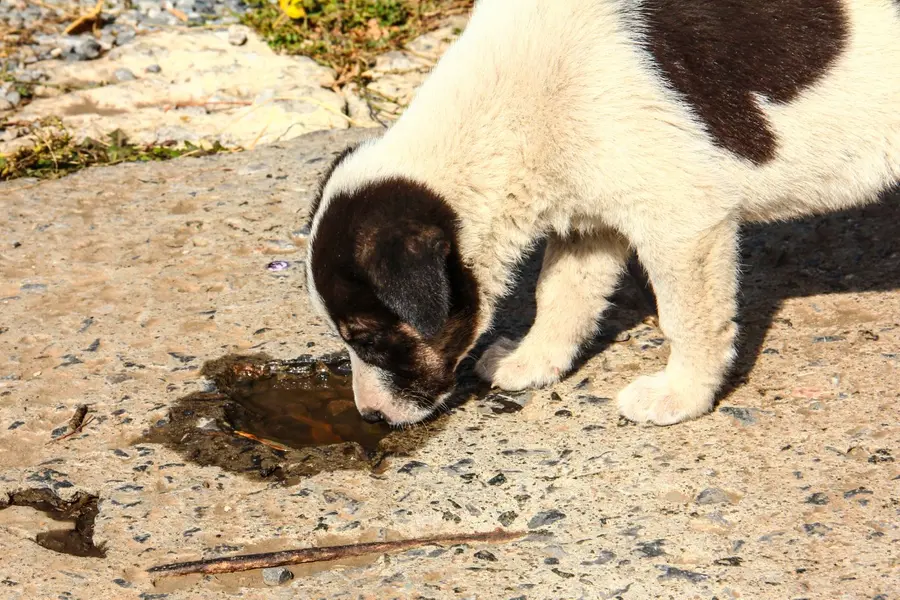
Most of us have adjusted our routines to survive the summer heat. We carry water bottles, avoid stepping out at noon, and keep the fan on all night. The dog sleeping outside your gate has none of those options.
Dogs cool themselves mainly by panting, which works poorly in extreme heat and worse when there's no water or shade nearby. Puppies, old dogs, and sick ones suffer the most.
You don't need a shelter or a big budget to help. A few small habits go a long way.
Keep water out, and keep it fresh
This is the single most useful thing you can do. Put out a bowl of clean water near your gate, shop, or building entrance, and make sure it stays there through the day.
A few things make it work better:
- Choose the right container. Steel bowls left in the sun get hot and the water turns warm. A shallow clay pot or a heavy plastic tub is better, and a heavy one won't get knocked over.
- Keep it in shade. Under a staircase, beside a wall, or under a parked scooter cover all work.
- Refill twice a day. Morning and evening is enough for most spots. Rinse the bowl before refilling, because algae builds up quickly in summer.
- Empty and wash it regularly. Standing water also breeds mosquitoes, so a bowl that's ignored becomes a problem for the whole neighbourhood.
Make a cool place to rest
Dogs will lie wherever the ground feels coolest, and in a heatwave that is often a patch of bare concrete or the underside of a parked car. You can improve their options cheaply.
Also Read: Who decides which dog is dangerous? An open letter and videos question process
Leave a big cardboard box on its side in a shaded corner, or lay a damp jute sack on the floor of a covered spot.
A wet gunny bag stays cool for hours and costs almost nothing. You can also sprinkle water on the ground where dogs usually rest, since wet earth or cement holds coolness better than dry.
If you live in an apartment complex, try not to shoo dogs out of the parking area or from under the stairs. Those are often the coolest spots on the property.
Feed at the right time, and feed the right things
Put food out early in the morning or after sunset, when it's cooler. Dogs that are already overheated often don't want heavy meals, and food left in the sun spoils within hours and draws flies.
Softer, water-rich food is easier on them. Plain rice mixed with a little curd is a popular choice among people who feed strays, and it's gentle on the stomach. Soaked dry dog food works too.
Avoid oily leftovers, very spicy food, and anything with onion, garlic, or chocolate, all of which are bad for dogs. Pick up what's left after an hour or so so it doesn't rot in the heat.
Know the signs of heatstroke and what to do
Heatstroke can come on fast, and knowing the signs lets you act before it turns fatal.
Watch for:
- Very heavy panting or drooling
- Bright red gums or a red tongue
- Weakness, stumbling, or refusing to get up
- Vomiting or collapse
If you spot these, move the dog to shade and wet its body with cool water, focusing on the neck, belly, and paws.
Use cool water, not ice-cold, since a sudden temperature drop can cause its own trouble. Offer small sips if the dog is alert, but never force water into its mouth.
Fan the dog if you can, and get to a vet as soon as possible, because heatstroke needs professional treatment even if the dog seems to recover.
Also Read: What happens to the body during a heatwave? Doctors explain the hidden dangers
A dog in distress can snap out of fear or pain. Approach slowly, and if you're unsure, call a local animal rescue group or a vet for help before handling the dog yourself.
Get your neighbours involved
One person leaving out a water bowl helps a few dogs. A whole lane doing it changes things for every animal in the area.
Talk to your building's residents' association, the security guard, the chai stall owner, or the local shopkeepers.
Most people are willing to keep a bowl outside if someone simply asks, and even happier if it's a shared effort where everyone takes turns refilling.
If some neighbours are uncomfortable with stray dogs, keep the feeding and water spots tidy and away from doorways, which resolves many disputes before they start.
Published: 20 Sept 2026, 03:53 pm IST
ABOUT THE AUTHOR

Related Topics
Disclaimer: Kindly avoid objectionable, derogatory, unlawful and lewd comments, while responding to reports. Such comments are punishable under cyber laws. Please keep away from personal attacks. The opinions expressed here are the personal opinions of readers and not that of Mathrubhumi.