
From heritage porcelain to hand-painted statement pieces, these six chinaware collections prove that the most memorable tables aren't styled overnight—they're curated over time, one beautiful plate at a time.
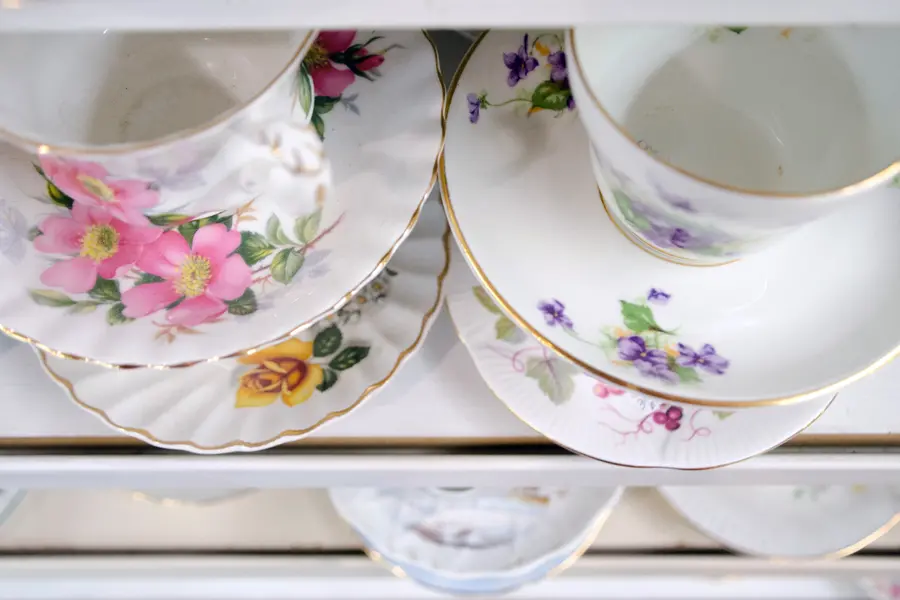
Some tables are set while others are composed. And then there are tables that feel like they’ve been built slowly over time, one plate at a time, until they start to look like memories instead of décor.
Chinaware sits in a quiet space between use and keeping. You eat from it, yes. But you also look at it longer than you need to. You notice it when it’s empty. You think about it even when it’s not on the table.
These are the kinds of sets that do that:
1. Ginori 1735 — Oriente Italiano
The first thing you notice is colour and then there is a lot of it. Ginori 1735 doesn’t believe in holding back. Oriente Italiano uses deep blues, greens, and gold detailing that repeats across every piece like a pattern that refuses to stop.
2. Burleigh — Pink Asiatic Pheasants
Burleigh is quiet in a very specific way. Soft pink florals. Birds moving across the surface. Nothing loud, nothing demanding. Their design doesn't change the atmosphere of a room, but settles into it slowly.
3. Pottery Barn — Kravet Arboretum
The Kravet Arboretum set takes botanical patterns and places them on sturdy stoneware made for regular use. It doesn’t ask for special occasions. It turns ordinary meals into slightly more considered.
4. Oma Living — Wedgewood
Inspired by English summers and delicate wild strawberries, Wedgwood’s iconic dinnerware brings nostalgia to the table. Golden rims, hand-drawn blooms, and countryside references come together in a pattern that feels familiar even at first glance.
5. Vista Alegre — Margão
The Margão collection uses dense blue floral patterns that recall traditional European porcelain influenced by “India Company” designs. It feels like they already exist in the house before you moved in.
6. Les Ottomans — Orterine
Nothing about this set tries to behave. Each plate is hand-painted, and each one looks slightly different. The motifs are busy with plants, colour layered over colour. Placed on a table, it changes the mood immediately. Things stop matching and they fictionally start speaking.
A good chinaware collection is never built in one go. It comes together slowly through different moods, different phases, different choices that don’t always match at first. And eventually, the table stops looking like a set of objects. It starts looking like a timeline.
Published: 18 Jun 2026, 09:58 pm IST
Related Topics
Disclaimer: Kindly avoid objectionable, derogatory, unlawful and lewd comments, while responding to reports. Such comments are punishable under cyber laws. Please keep away from personal attacks. The opinions expressed here are the personal opinions of readers and not that of Mathrubhumi.
