
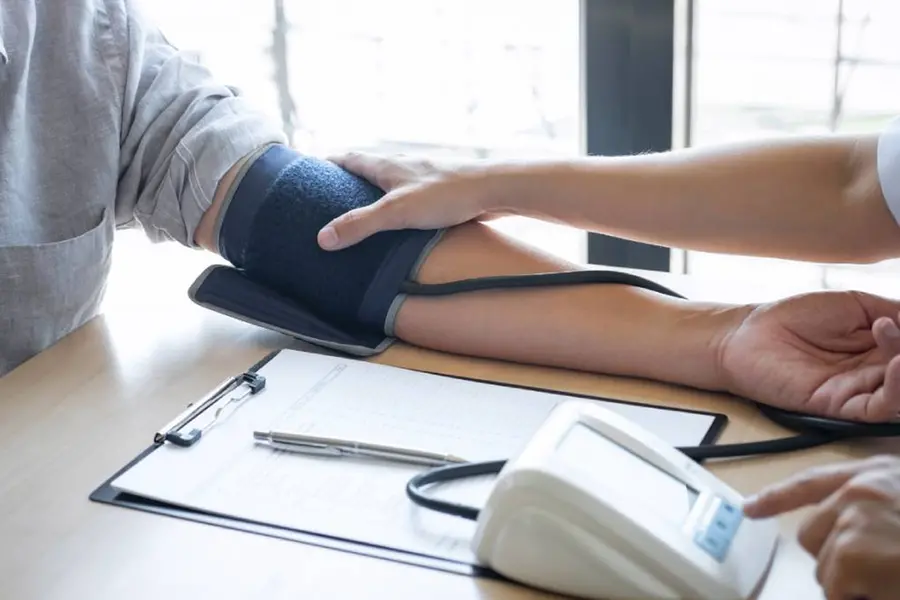
In today’s fast-paced life, long-term health and well-being depend on pragmatic blood pressure management. World Hypertension Day is observed annually on May 17 to increase public awareness of the dangers of high blood pressure and encourage preventative methods to combat this ‘silent killer’.
What is hypertension?
The World Health Organisation (WHO) defines hypertension as a condition when the pressure in one’s blood vessels is too high (140/90 mmHg or higher). As per the WHO, it is quite common but can turn serious if not treated in time.
History
The World Hypertension League (WHL), a non-governmental organisation committed to tackling the worldwide health catastrophe caused by high blood pressure, started observing World Hypertension Day in 2005. The aim is to raise awareness about high blood pressure, a condition affecting over a billion people globally.
Theme of World Hypertension Day 2025
The World Hypertension League (WHL) has selected "Measure Your Blood Pressure Accurately, Control It, Live Longer!" as this year's World Hypertension Day theme. It was selected to increase blood pressure measuring accuracy and increase awareness of high blood pressure, especially in low- and middle-income communities.
Complications of high BP
Heightened risk of atherosclerosis: Atherosclerosis, a disorder marked by the accumulation of fatty deposits in the artery walls, is more likely to occur in people with high blood pressure because it can harm the arteries themselves.
Heart failure: The heart is strained by high blood pressure. As a result, the heart muscle may weaken or stiffen over time and perform less effectively than it should. Slowly, the overburdened heart begins to fail. It can also lead to multiple complications such as heart failure, coronary artery disease, and left ventricular hypertrophy.
Metabolic syndrome: The risk of metabolic syndrome is increased by high blood pressure. This syndrome is a collection of illnesses that can result in diabetes, heart disease, and stroke.
Damage to brain: The health of the brain is greatly impacted by hypertension, or high blood pressure, which raises the risk of certain neurological disorders and cognitive deficits. Strokes, dementia, and cognitive decline can result from long-term high blood pressure that damages the brain's tiny blood arteries.
Damage to eyes, kidneys: High blood pressure, or hypertension, can have detrimental effects on the kidneys and eyes. It may harm the blood vessels in the eyes, which could result in blindness or other visual issues. Hypertension can harm the small blood arteries in the kidneys that filter blood, impairing kidney function and possibly resulting in chronic renal disease.
Ways to combat Hypertension
Constant monitoring: Constant monitoring of BP is indispensable because it usually does not show any symptoms, but can cause serious health conditions. Constant monitoring of hypertension involves regular home blood pressure checks, often using a portable device, and potentially, ambulatory blood pressure monitoring (ABPM).
Consume lots of cucumbers, garlic and tomatoes: During summer, cool cucumbers are excellent for reducing BP. They help relax blood vessels and eliminate excess salt through urine, which is crucial for maintaining normal BP levels. They are low in calories and high in potassium. Juicy summer tomatoes are rich in lycopene, an antioxidant that lowers blood pressure and cuts down the risk of heart disease. Garlic contains a compound called allicin, which also relaxes blood vessels and reduces blood pressure.
Exercise daily: Experts say that regular activity like brisk walking, cycling, swimming, and yoga helps in maintaining blood pressure effectively.
Quit alcohol and smoking: Heavy alcohol users who cut back to average drinking can lower their top number in a blood pressure reading by about 5.5 millimetres of mercury (mm Hg) and their bottom number by about 4 mm Hg. Since smoking exacerbates high blood pressure, quitting is an essential step for those with hypertension. Additionally, smoking in such patients also raises the chance of death and cardiovascular disease.
Get enough sleep: Since sleep deprivation can have a detrimental effect on blood pressure, try to get seven to nine hours of good sleep every night.
Cut back on sodium and salt in your diet: Blood pressure and heart health can be improved by consuming even a small amount less sodium. The impact of sodium on blood pressure differs for different populations. Limit your daily sodium intake to 2,300 mg or less.
Seek medication if needed: If lifestyle modifications are insufficient to reduce your raised blood pressure (e.g., 130/80 mmHg or more), medication may be suggested. However, be mindful of possible drug side effects and talk to your doctor about any worries you may have.
WHO data on hypertension
An estimated 46 per cent of adults with hypertension are unaware that they have the condition.
Approximately 1 in 5 adults (21 per cent) with hypertension have it under control.
Less than half of adults (42 per cent) with hypertension are diagnosed and treated.
An estimated 1.28 billion adults aged 30–79 years worldwide have hypertension, most (two-thirds) living in low- and middle-income countries
Published: 17 May 2025, 08:21 am IST
Related Topics
Disclaimer: Kindly avoid objectionable, derogatory, unlawful and lewd comments, while responding to reports. Such comments are punishable under cyber laws. Please keep away from personal attacks. The opinions expressed here are the personal opinions of readers and not that of Mathrubhumi.
